

Equipment Dealers
Equipment is the largest capital decision a tree company makes, and the dealer is most of what that decision turns on. Two identical chippers from two dealers are not the same purchase: one comes with parts on the shelf and a service van an hour away, the other comes with a phone number. The machine is the easy part.
 Equipment Dealers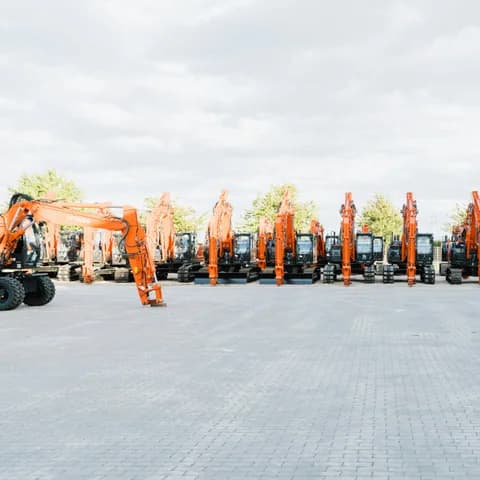
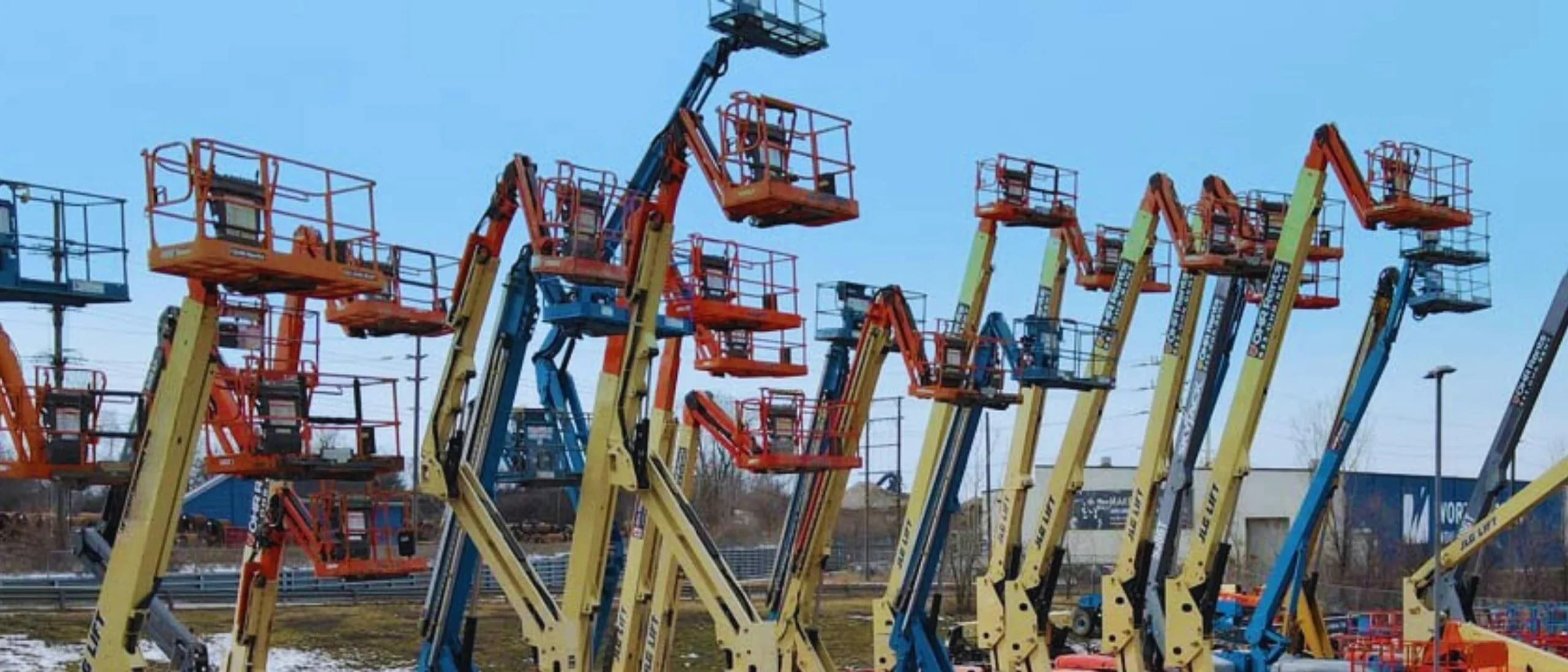
Dealers in this trade cover the whole range — chippers, stump grinders, chip trucks and tipper bodies, loaders and skid steers, aerial lifts and spider lifts, cranes and grapple trucks, mulching heads and attachments — new, used, on rental and on finance, with the parts and service that follow the sale.
On Treelign, dealers are listed by location and service area, searchable by the companies who need them. Listing a dealership puts it in front of tree companies at the moment they are deciding what to buy, which is a considerably better moment than after they have bought elsewhere.
Used and rental matter as much as new. Most growing companies buy used, and most companies rent before they commit — a dealer with a rental fleet is a dealer whose customers try machines properly rather than guessing, and rental-to-purchase is how a large proportion of this equipment is actually sold.
Parts and service availability is what companies quietly judge dealers on. A chipper that is down for a fortnight waiting on a part has cost more than the discount that won the sale, and every company in this trade has learned that at least once.
Finance and trade-in are the other half of the conversation. Equipment is bought against future work, and a dealer who can structure that — and who takes machines in part exchange — is dealing with the practical reality of how tree companies grow.
For dealers, this is a customer base that buys continuously and replaces on a cycle, and one that talks to itself constantly. A listing stating brands, categories, rental availability and service coverage is what puts you in front of the ones who do not already know you.
Dealers set their own service area on Treelign and appear in searches across it, which for a business selling across several states is a far more accurate description than a single showroom address.
What tree companies buy, and when
Chippers and chip trucks first — they are what turns a two-person operation into a crew, and they are replaced on a cycle as hours accumulate. This is the highest-frequency purchase in the trade.
Then stump grinders, loaders and skid steers, as companies stop subcontracting the work they do most often. The trigger is usually a year of hire invoices that add up to a deposit.
Then lifts, cranes and grapple trucks, which are capability purchases rather than replacements — a company buying its first bucket truck is entering a different market, and wants a dealer who understands that.
New, used, rental and finance
Used equipment is the backbone of the trade. Hours, service history and honest disclosure are what make a used sale a repeat customer rather than a one-off, and dealers with a reputation for straight dealing on used machines are the ones companies come back to.
Rental is both a service and a sales channel. Companies rent to cover a busy period, to try a machine before buying, and to take on work they cannot otherwise quote. Rental-to-purchase terms are worth stating plainly.
Finance decides what is affordable. Equipment is bought against future work, and structuring that sensibly — with realistic terms — is a large part of what a good dealer does.
Parts, service and downtime
Downtime is the real cost of ownership. A chipper out of action for a fortnight in the busy season costs more than most discounts are worth, which is why parts availability and service response beat headline price for experienced buyers.
Mobile service and on-site repair are worth advertising if offered. Moving a chip truck or a stump grinder to a workshop is itself a cost and a delay.
Operator training and handover matter more than dealers often assume. A machine used incorrectly for six months arrives back with damage nobody intended, and a proper handover prevents a warranty dispute later.
What to state in a listing
Brands and categories carried, and whether you are an authorised dealer for warranty and service. Companies buying capital equipment want to know where it can be serviced.
Whether you hold used stock, offer rental, and provide finance or part exchange. These three decide whether a growing company can buy from you at all.
Parts availability, service response times, mobile service, and the area you cover. Then hours — crews visit around jobs, not during office hours.
Finding an equipment dealer on Treelign
Search by location and this service to see dealers whose service area covers you. Listings show brands, categories, rental and service coverage, and the area served.
Browsing is public; a free account is needed to message a provider. Prices, finance and terms are agreed directly with the dealer — Treelign carries no payments and takes no commission.
If you are weighing buying against hiring, the equipment services on Treelign are the other half of that comparison: hire the machine with an operator for a season, see how often you actually use it, and let the invoices make the decision for you.
Frequently Asked Questions
What do tree care equipment dealers sell?

Chippers, stump grinders, chip trucks and tipper bodies, loaders and skid steers, aerial and spider lifts, cranes and grapple trucks, plus mulching heads and attachments — new and used, on rental and on finance, with the parts and service that follow the sale.
Should I buy new or used?
Most companies in this trade buy used, and a good dealer makes that safe by being straight about hours and service history. New makes sense where warranty, finance terms and downtime risk matter more than price — typically on the machine your operation cannot run without.
Why does the dealer matter more than the machine?
Because downtime costs more than the discount. Two identical machines from two dealers differ entirely in parts availability and service response, and a chipper waiting a fortnight for a part in the busy season wipes out any saving on the purchase price.
How do I list my dealership?
Create a free account, add Equipment Dealers to your profile, and set the service area you cover. State the brands and categories you carry, whether you hold used stock, offer rental or finance, and what your parts and service response looks like. Companies searching your area will find you and can message you directly.
What is Treelign?
Treelign is a hiring platform built specifically for the tree care industry. Tree service companies post jobs for the positions and equipment they need, and qualified tree professionals nearby are notified and can apply immediately. It connects companies with contract climbers, crane and bucket truck operators, stump grinders, trainers and other specialists — without cold calls or Facebook group posts. Browsing is public; a free account is needed to apply, message a provider, or see a job's exact address.
How is Treelign different from Facebook groups or general job boards?
General job boards and Facebook groups aren't built for tree work. Treelign is structured around the industry's actual positions and equipment, matches by service area, and notifies qualified professionals the moment a job is posted. Instead of broadcasting into a group and hoping the right climber sees it, you reach the people who do that specific work near you — and each service on a job carries its own crew size, so a job can be filled by several providers at once.
Related services

Arborist Supply Stores
Suppliers of climbing and rigging gear, PPE, ropes, saddles, hardware and consumables for tree care crews. Listing one puts a local supplier in front of the companies who need rope, a helmet or a replacement pulley the same day rather than in three.
Chainsaw Shops
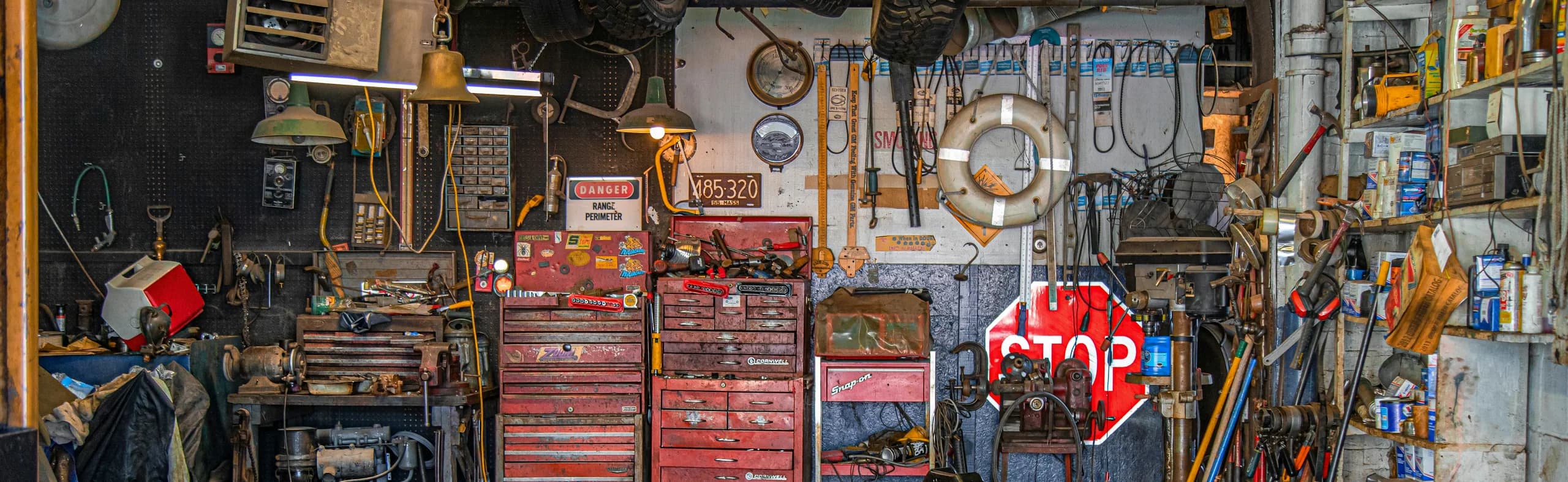
Dealers and service shops for chainsaws and small power equipment — sales, parts, sharpening, carburettor and clutch work, and warranty repair. A saw down mid-week is a crew down mid-week, so proximity and turnaround are what matter here.
Wood-Chip Dump Site
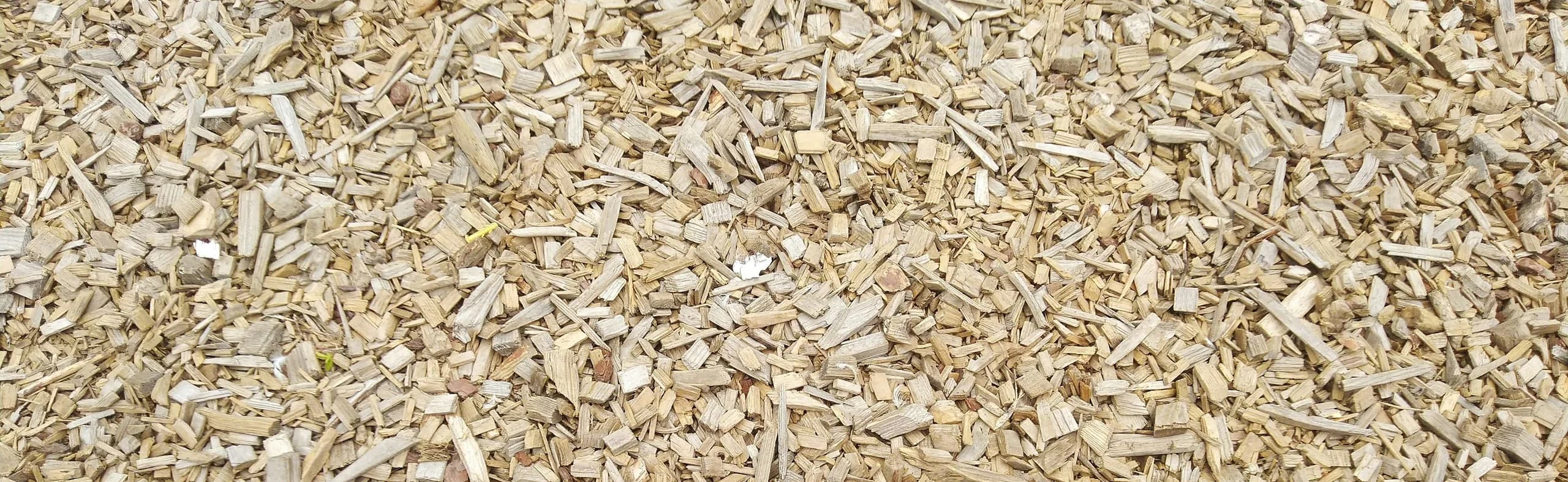
A site that accepts wood chips and brush for tipping — a farm, nursery, landscape yard, composting operation or municipal facility. Chips fill a truck faster than anything else a crew produces, so a nearby tip is what keeps a chipper working instead of driving.
Find Trusted Equipment Dealers
Near You
Questions about Equipment Dealers?
Need help finding the right help for your project? Our team is here to assist with any questions about equipment dealers and specialized services.