

Arborist Supply Stores
An arborist supply store is the difference between a crew working on Tuesday and a crew waiting for a parcel. Rope wears, hardware gets retired, helmets get dropped, chaps get cut, and none of it happens at a convenient moment — it happens on a Monday morning with three jobs booked. A supplier within driving distance is what turns that from a lost day into a detour.
 Arborist Supply Stores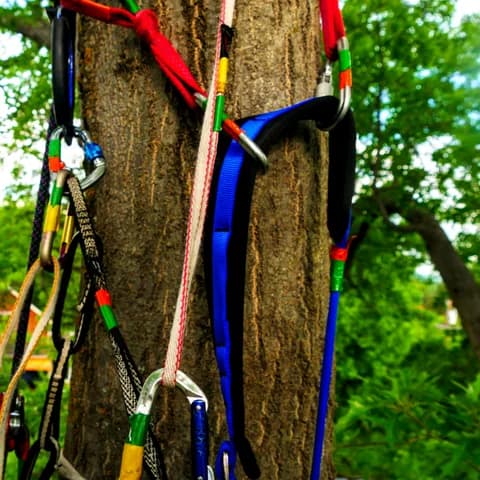
These stores sell what tree work actually runs on: climbing and rigging rope, saddles, lanyards, friction devices, karabiners, pulleys, slings, blocks, throwlines, spikes, helmets, eye and hearing protection, chainsaw trousers and boots, and the consumables that disappear fastest — chain, files, bar oil, wedges, tape.
On Treelign, supply stores are listed the same way services are: by location and service area, searchable by the companies who need them. Listing a store puts it in front of every tree company working nearby, including the ones who currently order everything online and wait.
The specialist knowledge is a genuine part of the offer, and worth saying so. Rope diameter and construction, splice compatibility, hardware ratings, which friction device suits which system — this is not general hardware, and a store with staff who climb is a different proposition from a catalogue.
Inspection and retirement is the other. Ropes, saddles, helmets and hardware all have service lives and damage criteria, and a supplier who will look at a saddle and give an honest answer about whether it should still be in use is doing something no website can.
Stock depth matters more than range. A store that lists the common sizes and holds them is more useful than one with an enormous catalogue and a three-week lead time, because the entire value proposition here is availability today.
For store owners, tree companies are repeat customers with predictable consumption and very little price sensitivity when the alternative is downtime. A listing that states what is stocked, the opening hours and the service area is what puts you in front of the ones who do not yet know you exist.
Providers set their own service area on Treelign and appear in searches across it, so a store that draws trade from a wide region is described by the area it serves rather than by a single address.
What a tree crew buys, and how often

Rope is the constant. Climbing lines, rigging lines, lowering rope and throwlines all wear, glaze and get retired, and a company running several crews goes through it continually rather than occasionally.
PPE is the second stream and is time-limited whether or not it is damaged. Helmets, eye and hearing protection, chainsaw trousers, gloves and boots all have replacement cycles, and a crew running expired kit is a problem waiting for an audit.
Then consumables and hardware: chain, files, bar oil, wedges, karabiners, pulleys, slings and friction devices. Individually small, collectively the reason a crew visits a supplier most weeks rather than most quarters.
Why local still beats mail order
Timing. Kit fails when it is in use, which is to say in the middle of the working week with jobs booked. A supplier an hour away solves that; a two-day delivery does not.
Fit and feel. Saddles, boots and gloves are worn all day, and buying them without trying them is how a company ends up with expensive kit nobody uses. Rope handling is the same — climbers have strong preferences that a specification does not capture.
Advice. Compatibility between hardware, rope and system is not obvious, and getting it wrong is a safety issue rather than an inconvenience. A supplier who knows the answer is worth a premium over a cheaper website.
What to state in a listing
The brands and categories actually held in stock, and the sizes. Depth is the point: 'we stock 11.7mm and 11.5mm climbing line in three lengths' tells a company more than a list of manufacturers.
Services beyond retail — splicing, saddle fitting, chain sharpening and loop making, equipment inspection, warranty handling, and whether trade accounts are available.
Hours, whether there is trade counter service, and the service area you draw from. Tree companies plan around opening times more than most trades, because they buy on the way to a job rather than during office hours.
Inspection, standards and retirement
Life-safety equipment has documented service lives and damage criteria, and companies are expected to keep records. A supplier who can inspect, advise and document is providing something with real value beyond the sale.
Retirement criteria are where companies most often get it wrong — keeping a rope in service because it looks fine, or a helmet because it was expensive. An honest supplier who says no is protecting a customer they want to keep.
Say in your listing whether you offer inspection, and to what standard. It is a differentiator, and it brings companies through the door for something other than a purchase.
Finding a supply store on Treelign
Search by location and this service to see stores whose service area covers where you are working. Listings show what is stocked, what services are offered, and the area served.
Browsing is public; a free account is needed to message a provider. Prices, accounts and terms are agreed directly with the store — Treelign carries no payments and takes no commission.
Chainsaw shops and equipment dealers are listed separately, because they are usually different businesses — saw service and heavy machinery are not the same trade as climbing and rigging gear.
Frequently Asked Questions
What does an arborist supply store sell?

Climbing and rigging rope, saddles, lanyards, friction devices, karabiners, pulleys, blocks and slings, throwlines and spikes, PPE including helmets and chainsaw trousers, and the consumables a crew goes through weekly — chain, files, bar oil, wedges and tape.
Why use a local store rather than ordering online?
Because kit fails mid-week with jobs booked, and a delivery does not fix that. Beyond availability, saddles and boots need fitting, climbers have real preferences about rope handling, and hardware compatibility is a safety question best answered by someone who climbs.
Can a supply store inspect my equipment?
Many can, and it is worth asking. Life-safety equipment has documented service lives and damage criteria, and companies are expected to keep inspection records. Listings state whether inspection, splicing and saddle fitting are offered alongside retail.
How do I list my store?
Create a free account, add Arborist Supply Stores to your profile, and set the service area you draw trade from. State the brands and sizes you actually hold, any services such as splicing or inspection, your hours, and whether trade accounts are available. Crews searching your area will find you and can message you directly.
What is Treelign?
Treelign is a hiring platform built specifically for the tree care industry. Tree service companies post jobs for the positions and equipment they need, and qualified tree professionals nearby are notified and can apply immediately. It connects companies with contract climbers, crane and bucket truck operators, stump grinders, trainers and other specialists — without cold calls or Facebook group posts. Browsing is public; a free account is needed to apply, message a provider, or see a job's exact address.
How is Treelign different from Facebook groups or general job boards?
General job boards and Facebook groups aren't built for tree work. Treelign is structured around the industry's actual positions and equipment, matches by service area, and notifies qualified professionals the moment a job is posted. Instead of broadcasting into a group and hoping the right climber sees it, you reach the people who do that specific work near you — and each service on a job carries its own crew size, so a job can be filled by several providers at once.
Related services
Chainsaw Shops
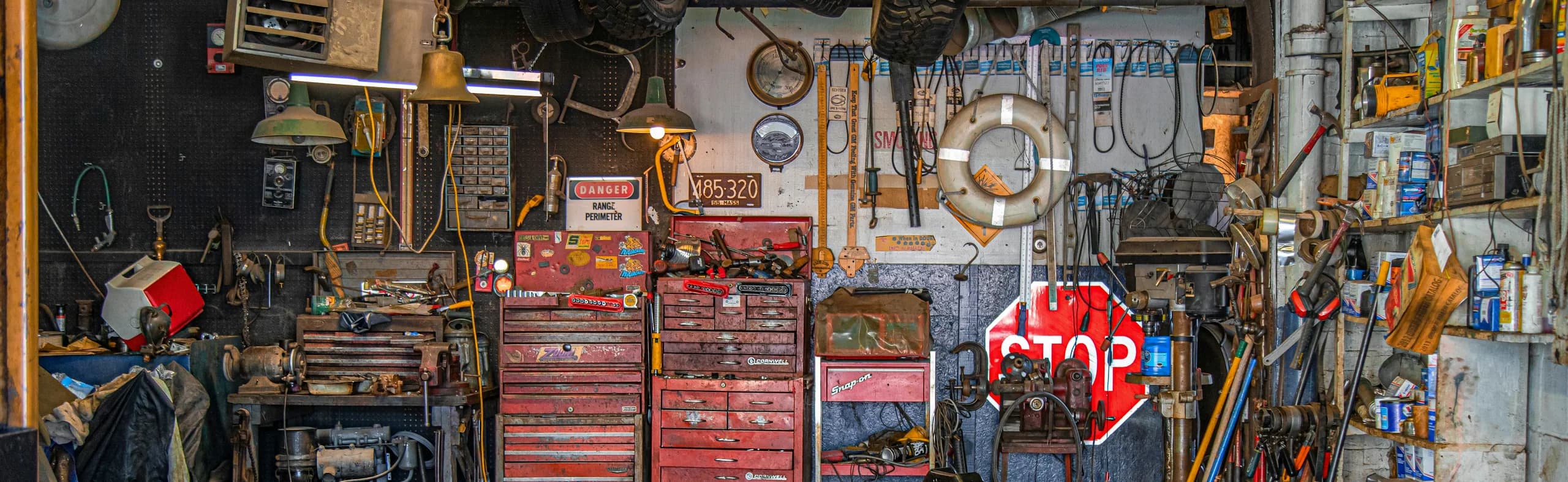
Dealers and service shops for chainsaws and small power equipment — sales, parts, sharpening, carburettor and clutch work, and warranty repair. A saw down mid-week is a crew down mid-week, so proximity and turnaround are what matter here.
Equipment Dealers
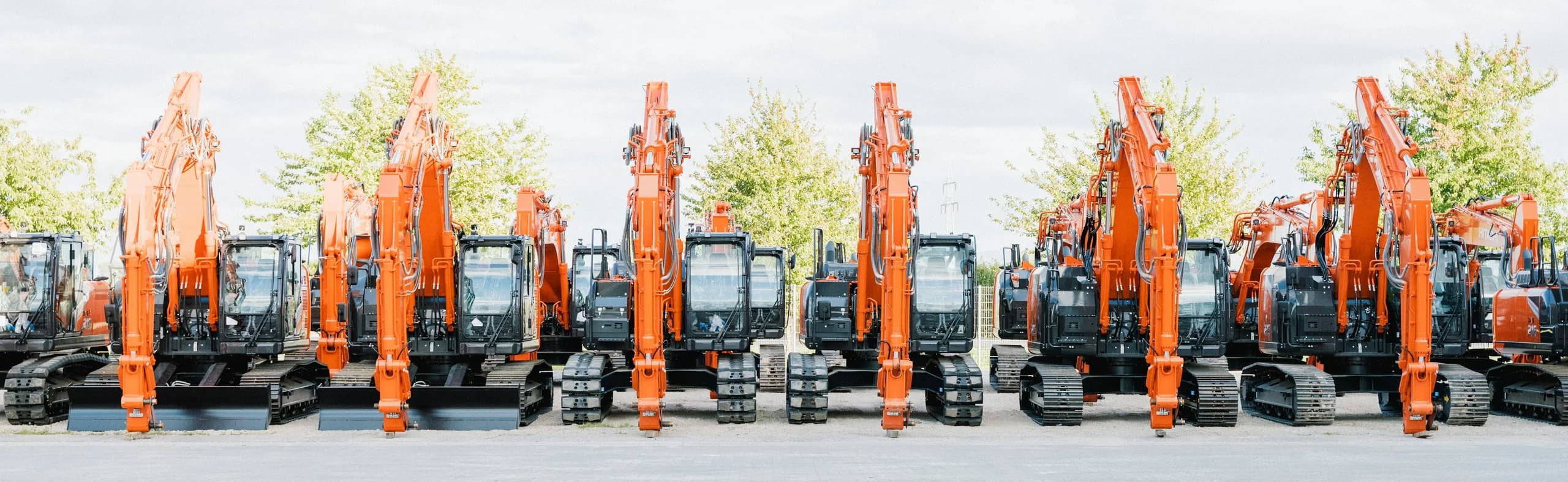
Dealers in the heavy equipment tree care runs on — chippers, stump grinders, chip trucks, loaders, lifts and cranes — new, used, rental and on finance, with the parts and service that follow the sale. Listing one puts a dealer in front of companies at the moment they are deciding what to buy.
Wood-Chip Dump Site
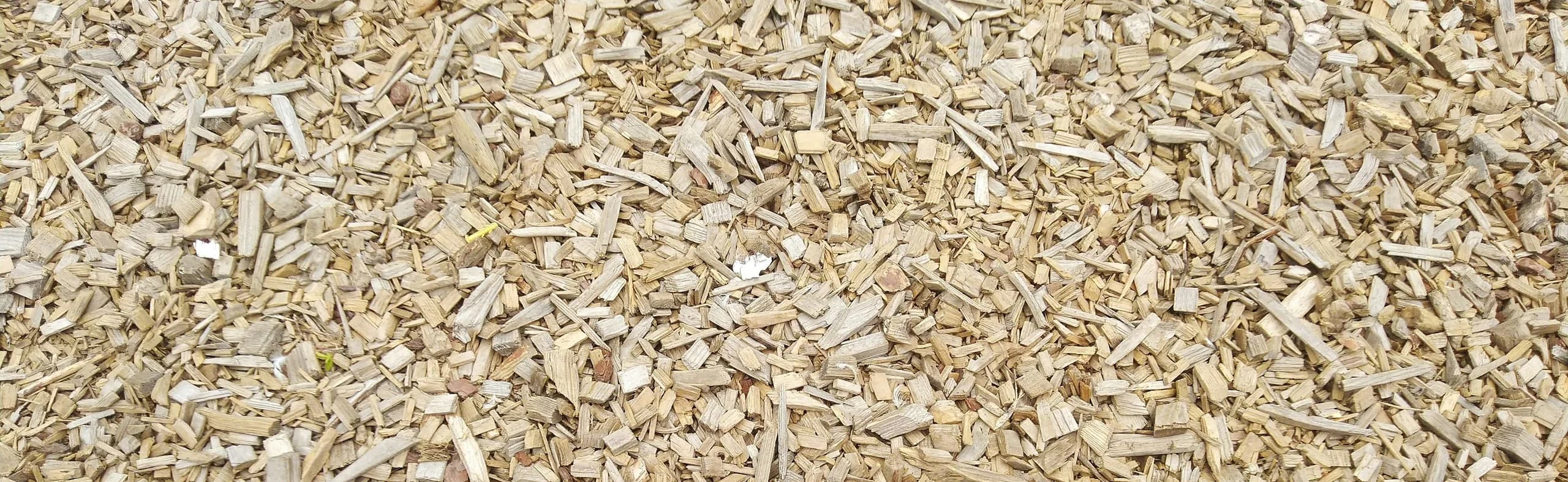
A site that accepts wood chips and brush for tipping — a farm, nursery, landscape yard, composting operation or municipal facility. Chips fill a truck faster than anything else a crew produces, so a nearby tip is what keeps a chipper working instead of driving.
Find Trusted Arborist Supply Stores
Near You
Questions about Arborist Supply Stores?
Need help finding the right help for your project? Our team is here to assist with any questions about arborist supply stores and specialized services.