

Stick Crane with Operator
When a tree has to come out over a house, a conservatory or a neighbour's garage, the question stops being how to cut it and becomes how to hold it. A stick crane — a conventional mobile crane with a telescoping boom, cable and hook — picks each section and carries it clear, so nothing is ever released above the thing you're trying to protect.
 Stick Crane with Operator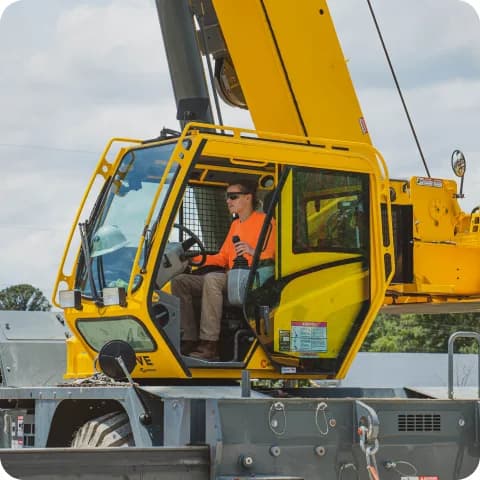
It also changes the economics of a difficult removal. Sections that would have to be rigged down piece by piece over hours can be taken whole in minutes, which is why crane removals are often cheaper than the rigging job they replace despite the machine's day rate.
The variables are reach, capacity at radius, and set-up space. A crane's lifting chart falls away sharply as the boom extends, so the useful question is never 'how big is the crane' but 'what can it pick at the distance it will actually be working'. Post the tree's size and position, the access and the ground conditions, and crane providers within range are notified.
The clearest case for a crane is a removal where nothing can be dropped and nothing can be released: a large tree over a house, a pool, a conservatory, a neighbour's garage, or a garden that cannot take the traffic of a full dismantle. Dead and structurally compromised trees make the case too — a crane lets the climber work from a supported pick rather than trusting the stem.
Judge on capacity at radius, not on tonnage. A crane's rating collapses as the boom extends, so a 40-ton machine working at 90 feet may pick less than a smaller one parked closer. The useful conversation names the set-up point and the pick weight, and any operator worth hiring will want a photograph from where the outriggers will go before quoting.
Cranes are usually a day rate with a mobilisation charge, and a half-day is rarely half the price, since the travel and set-up dominate. Mats, permits and traffic control may be extra. All of it is agreed directly between you and the provider — Treelign carries no money.
For providers, crane removals are the work tree companies most want a reliable partner for, because a bad crane day is a very expensive day. List the machine, its capacity chart in plain terms, your reach, and whether you carry mats — and note if your operator is experienced specifically in tree work, which is a different discipline from construction lifting.
Set-up space limits where a stick crane can work, so a wide service radius is worth having: the jobs that need you are scattered rather than clustered. Travel dates are useful for storm periods, when tree-on-structure work concentrates in one region for weeks.
How a crane removal runs
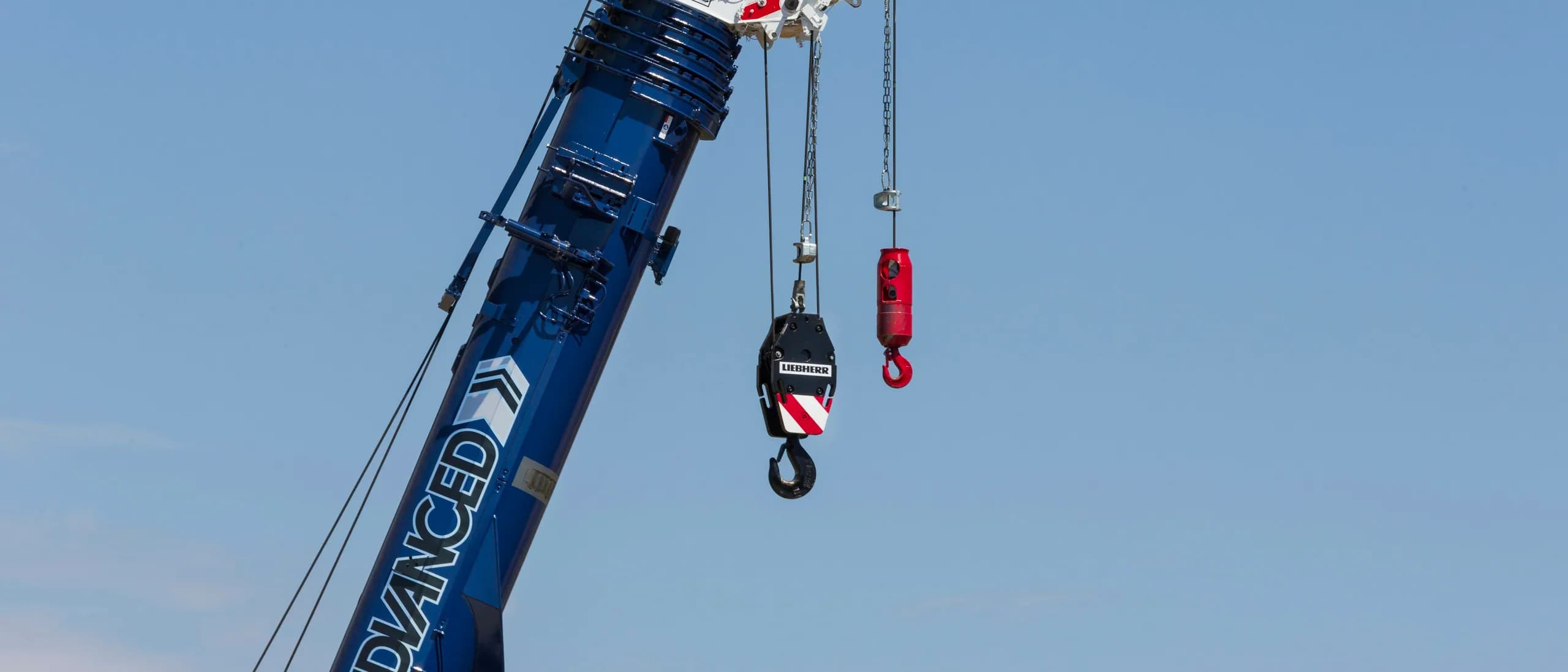
The set-up point is chosen first, and it decides everything else: how far the crane is from the tree, and therefore what it can pick. Outriggers go out onto mats, the machine is levelled, and the lifting chart for that configuration becomes the day's constraint.
A climber then ascends and sets each pick — attaching the sling above the centre of gravity, making the cut, and letting the crane take the weight before the piece is free. The crane never drops anything; it holds the section and swings it clear to a landing zone where the ground crew process it.
That rhythm — set, cut, swing, land, clear — repeats down the tree. It is slower per piece than rigging and dramatically faster overall, because nothing has to be lowered through the canopy and nothing lands where it must not.
Capacity at radius, and why tonnage misleads
A crane rated at 40 tons is rated at minimum radius with the boom retracted. Extend it to reach a tree 90 feet away and the safe pick may be a small fraction of that. The only number that matters is capacity at the radius you will actually work at.
That is why an operator asks for a photograph from the intended set-up point, the distance to the tree, and an estimate of the heaviest section. Anyone quoting without those is quoting a hope.
Ground bearing is the other half. Outrigger loads are concentrated enough to crack a driveway or sink into soft ground, so mats are routine rather than optional, and someone has to check for septic fields, buried services and utility clearances at the set-up point before the day.
What crane work costs
Day rates with a mobilisation charge are standard, and a half day rarely costs half, because travel, set-up and tear-down dominate a short booking. Permits, traffic control and mats may be additional.
The comparison worth making is against the alternative. A removal that would take two climbers three days of technical rigging often takes a crane crew one, with less risk to the structures underneath — which is why crane removals frequently cost less overall despite the machine's day rate.
Everything is agreed directly between you and the provider. Treelign carries no payments and takes no percentage.
When a crane is not the answer
No set-up space, no crane. If the machine cannot get within working radius on ground that will carry it, the reach is irrelevant, and a spider lift or a climbing dismantle is the route.
Overhead conductors near the swing path are a hard stop until the utility is involved. A boom does not need to touch a line to be a fatality.
And for delicate pruning, a crane adds nothing. It is a tool for moving weight, not for making cuts — the climber is still doing the arboriculture.
Hiring a stick crane on Treelign
Post the job with the tree's height and rough trunk diameter, what is underneath it, where the crane can set up and how far that is from the tree, plus ground conditions and overhead obstructions. Crane providers within range are alerted straight away.
Post the climber as a separate service on the same job with its own crew size — the crane comes with its operator, not with someone to set the picks, and the two fill independently.
Rates, mats and permit responsibility are agreed directly with the provider.
Frequently Asked Questions
What information should I include when posting a crane job?

Where the crane can set up and how far that is from the tree, the tree's height and rough trunk diameter, what's underneath it, ground conditions and overhead obstructions, and any access restrictions. Capacity at radius is what matters — a photo from the intended set-up point tells a crane operator more than a paragraph.
Stick crane or knuckleboom — which do I need?
A stick crane's telescoping boom and cable give greater reach and height, which suits picking whole sections out of tall trees over structures. A knuckleboom articulates and usually carries a grapple, which suits handling and loading material efficiently. Tall and delicate tends toward stick; loading and material handling tends toward knuckleboom.
Does the crane come with a climber?
No — the service is the crane and its operator. Someone still has to be in the tree setting picks, and that's usually a climber posted as a separate service on the same job. Post both with their own crew sizes and each fills independently.
What about ground protection and set-up?
Outrigger loads are concentrated and can crack driveways or sink into soft ground, so mats or pads are often needed. Agree who's supplying them, and check for underground services, septic fields and utility clearances at the set-up point before the day rather than on it.
What is Treelign?
Treelign is a hiring platform built specifically for the tree care industry. Tree service companies post jobs for the positions and equipment they need, and qualified tree professionals nearby are notified and can apply immediately. It connects companies with contract climbers, crane and bucket truck operators, stump grinders, trainers and other specialists — without cold calls or Facebook group posts. Browsing is public; a free account is needed to apply, message a provider, or see a job's exact address.
How is Treelign different from Facebook groups or general job boards?
General job boards and Facebook groups aren't built for tree work. Treelign is structured around the industry's actual positions and equipment, matches by service area, and notifies qualified professionals the moment a job is posted. Instead of broadcasting into a group and hoping the right climber sees it, you reach the people who do that specific work near you — and each service on a job carries its own crew size, so a job can be filled by several providers at once.
Related services
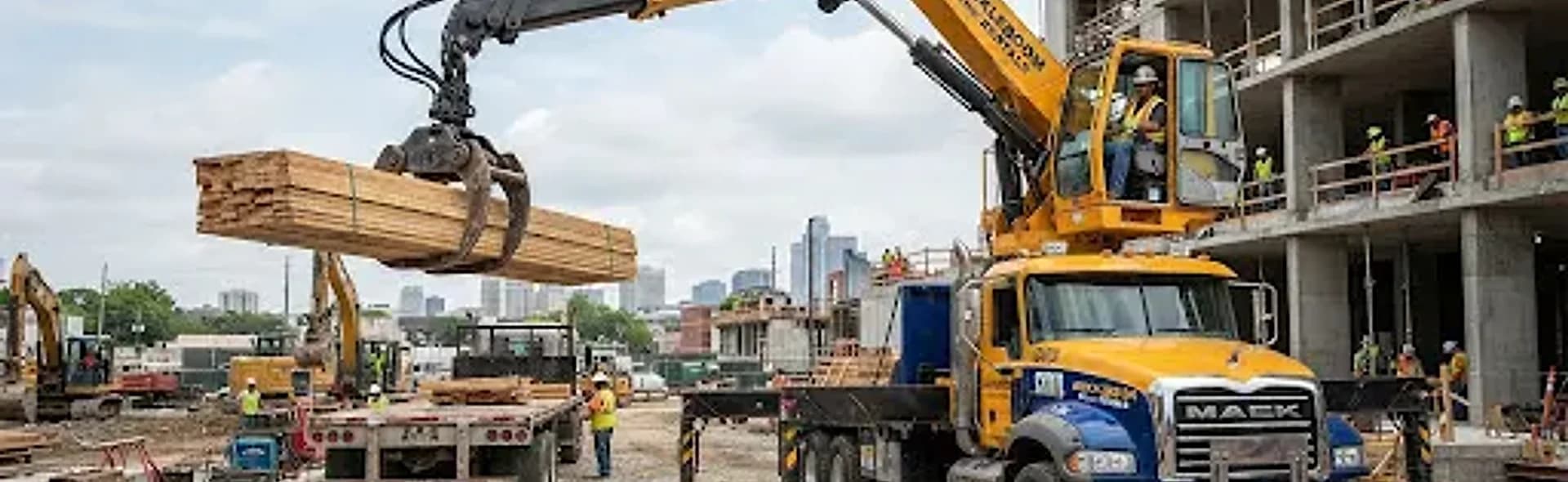
Knuckleboom Crane with Operator
A truck-mounted crane with an articulating hydraulic boom that bends at multiple points for material handling, lifting, and loading. Knuckleboom cranes may be equipped with a grapple or grapple saw and are commonly used to remove, handle, load, and transport tree sections. This service includes the crane and a qualified operator.
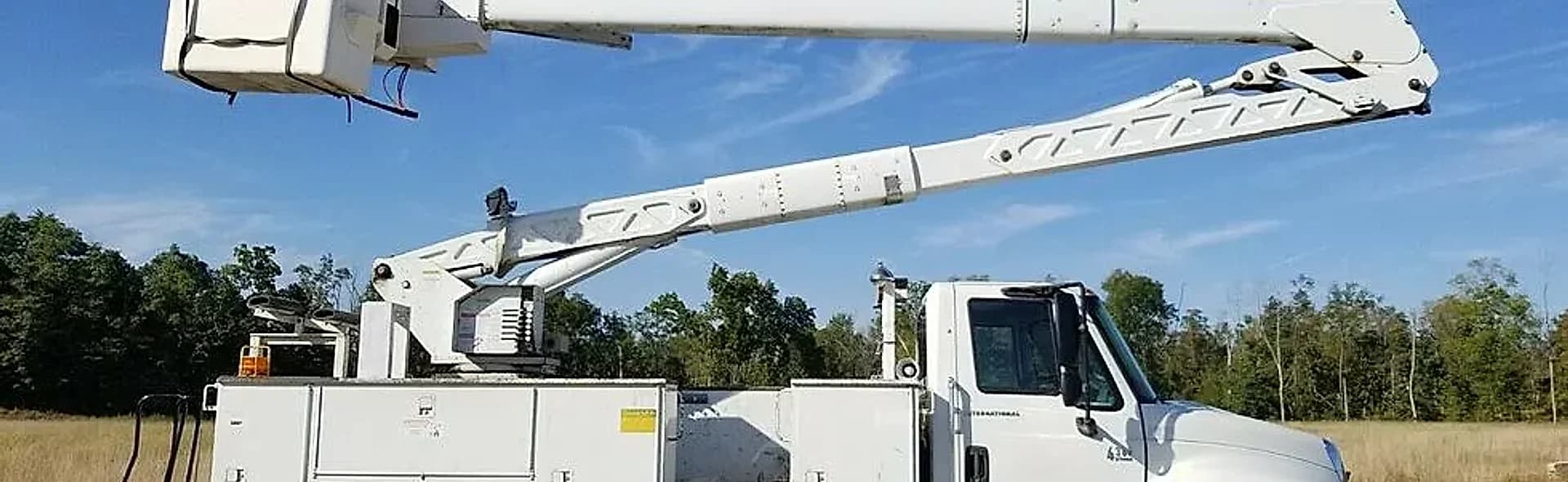
Bucket Truck with Operator
A truck-mounted aerial lift with an elevated personnel platform used to position an arborist within the tree canopy. Bucket trucks are commonly used for pruning, removals, utility clearance, and other aerial tree work where the tree can be accessed from a roadway or suitable driving surface. This service includes the bucket truck and a qualified operator.
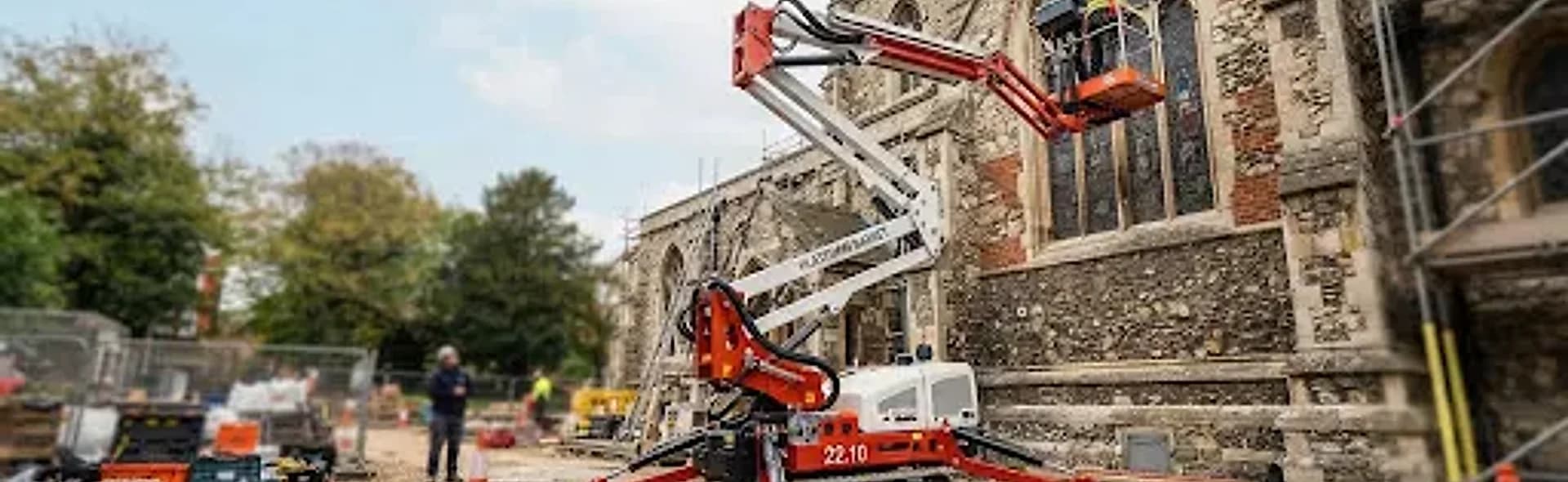
Spider Lift with Operator
A compact, tracked aerial lift with outriggers designed to travel through narrow-access areas and operate on lawns, slopes, and sensitive terrain. Spider lifts provide elevated access in locations conventional bucket trucks cannot reach. This service includes the lift and a qualified operator.

Tree Handler with Operator
A purpose-built tree-handling machine — a telehandler or knuckleboom-equipped carrier fitted with a grapple saw or grapple head — used to cut, hold and place tree sections without a climber in the tree. This service includes the machine and a qualified operator.
Find Trusted Stick Crane with Operator
Near You
Questions about Stick Crane with Operator?
Need help finding the right help for your project? Our team is here to assist with any questions about stick crane with operator and specialized services.