
Tree Handler with Operator
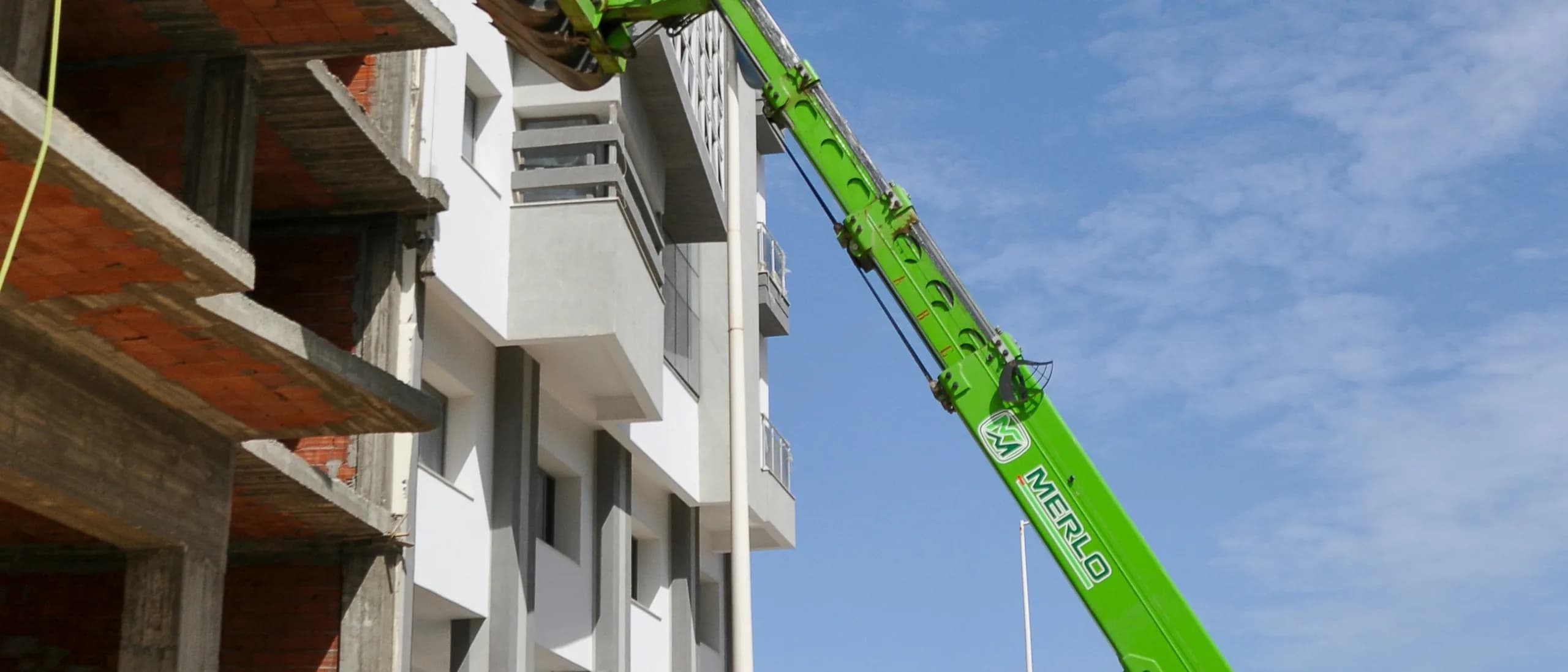
A tree handler is a machine built to take a tree apart without putting a person in it. A carrier — a telehandler, a knuckleboom-equipped truck or a purpose-built tracked unit — carries a grapple or a grapple saw on the end of a boom, and the operator grips a section, cuts it, and places it exactly where it needs to go, all from the ground.
 Tree Handler with Operator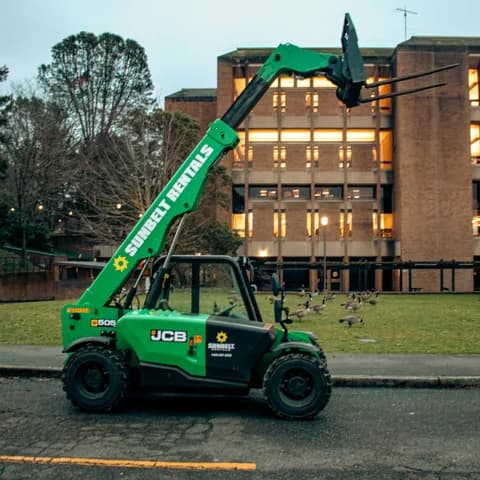
That changes the risk calculation on a whole category of work. Storm-damaged trees under load, decayed stems nobody should climb, roadside removals over live traffic, and trees near conductors are all jobs where the traditional answer was a climber accepting the risk. A machine that can hold and cut from a distance removes the person from the hazard entirely.
On Treelign, tree handler work is offered by companies and owner-operators who set their own service radius and rates. Post the job with the tree, the access and the drop zone, and operators covering your area are notified and can apply. Terms are agreed directly between you and them — Treelign carries no payments and takes no cut.
It is also fast, which is the commercial argument. Where a climbing dismantle rigs each piece down individually, a grapple saw takes a section, cuts it, swings it clear and drops it on the pile in one movement, then goes back for the next. On a big roadside removal that can be the difference between a full lane closure for a day and one for a morning.
The machine's reach and lift chart set what is possible. Height matters, but so does how much it can hold at that height and at that radius — a boom that reaches sixty feet may only hold a modest section there. Describe the tree honestly: species, diameter, height, lean, decay and what is underneath it.
Placement is the underrated part. Because the operator controls the piece from cut to landing, material can be stacked where the chipper or grapple truck actually is instead of scattered across a garden. Cleanup is faster on a machine job for that reason alone.
For machine owners, this is specialist work at specialist rates and the market is nowhere near saturated. Most tree companies cannot justify owning one, so they subcontract — a profile listing carrier type, reach, lift capacity and the head you run is what puts you in front of them.
Providers set their own service radius and can add travel dates for work away from home, appearing in searches at that destination for the services they have brought. After a major storm, that is how a machine reaches the region that needs it before the local ones are booked out.
When a tree handler is the right call
Hazardous trees first. Decayed, hollow, split or storm-loaded stems that no climber should be tied into, and no bucket should be parked under. If the honest assessment is that the tree cannot be trusted to hold a person, this is the machine that answers it.
Roadside and utility work second. Traffic management is expensive by the hour, and a machine that halves the working time halves the closure. Working clear of conductors from a distance rather than beside them changes the risk profile too.
Volume third. On a run of large removals, a grapple saw simply produces more finished trees per day than a climbing crew, and it does it without three climbers being exhausted by Wednesday.
Reach, lift and reading the load chart
Every boom machine trades reach against capacity. The number that matters is not maximum height but how much the machine can safely hold at the radius your tree actually sits at — a figure the operator reads off a chart, not off a brochure.
Set-up position decides the radius. A machine that can park close works within a much stronger part of its chart than one stuck behind a wall or a garden, so where the carrier can stand is one of the first things to establish.
Give the operator diameter at the cuts they will make, total height, lean, and what is beneath — a conservatory, a fence, a neighbour's driveway. They will plan the sequence from that, and the honest version produces a better plan than the optimistic one.
Access, ground and set-up
These are heavy machines. Tracked carriers spread the load and travel over rough ground; truck-mounted units need firm standing and outrigger pads with something solid underneath. Drains, soakaways, cellars and septic tanks are the things that fail under an outrigger.
Overhead clearance on the approach is as important as width. A machine that fits the gateway but not the branches over the drive still cannot get to the tree.
Say where material can be stacked and where the chipper and truck will stand. Because the operator places every piece deliberately, knowing the destination before the first cut is what makes the job efficient rather than merely safe.
What tree handler hire costs
Day rates with the operator included are usual, and they sit at the higher end of equipment hire because the machines are expensive and the operators are specialists. Mobilisation is charged separately and can be significant.
Compare it against the alternative rather than against a cheaper machine. Two or three climbers for two days, plus rigging, plus traffic management, plus the risk on a tree nobody wants to climb, is frequently more expensive than a machine that clears it in a morning.
Rates and terms are agreed directly with the provider. Treelign carries no payments and takes no commission — settle rate, hours, mobilisation and the position on ground protection before the machine is booked.
Hiring a tree handler on Treelign
Post the job with the trees, their diameter and height, the lean and condition, where the machine can set up, and what is underneath. Operators whose radius covers you are alerted immediately and can apply.
Each service on a job carries its own crew size, so a tree handler can be hired alongside ground support, a chipper and hauling on the same job, each service filling independently.
This pairs naturally with a knuckleboom crane and a grapple truck — the machine dismantles, the truck loads, and the ground crew keeps the drop zone clear. Post each as its own service and the whole operation staffs at once.
Frequently Asked Questions
What is a tree handler?

A carrier — telehandler, knuckleboom truck or purpose-built tracked machine — fitted with a grapple or grapple saw on a boom, so the operator can grip a section of tree, cut it and place it from the ground. It is remote dismantling: the machine goes where a climber otherwise would.
When is it better than a climber?
When the tree cannot be trusted, when the surroundings are the hazard, or when the volume justifies it. Decayed and storm-loaded stems, roadside removals over live traffic, work near conductors, and long runs of large removals are the clear cases. A sound tree in an open garden is usually still quicker with a climber.
How much room does the machine need?
Enough to get in and enough to set up safely — width and overhead clearance on the approach, firm standing for outriggers or tracks, and no drains, cellars or soakaways under the set-up point. The closer it can park to the tree, the more it can lift, so set-up position is worth discussing before the day.
Does it cost more than a climbing crew?
Per day, usually. Per tree, often not. Weigh it against two or three climbers for two days plus rigging, traffic management and the risk on a stem nobody wants to climb — on hazardous and roadside work the machine frequently comes out cheaper as well as safer.
What is Treelign?
Treelign is a hiring platform built specifically for the tree care industry. Tree service companies post jobs for the positions and equipment they need, and qualified tree professionals nearby are notified and can apply immediately. It connects companies with contract climbers, crane and bucket truck operators, stump grinders, trainers and other specialists — without cold calls or Facebook group posts. Browsing is public; a free account is needed to apply, message a provider, or see a job's exact address.
How is Treelign different from Facebook groups or general job boards?
General job boards and Facebook groups aren't built for tree work. Treelign is structured around the industry's actual positions and equipment, matches by service area, and notifies qualified professionals the moment a job is posted. Instead of broadcasting into a group and hoping the right climber sees it, you reach the people who do that specific work near you — and each service on a job carries its own crew size, so a job can be filled by several providers at once.
Related services
Stick Crane with Operator
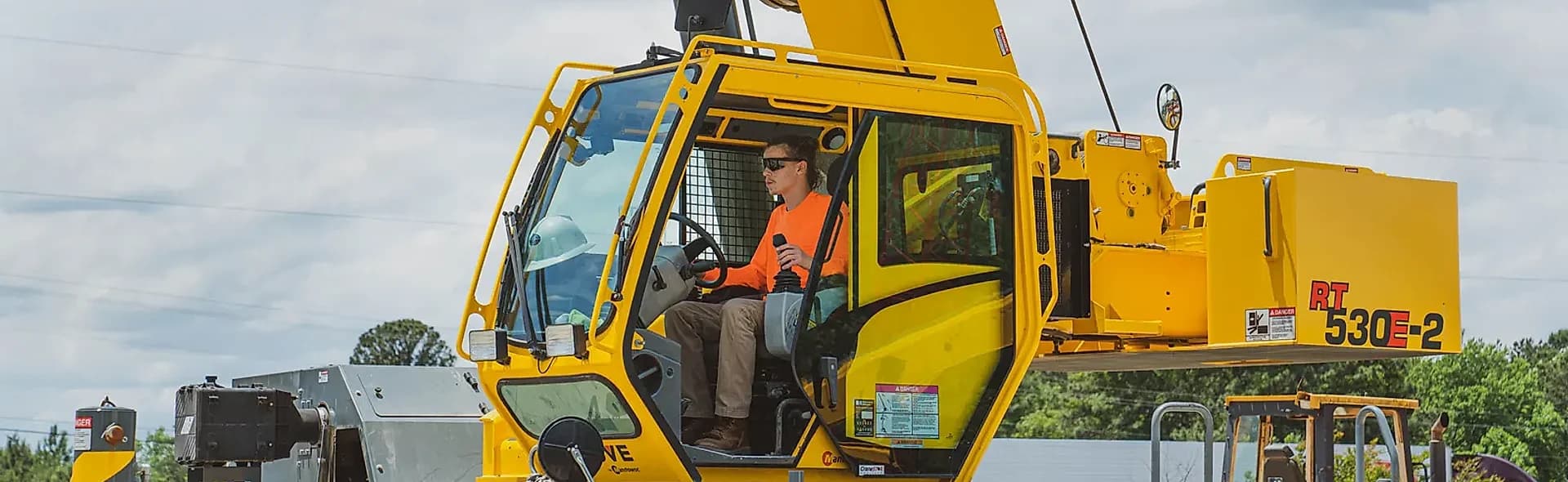
A conventional mobile crane with a telescoping boom that uses a cable, winch, and hook to lift and lower tree sections. Stick cranes are commonly used when large limbs or trunk sections must be lifted over structures or other obstacles. This service includes the crane and a qualified operator.
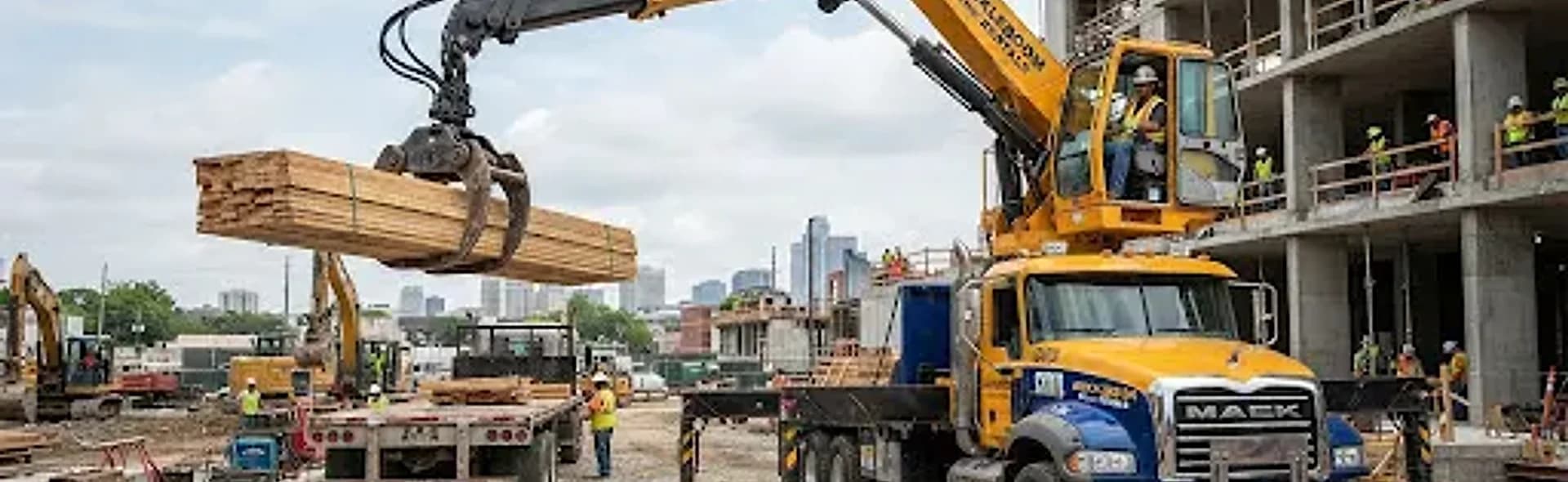
Knuckleboom Crane with Operator
A truck-mounted crane with an articulating hydraulic boom that bends at multiple points for material handling, lifting, and loading. Knuckleboom cranes may be equipped with a grapple or grapple saw and are commonly used to remove, handle, load, and transport tree sections. This service includes the crane and a qualified operator.
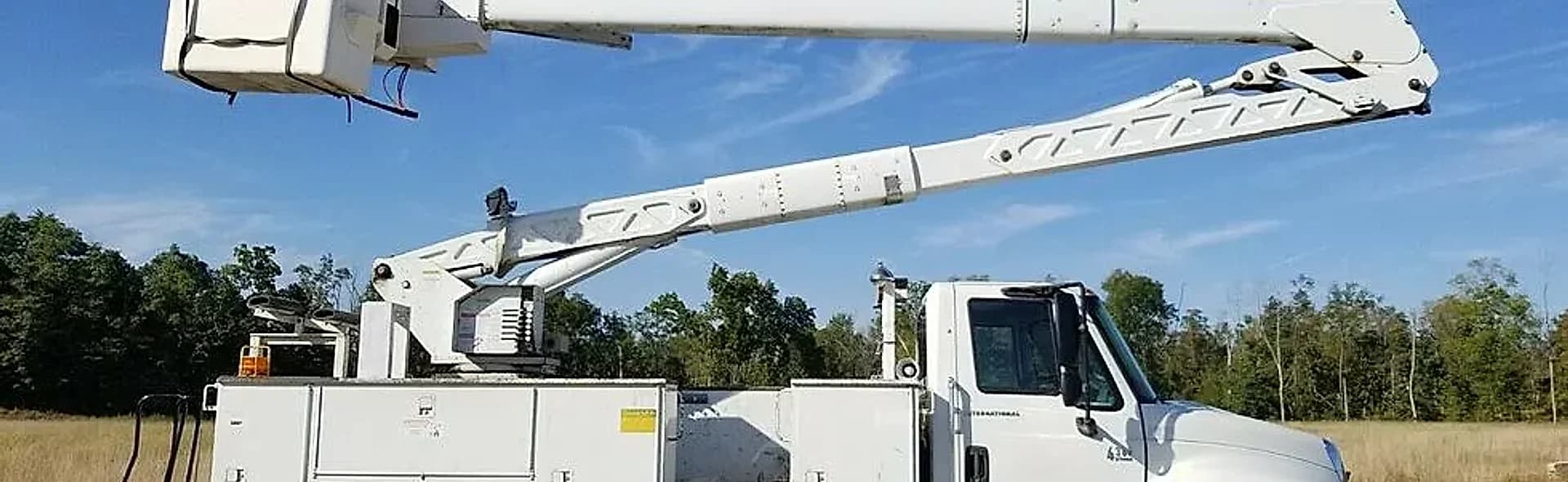
Bucket Truck with Operator
A truck-mounted aerial lift with an elevated personnel platform used to position an arborist within the tree canopy. Bucket trucks are commonly used for pruning, removals, utility clearance, and other aerial tree work where the tree can be accessed from a roadway or suitable driving surface. This service includes the bucket truck and a qualified operator.
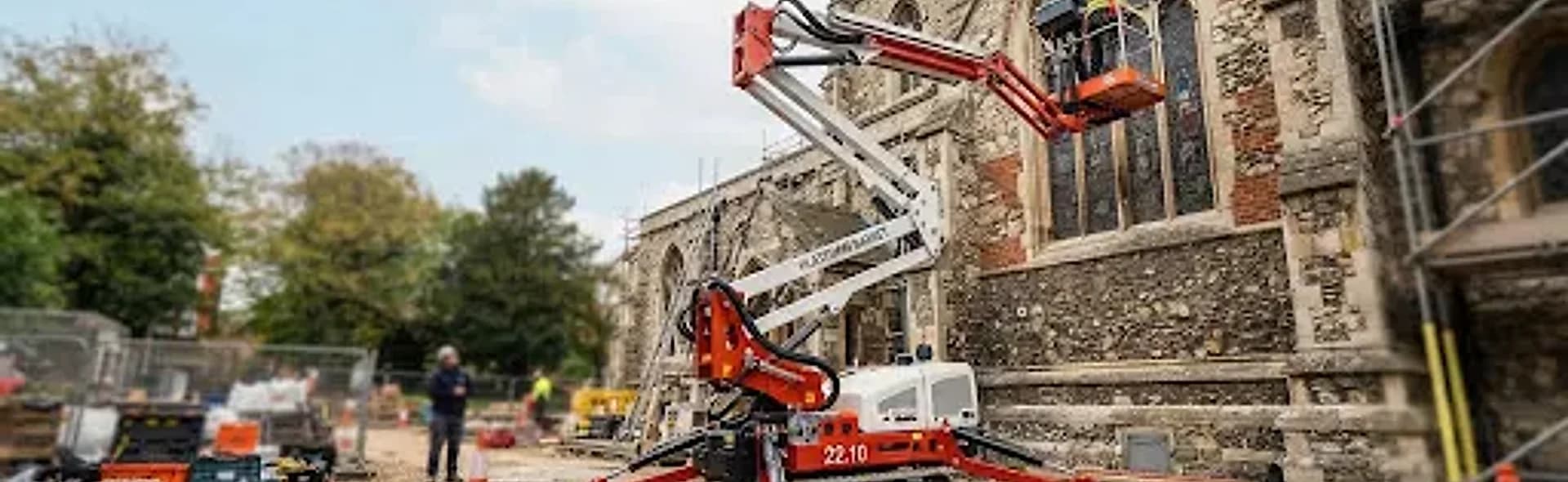
Spider Lift with Operator
A compact, tracked aerial lift with outriggers designed to travel through narrow-access areas and operate on lawns, slopes, and sensitive terrain. Spider lifts provide elevated access in locations conventional bucket trucks cannot reach. This service includes the lift and a qualified operator.
Find Trusted Tree Handler with Operator
Near You
Questions about Tree Handler with Operator?
Need help finding the right help for your project? Our team is here to assist with any questions about tree handler with operator and specialized services.