

Wood Chipper with Operator
Chipping is usually the bottleneck. A crew can cut brush faster than one chipper can eat it, and on a big removal or a storm job the pile grows all day while the machine works through it. Bringing in a second chipper with an operator doesn't just add capacity — it stops the whole crew waiting on one machine.
 Wood Chipper with Operator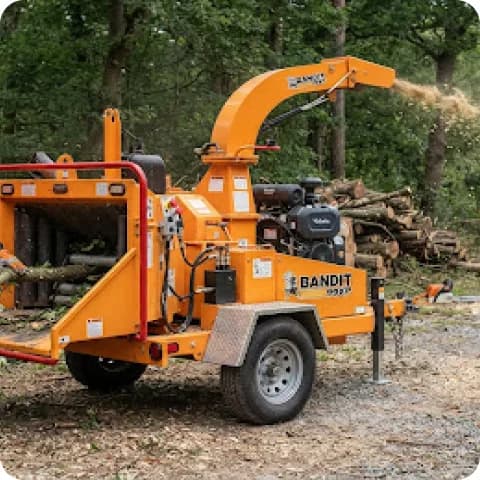
It also covers the days when the yard's chipper is in for repair, or when the job is bigger than the machine you own. Chippers are rated by capacity, and feeding oversized material into an undersized machine is slow at best and dangerous at worst.
Post the job with the volume, the largest material you're feeding, and where the chipper can be positioned, and providers whose radius covers you are notified. Say whether chip is going into a truck, being blown on site or left as a pile — it changes what machine suits.
The clearest sign you need a second chipper is a brush pile that grows all day. On a large removal, storm cleanup, or a run of pruning across a site, one machine sets the pace for the whole crew — and a crew standing at a full chute is the most expensive kind of waiting there is.
Size it to your largest material, not your average. Feeding 9-inch limbs into a 6-inch machine means the crew cuts everything down to suit, which costs more time than the bigger chipper costs money. Ask about capacity, whether the machine is winch-equipped for heavy butt sections, and how the chip is discharged.
Chippers come with an operator and are usually a day rate, sometimes a half-day for smaller jobs. Where the chip goes affects the price: blown on site is cheapest, into a truck is standard, hauled away adds disposal. Terms are agreed directly with the provider.
For providers, chipping capacity is the most commonly rented piece of equipment in tree care, because every company occasionally has more brush than machine. List the capacity, whether you have a winch, whether you bring a chip truck, and whether you'll take the chip away — companies filter on exactly that.
Chippers trailer easily, so a wide service radius is realistic. After storms, brush volume in one region can outrun every chipper in it for weeks; travel dates put you in searches there for as long as you're working.
Why chipping is usually the bottleneck
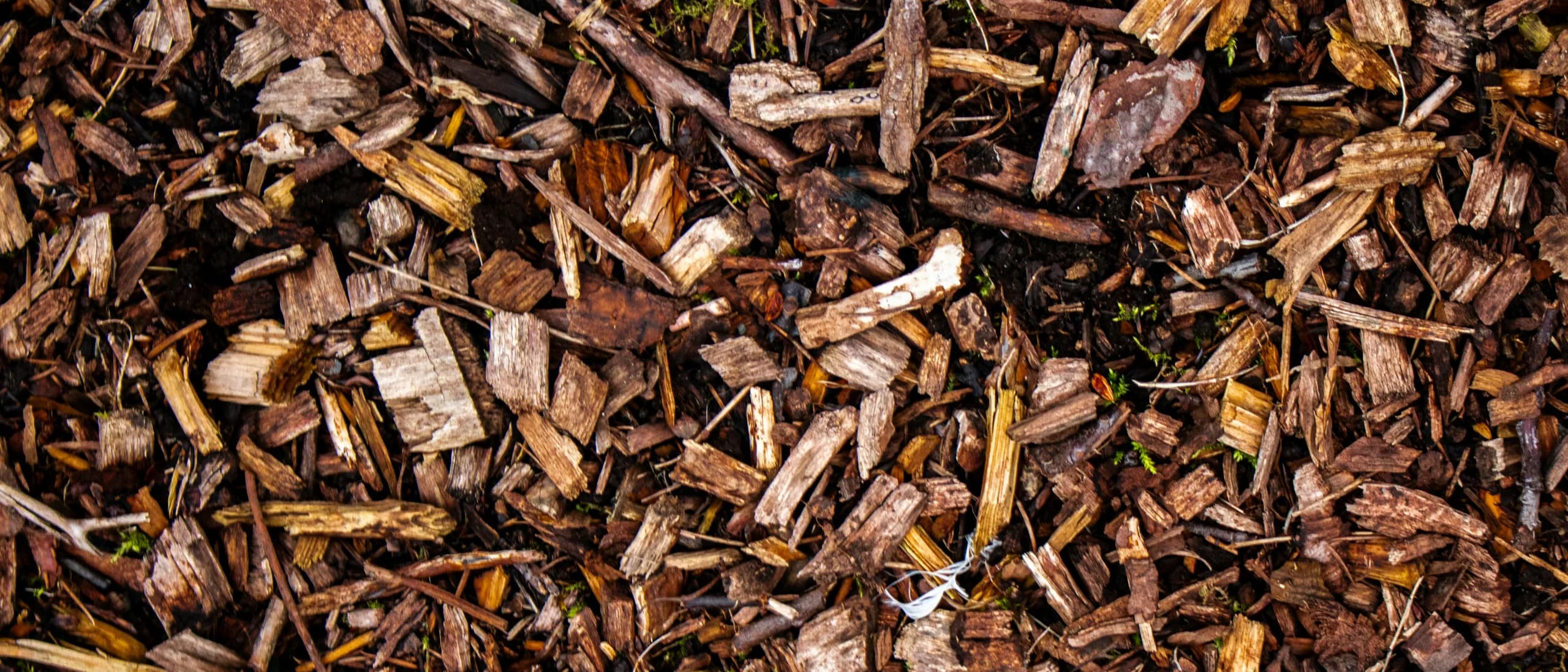
A climber and two ground crew can cut brush faster than one chipper can process it. On a large removal the pile grows all morning, and by afternoon the crew is working around a heap that has nowhere to go. Adding a second machine does not just add capacity — it stops everyone waiting on one chute.
The other case is simpler: your machine is in for repair, or the job is bigger than the chipper you own. Feeding oversized limbs into an undersized machine means cutting everything down to suit, which costs more hours than the larger machine costs money.
On storm work the arithmetic changes again. Brush volume across a region can exceed every chipper in it for weeks, which is why chipping capacity travels after major events.
Capacity, winches and where the chip goes
Size the machine to the largest material you will feed, not the average. Capacity is quoted as a diameter, and it is a comfortable working figure rather than an absolute limit — a 12-inch machine handles 12-inch material steadily and 14-inch material badly.
A winch changes what a crew can do alone. Heavy butt sections and long limbs that three people would struggle to lift can be pulled to the chute by one, which on a big removal is a meaningful share of the day.
Decide where the chip goes before the machine arrives: blown on site, into a chip truck, or into a container. Each needs different equipment, and a customer who agreed to keep the chip rarely pictured how much of it there would be.
What chipper hire costs
Day rates including the operator, with half days available for smaller jobs. Mobilisation applies beyond the provider's usual radius, though chippers trailer easily so that radius tends to be generous.
Where the chip goes affects the price: blown on site is cheapest, into a truck is standard, hauled away adds disposal cost. Get that settled up front.
Rates are agreed directly with the provider. Treelign handles no payments and takes no cut.
Safety, and the mistakes that matter
Chippers cause some of the worst injuries in this industry, and almost all of them involve the feed. A provider who explains their feeding practice unprompted is one who takes it seriously; one who feeds short pieces by hand rather than with a longer limb is not.
The second common error is under-specifying the machine and then forcing it. A stalled, jammed chipper on a busy site tempts exactly the shortcuts that hurt people.
The third is treating the operator as a spare pair of hands. If you also need brush dragged to the machine, post ground support as its own service — an operator pulled away from the chute is a chipper standing idle.
Hiring a wood chipper on Treelign
Post the job with the volume, the largest material you will feed, where the machine can be positioned and where the chip is going. Providers within range are alerted immediately.
Profiles list capacity, whether the machine is winch-equipped, whether a chip truck comes with it and whether the provider will take the chip away — which is most of the match made before anyone messages.
Add ground support or hauling as separate services on the same job; each fills independently. Rates are agreed directly with the provider.
Frequently Asked Questions
What size chipper do I need?

It follows the largest diameter you'll feed. A 6-inch machine chokes on 9-inch limbs and the crew ends up cutting material down to suit, which wastes more time than the bigger machine costs. State your largest material when you post rather than asking for 'a chipper'.
Where do the chips go?
Into a chip truck, blown into a pile on site, or into a container — decide before the day. If the chip is leaving site, you may also need hauling; if it's staying, agree exactly where it's going and check the customer actually wants it, because a large pile of chip is a long-lasting decision.
Is this useful for land clearing?
For moderate volumes, yes. For clearing acreage, forestry mulching is usually the better tool — it grinds standing vegetation in place instead of feeding cut material through a chute. Chipping suits removals, pruning arisings and storm cleanup where material is already cut.
Does the operator handle feeding the chipper?
The service includes the machine and a qualified operator, and feeding safely is part of running one. Whether they also drag brush to it depends on the arrangement — if you want additional hands, post ground support as its own service with its own crew size.
What is Treelign?
Treelign is a hiring platform built specifically for the tree care industry. Tree service companies post jobs for the positions and equipment they need, and qualified tree professionals nearby are notified and can apply immediately. It connects companies with contract climbers, crane and bucket truck operators, stump grinders, trainers and other specialists — without cold calls or Facebook group posts. Browsing is public; a free account is needed to apply, message a provider, or see a job's exact address.
How is Treelign different from Facebook groups or general job boards?
General job boards and Facebook groups aren't built for tree work. Treelign is structured around the industry's actual positions and equipment, matches by service area, and notifies qualified professionals the moment a job is posted. Instead of broadcasting into a group and hoping the right climber sees it, you reach the people who do that specific work near you — and each service on a job carries its own crew size, so a job can be filled by several providers at once.
Related services
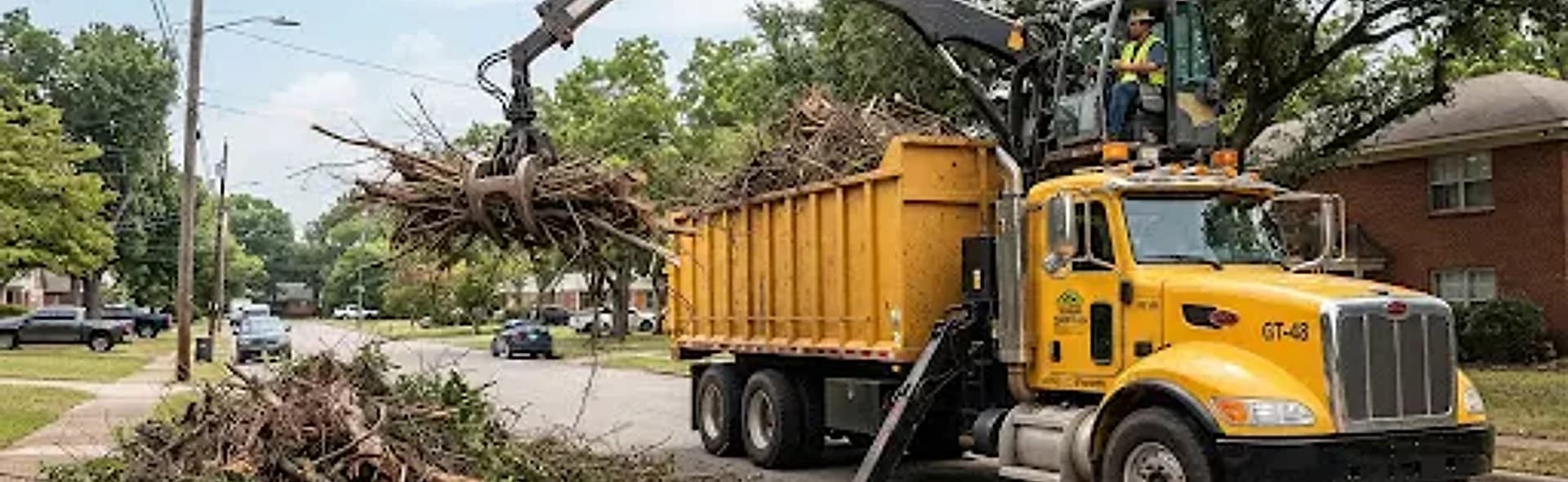
Grapple Truck with Operator
A truck equipped with a hydraulic loader and grapple used to pick up, load, transport, and unload logs, brush, wood, and storm debris. This service includes the grapple truck and a qualified operator.
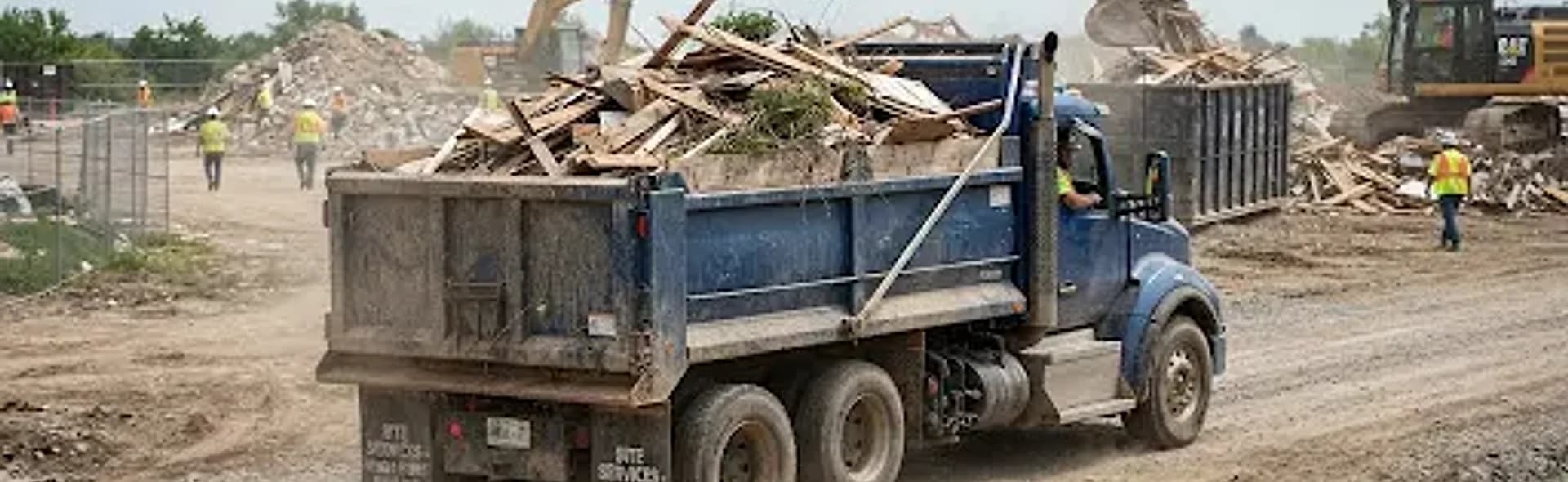
Wood and Debris Hauling
A hauling service for removing and transporting logs, brush, wood chips, tree sections, and other tree-related debris from a jobsite. This service may be offered independently from other tree care or equipment services.
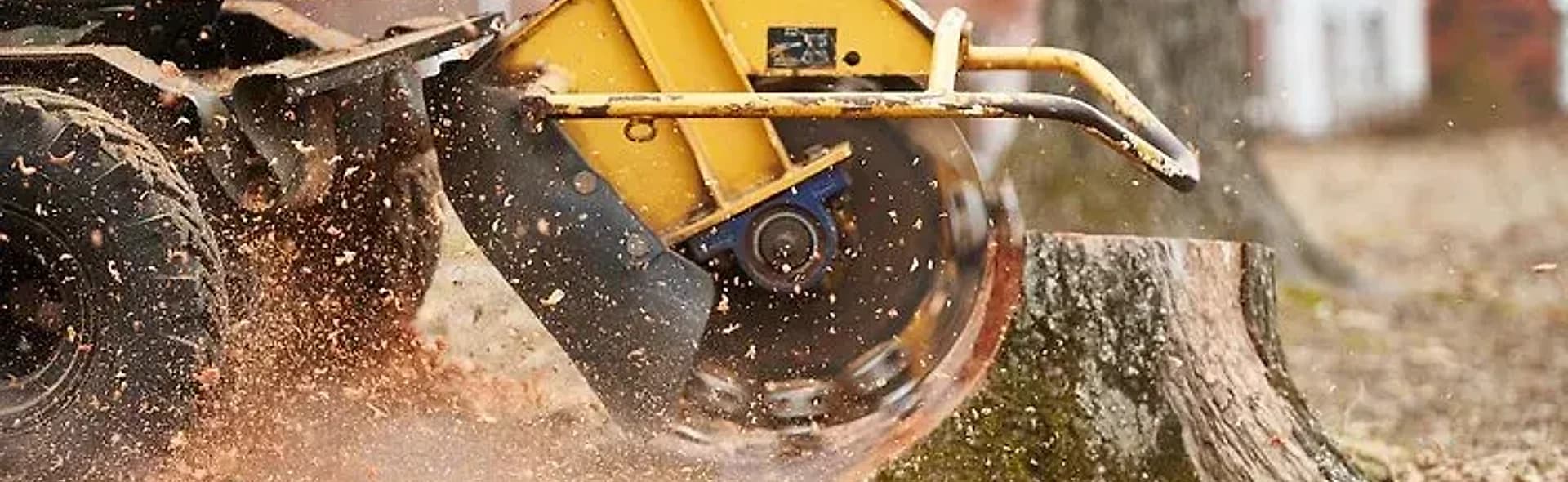
Stump Grinder with Operator
A specialized machine that uses a rotating cutting wheel to grind tree stumps and surface roots following tree removal. This service includes the stump grinder and a qualified operator.
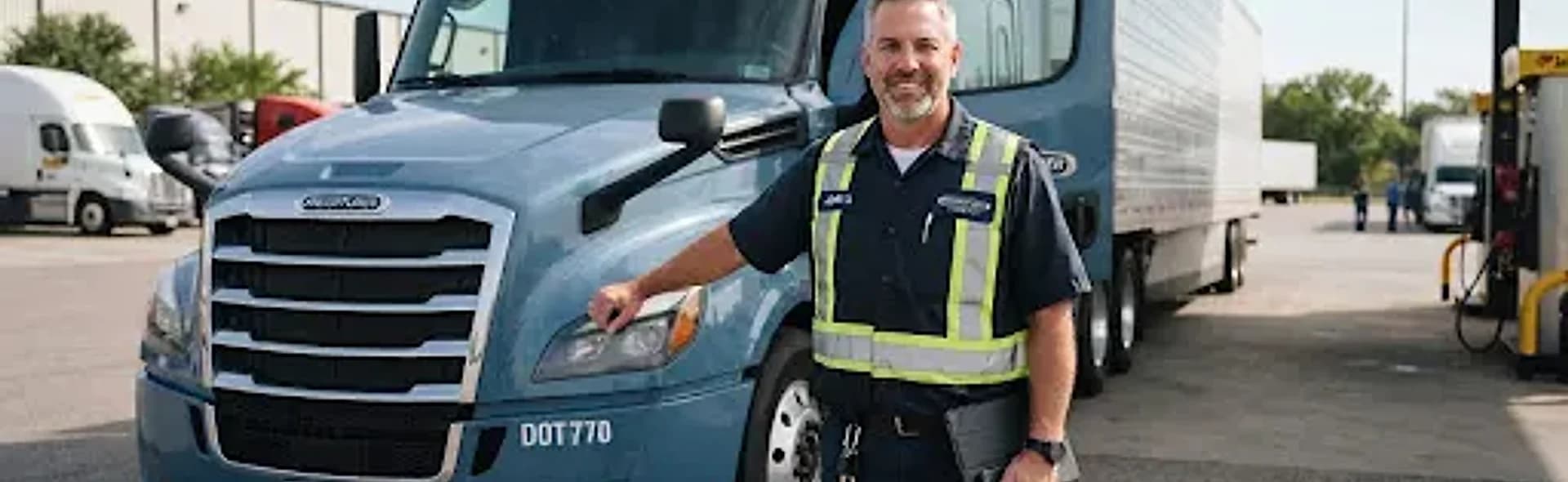
CDL Driver
A qualified commercial driver available to operate and transport commercial trucks, trailers, tree care equipment, wood, chips, and other materials. The profile should identify the driver’s CDL class, endorsements, and relevant driving experience.
Find Trusted Wood Chipper with Operator
Near You
Questions about Wood Chipper with Operator?
Need help finding the right help for your project? Our team is here to assist with any questions about wood chipper with operator and specialized services.