

Grapple Truck with Operator
A grapple truck is the answer to a pile. Hydraulic loader, grapple, and a body to load into — it picks up logs, brush and storm debris and takes them away, without a crew spending the afternoon dragging material by hand.
 Grapple Truck with Operator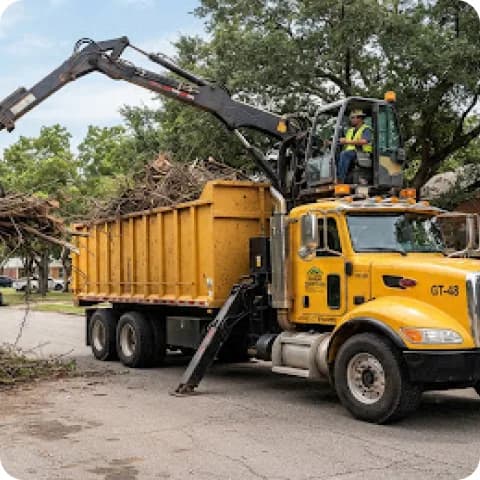
It comes into its own after storms and on large removals, where the cutting is finished long before the clearing is. A crew that has to hand-load its own debris spends more time on cleanup than on tree work; a grapple truck turns that into a fraction of the time and saves the crew's backs for the jobs that need them.
Post the job with the volume, what the material is, and where the truck can reach it, and grapple truck providers whose radius covers you are notified. Access is the deciding factor — a grapple can only load what it can reach from where the truck can stand.
The strongest case is storm work, where the cutting finishes days before the clearing does and hand-loading turns a crew of four into a crew that isn't cutting. Large removals produce the same problem in miniature: trunk sections nobody can lift, and a landing that has to be empty before the next tree comes down.
What to check is reach from where the truck can legally park, and what the body holds. A grapple that can't get over a fence line, or a load capacity that means four trips instead of two, changes the day entirely. Ask about both, and about whether they can handle long trunk sections or only cut material.
Pricing is usually by the load or by the day, with disposal charged separately or handled by the provider at their own site. Tip fees are the most common source of after-the-fact disagreement, so settle who pays them before the truck arrives. All of it is agreed directly with the provider.
For providers, grapple work is in demand every time the weather turns, and companies remember who answered. State your reach, your body capacity, whether you can take whole trunk sections, and whether you have your own disposal — that last one is often the deciding factor.
Hauling range is a genuine business decision rather than a preference: fuel and road time set it. Set the radius accordingly, and lean on travel dates after major storms, when a self-loading truck is the scarcest thing in the affected region.
What a grapple truck does on a site
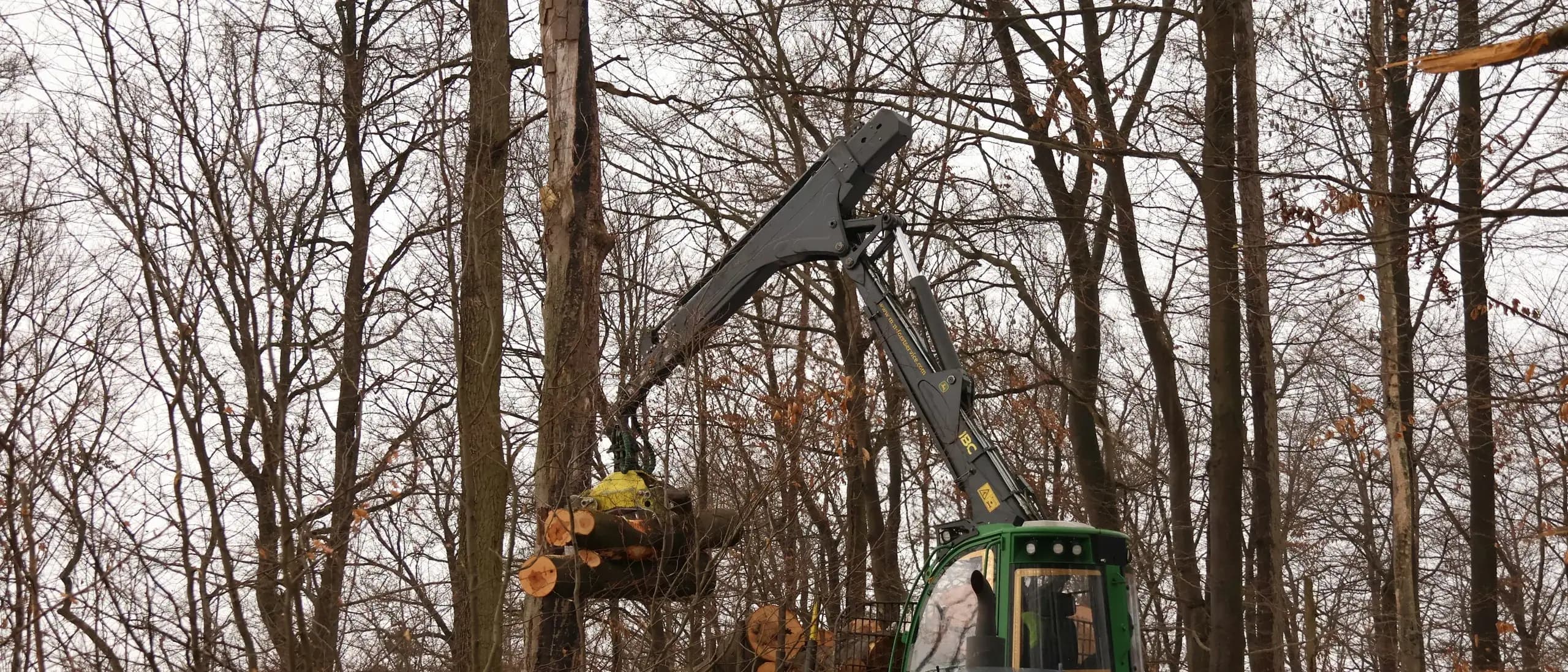
It picks up what people cannot. Trunk sections, long logs, tangled brush piles and storm debris go from the ground into the truck body without anyone lifting them, and the same machine unloads at the other end.
On a removal, that means the landing can be cleared as fast as the climber fills it, so the crew never stops to hand-load. On storm work it means a road can be opened in an hour rather than a day.
The limit is reach from where the truck can legally and safely stand. A grapple cannot pick what it cannot get over — a fence line, a hedge, a parked car — so access dictates productivity more than capacity does.
Reach, body capacity and what it will take
Two specifications matter: how far the boom reaches from the truck, and how much the body holds. A machine that needs four trips where another needs two costs more in road time than the difference in day rate.
Ask what material they accept. Some providers want brush cut to length; others will take whole trunk sections. Long logs need a body and a grapple sized for them, and mixed loads of brush and rounds pack badly.
Ask about disposal too. A provider with their own site is a fundamentally different proposition from one who needs a tip you nominate and pays fees you reimburse.
What grapple truck hire costs
Priced by the load, by the day, or by volume. Day rates suit a site producing continuously; per-load suits a fixed pile. Disposal is either included or charged on, and that distinction is the single most common cause of an unexpected invoice.
Storm work prices differently — long shifts, congested routes, disposal sites that fill and reroute traffic — and the crews who travel for it price the travel in.
Everything is agreed directly with the provider. Treelign introduces and holds no money.
Grapple truck, knuckleboom or loader
A grapple truck is a material-handling and hauling machine: its job is on the ground and its purpose is getting debris away. That is the whole distinction.
A knuckleboom crane shares the articulating boom but is used aloft — sectioning trees, sometimes with a grapple saw. If you need the tree removed as well as cleared, that is the machine.
A loader moves material around a site but does not haul it off. If the problem is distance from tree to truck rather than volume leaving site, a loader is cheaper and more manoeuvrable.
Hiring a grapple truck on Treelign
Post the job with the volume, the material and its size, where the piles sit relative to where a truck can park, and where it is going. Photographs with something for scale are worth more than any estimate.
Providers within range are alerted immediately, and profiles state reach, body capacity, whether they take whole trunk sections and whether they have their own disposal.
After a major storm, providers who have set travel dates for the affected region appear alongside local ones — which matters, because self-loading trucks are the scarcest capacity in the weeks after an event.
Frequently Asked Questions
What does a grapple truck do?

Picks up, loads, transports and unloads logs, brush, wood and storm debris using a hydraulic loader and grapple. It's the mechanised alternative to a crew hand-loading a truck, and it handles material — like large logs — that a crew simply can't lift.
How is it different from a knuckleboom crane?
They share the articulating boom, but the job differs. A knuckleboom in tree work is often used for removals, sometimes with a grapple saw, working aloft. A grapple truck is a material-handling and hauling machine: its work is on the ground and its purpose is getting debris away.
What information helps a provider quote?
Rough volume, the material type and size, where the piles sit relative to where the truck can park, and where it's going. Photos of the piles with something for scale are worth more than an estimate. Say if there's a disposal site arranged or if that's part of what you need.
Is disposal included?
Not automatically — it's agreed between you and the provider, along with any tip fees. Some carry their own disposal arrangements, some haul to a site you nominate. Settle it before the day: unexpected tip charges are the most common friction on hauling work.
What is Treelign?
Treelign is a hiring platform built specifically for the tree care industry. Tree service companies post jobs for the positions and equipment they need, and qualified tree professionals nearby are notified and can apply immediately. It connects companies with contract climbers, crane and bucket truck operators, stump grinders, trainers and other specialists — without cold calls or Facebook group posts. Browsing is public; a free account is needed to apply, message a provider, or see a job's exact address.
How is Treelign different from Facebook groups or general job boards?
General job boards and Facebook groups aren't built for tree work. Treelign is structured around the industry's actual positions and equipment, matches by service area, and notifies qualified professionals the moment a job is posted. Instead of broadcasting into a group and hoping the right climber sees it, you reach the people who do that specific work near you — and each service on a job carries its own crew size, so a job can be filled by several providers at once.
Related services
Wood Chipper with Operator
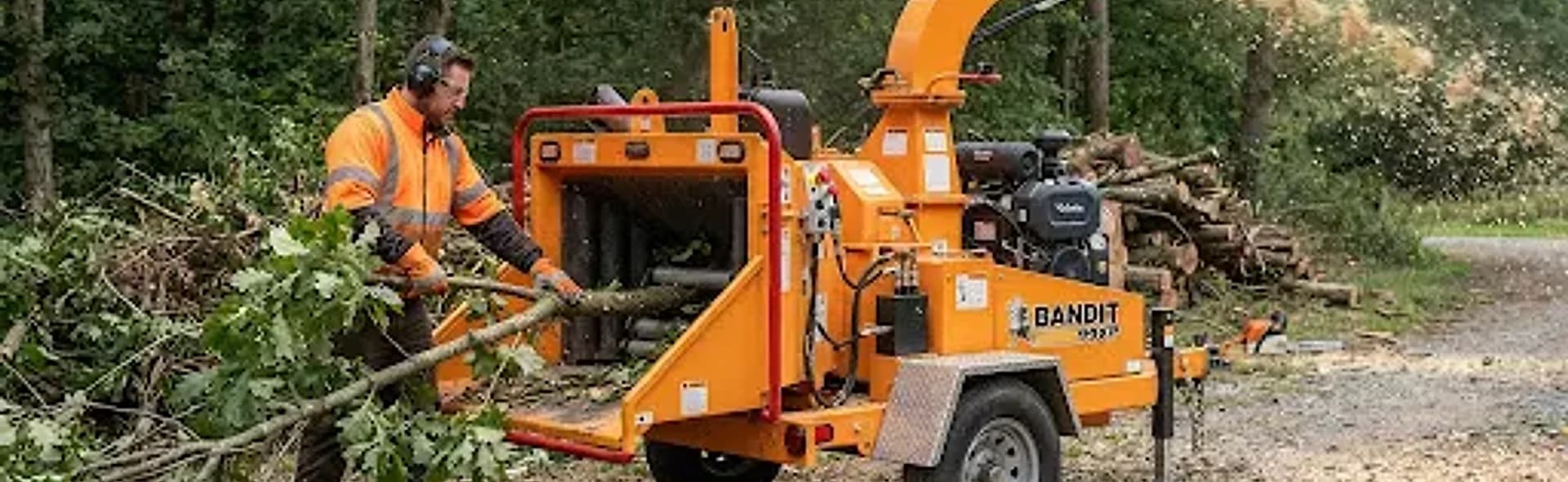
A machine designed to process brush, limbs, and other suitable woody debris into wood chips. This service includes the chipper and a qualified operator and may provide additional chipping capacity for removals, pruning projects, storm cleanup, and land-clearing work.
Wood and Debris Hauling
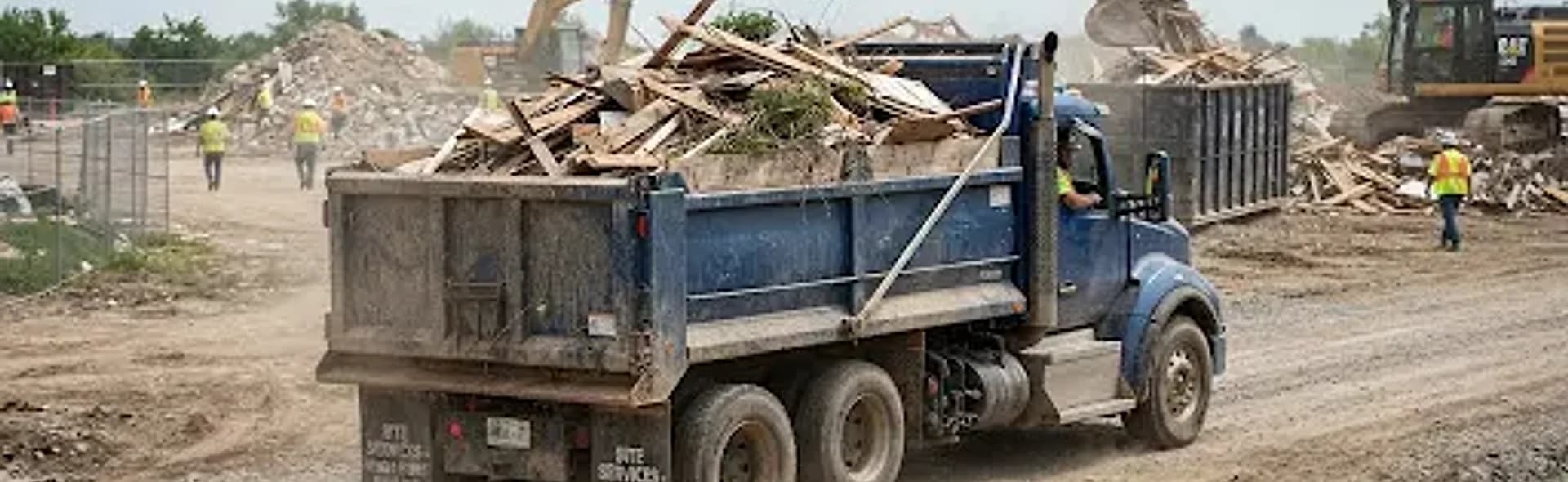
A hauling service for removing and transporting logs, brush, wood chips, tree sections, and other tree-related debris from a jobsite. This service may be offered independently from other tree care or equipment services.

Stump Grinder with Operator
A specialized machine that uses a rotating cutting wheel to grind tree stumps and surface roots following tree removal. This service includes the stump grinder and a qualified operator.
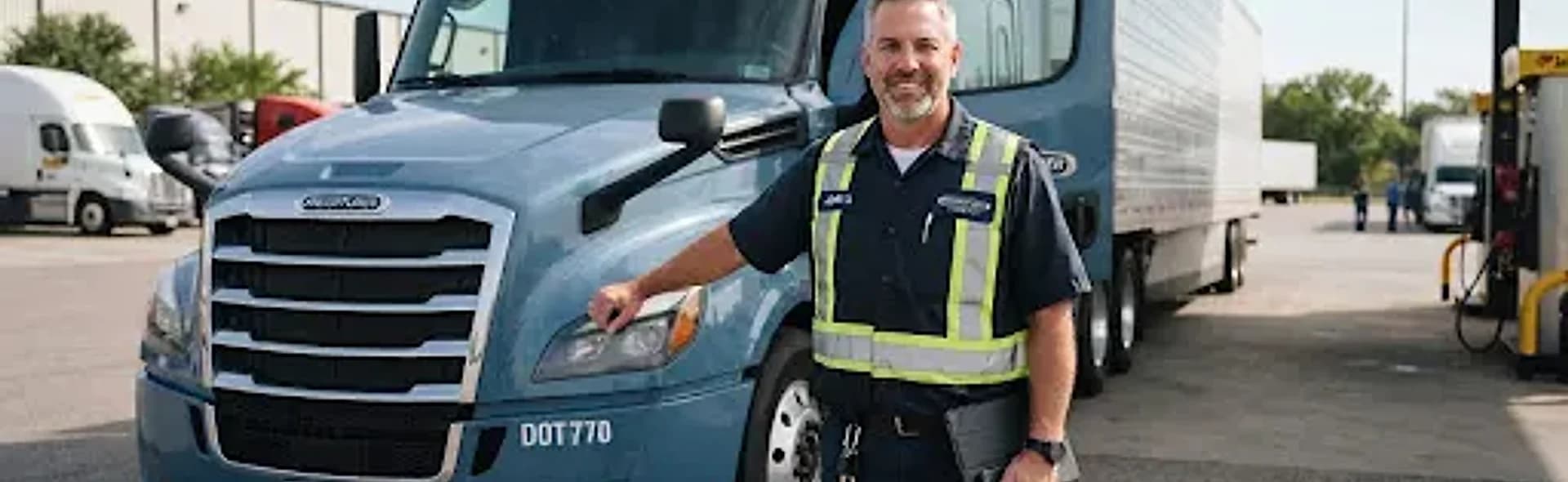
CDL Driver
A qualified commercial driver available to operate and transport commercial trucks, trailers, tree care equipment, wood, chips, and other materials. The profile should identify the driver’s CDL class, endorsements, and relevant driving experience.
Find Trusted Grapple Truck with Operator
Near You
Questions about Grapple Truck with Operator?
Need help finding the right help for your project? Our team is here to assist with any questions about grapple truck with operator and specialized services.