
 Wood Dump Site

Deeply Rooted Tree Services
Bridgeport, Texas
No reviews yet
Tree service with ISA Certified Arborist on staff

Every removal ends with the same question: where does the wood go? A mature tree becomes several tons of trunk wood that will not fit in a chipper, will not fit in a pickup, and has to be legally offloaded somewhere before the crew can start the next job. A wood dump site is the answer to that question, and knowing where the nearest one is decides how much of the day is spent working rather than driving.
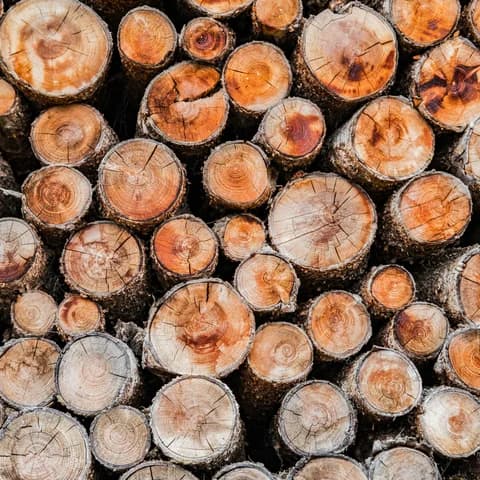
The economics are unforgiving. An hour each way to the dump is two hours of a crew and a truck, every load, and on a big removal that is most of a day. A site fifteen minutes away instead of an hour is worth more to a tree company than almost any equipment upgrade, which is why crews guard the ones they know about.
On Treelign, wood dump sites are listed the same way services are: by location and service area, searchable by the crews who need them. If you run a site that accepts wood — a farm, a firewood operation, a mill, a landscape yard, a biomass facility or a municipal facility — listing it puts you in front of every tree company working nearby.
Terms differ enormously from site to site and that is exactly what a listing should make clear. Some sites charge to receive wood. Some take it free because they process it themselves. Some pay for clean, sound hardwood of a usable length. Being explicit about which of those you are saves everybody a phone call.
So does being explicit about what you accept. Sound logs are one thing; brush, stumps with soil attached, and diseased or infested material are quite another, and a site that takes the first three but not the last needs to say so before a truck arrives with a full load.
Access and hours are the other half of it. A tree crew arriving at 4:30pm to find gates locked at four has lost the load and the trip. Publish the hours, whether the site is attended, what surface the approach is, and whether a tri-axle or a trailer can turn round inside.
For tree companies, this is worth searching before quoting rather than after. Disposal is a real line in the cost of a removal, and knowing what the nearest site charges — or whether it will take the wood for nothing — is what makes an estimate accurate instead of optimistic.
Providers set their own service area on Treelign, so a site appears in searches across the radius it actually serves. For a rural site drawing crews from three counties, that is a much better description than a single address on a map.
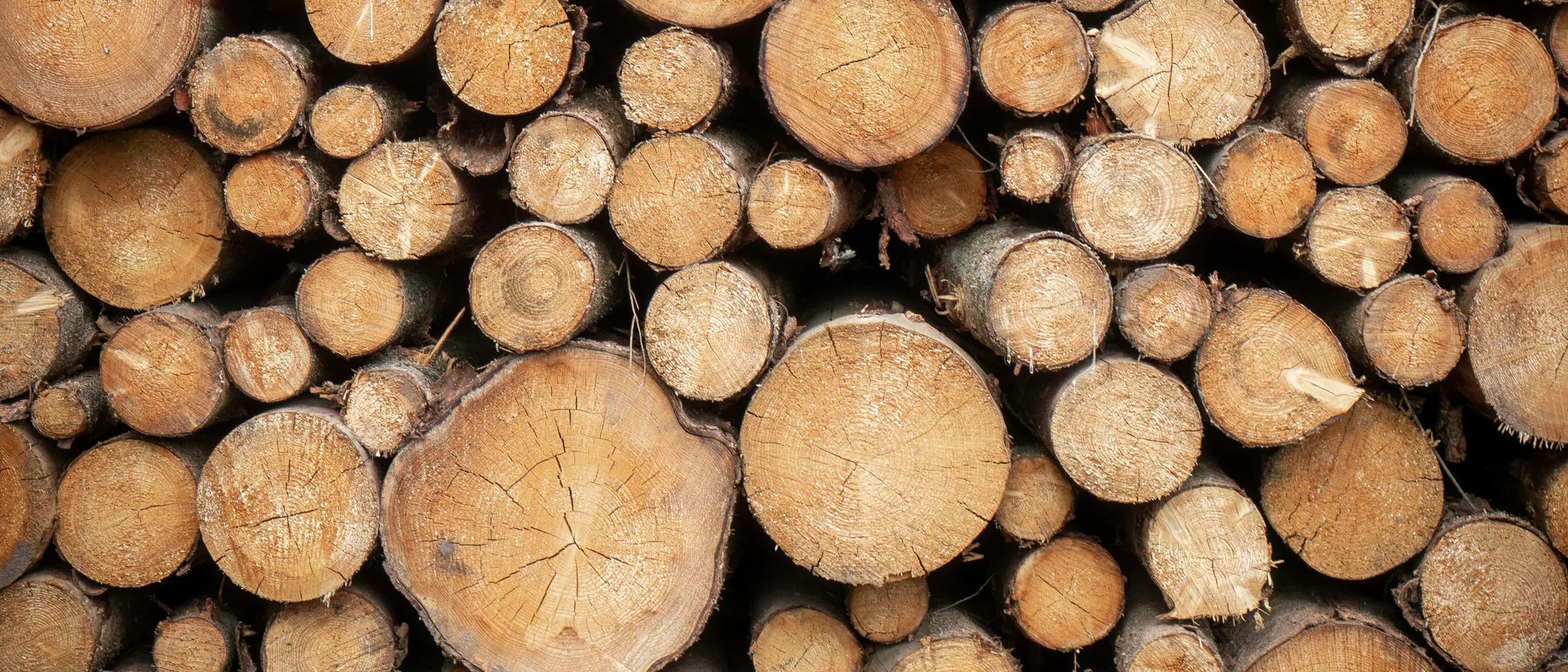
Sound trunk wood and large rounds are the core of it — the material a chipper cannot take and a firewood processor or mill can use. Length and diameter limits matter here, because a site set up to handle four-foot rounds cannot do anything with twenty-foot stems.
Stumps are usually a separate conversation. They carry soil, stone and metal, they are awkward to handle, and they damage processing equipment, so many sites exclude them or charge more.
Diseased and infested material is the one to be explicit about. Movement restrictions around certain pests and pathogens are real, and a site that cannot accept regulated material needs to say so plainly rather than rely on the crew knowing.
Charging sites are the default: a dump fee per load or per ton, reflecting the cost of handling and processing what arrives. Predictable, and easy for a tree company to build into a quote.
Free sites usually have a use for the material — a firewood operation, a biomass yard, a farm with a boiler, a landowner who wants the wood. The trade is that they will be fussier about quality and species.
Paying sites buy clean, sound wood of a usable size and species, and are the reason it is worth sorting on site rather than mixing everything into one load. Say which you are in your listing; it is the single most useful line in it.
Publish the hours honestly, including whether the site is attended and whether after-hours dumping is possible by arrangement. Most wasted journeys are timing, not distance.
Describe the approach: surface, gradient, width, and whether a loaded tri-axle or a truck and trailer can get in and turn round. A site that a pickup can reach but a chip truck cannot is a different service.
Say what happens on arrival — whether there is a weighbridge, whether the crew tips themselves or a machine unloads, and whether anything needs to be booked. Crews plan their day around these details.
Tree companies find disposal by word of mouth, which means a good site stays invisible to every crew that has not happened to hear about it. A listing replaces that with a search.
It also brings the right material. A listing that states species, size and condition preferences filters out the loads you do not want before they are on a truck heading toward you.
And it reaches crews working temporarily in your area — storm response teams and traveling contractors who have no local knowledge at all and will otherwise drive an hour to a site they found online.
Search by location and this service to see sites whose service area covers where you are working. Listings show what is accepted, the terms, and the area the site serves.
Browsing is public; a free account is needed to message a provider or see a job's exact address. Terms — fees, quantities, timing — are agreed directly between you and the site.
If you also need the wood moved, post wood and debris hauling as a service on your job. A hauler with a grapple truck and a known dump site is often the whole solution rather than half of it.
Bridgeport, Texas
No reviews yet
Tree service with ISA Certified Arborist on staff

Chambersburg, Pennsylvania
No reviews yet
Climber based in South Central PA, looking to grow in the industry, and meet new people! Would love to join in on rec climbs, and weekend work!

Green Bay, Virginia
No reviews yet
For over 30 years, J-Bird's Tree Service has stood as a trusted provider of premier tree services! 🌳We would love to opportunity to subcontract and work together with other tree services to streamline and make business relationships with other companies.

A site that accepts logs, trunk wood and tree sections for disposal — a farm, firewood operation, mill, landscape yard, biomass facility or municipal site. It is where the wood from a removal legally goes once it comes off the truck, and how close one is largely decides how much of a crew's day is spent driving.
It varies, and that is why listings say so explicitly. Some charge a dump fee per load or ton; some accept wood free because they process it themselves; a few pay for clean, sound hardwood of a usable size. Check the terms before loading — it changes what a removal costs to complete.
Often not. Stumps carry soil, stone and metal that damage processing equipment, and brush is usually a different stream handled by wood-chip sites. Many sites take sound trunk wood only. Check the accepted-materials list before the truck is loaded rather than after it arrives.
Create a free account, add Wood Dump Site to your profile, and set the service area you actually serve. State what you accept, any size or species limits, your hours, whether the site is attended, and whether you charge, take it free or pay. Crews searching your area will see the listing, and terms are agreed directly with them.
Treelign is a trade-only hiring platform built specifically for the tree care industry. Tree service companies post jobs for the positions and equipment they need, and qualified tree professionals nearby are notified and can apply immediately. It connects companies with contract climbers, crane and bucket truck operators, stump grinders, trainers and other specialists — without cold calls or Facebook group posts. Browsing is public; a free account is needed to apply, message a provider, or see a job's exact address.
General job boards and Facebook groups aren't built for tree work. Treelign is structured around the industry's actual positions and equipment, matches by service area, and notifies qualified professionals the moment a job is posted. Instead of broadcasting into a group and hoping the right climber sees it, you reach the people who do that specific work near you — and each service on a job carries its own crew size, so a job can be filled by several providers at once.
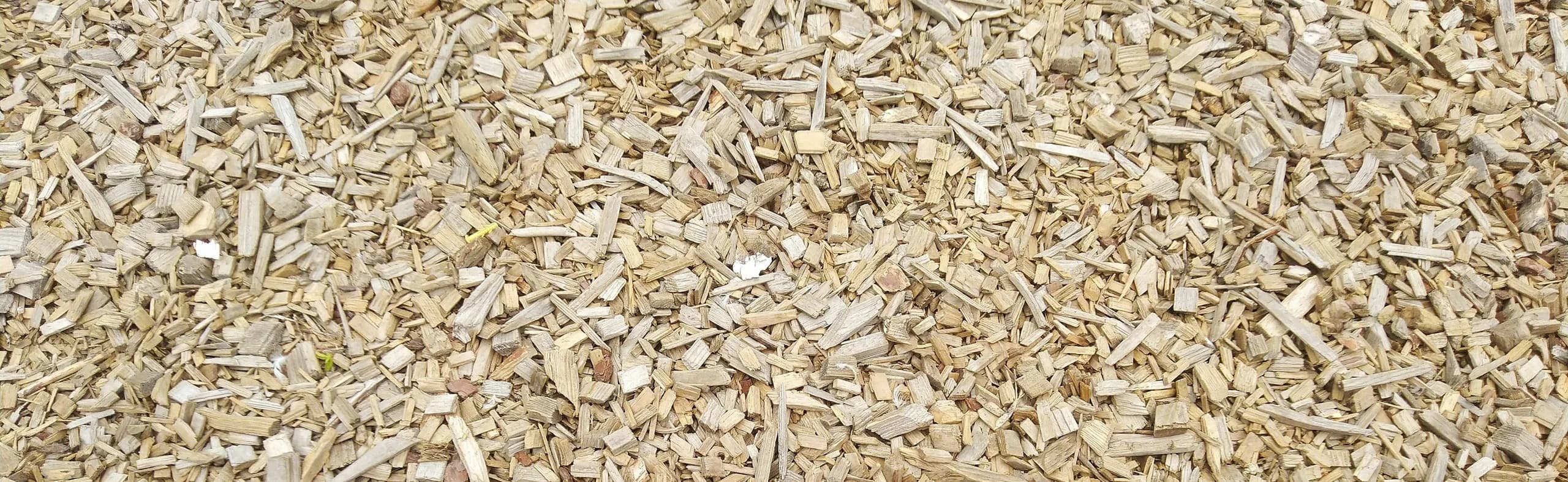
A site that accepts wood chips and brush for disposal — a farm, nursery, landscape yard, composting operation or municipal facility. Chips fill a truck faster than anything else a crew produces, so a nearby dump is what keeps a chipper working instead of driving.
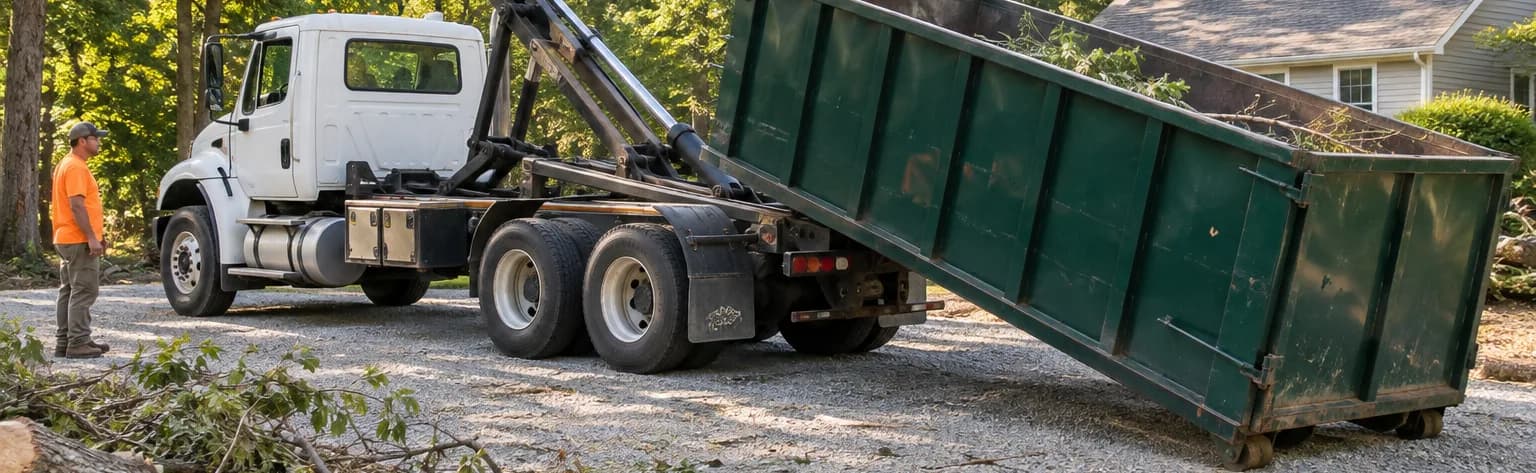
Roll-off containers delivered, swapped and hauled for tree work — brush, logs, stumps and mixed debris. Sized by the job and priced by the pull, this is the alternative to running your own trucks back and forth on a removal that produces more material than a crew can carry.
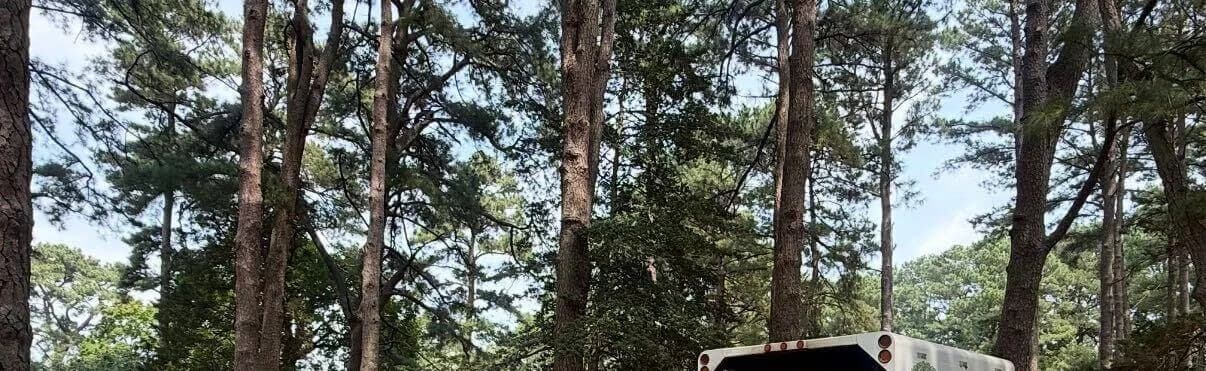
A hauling service for removing and transporting logs, brush, wood chips, tree sections, and other tree-related debris from a jobsite. This service may be offered independently from other tree care or equipment services.
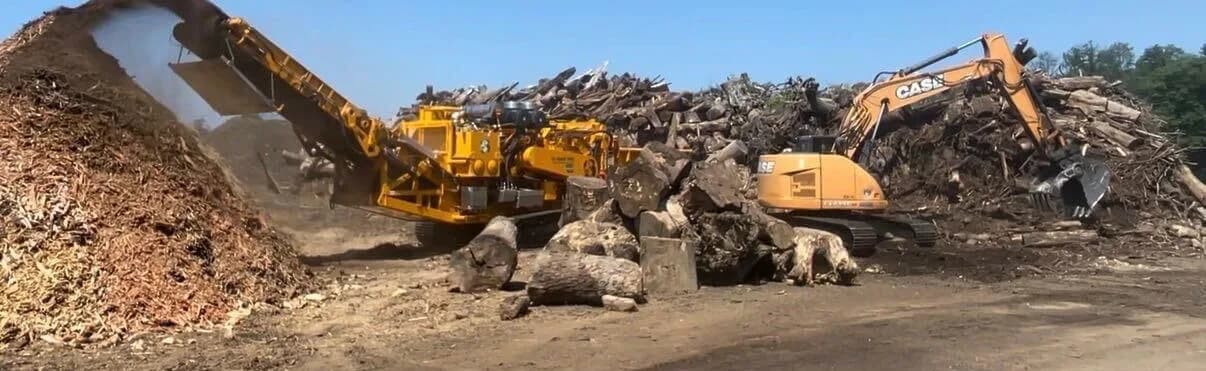
A high-capacity tub or horizontal grinder for reducing logs, stumps, brush and yard waste into mulch or biomass at volume. Used on land-clearing projects, storm cleanups and at processing yards where a chipper cannot keep up. This service includes the grinder and a qualified operator.
Need help finding the right help for your project? Our team is here to assist with any questions about wood dump site and specialized services.
