

Tub Grinder with Operator
A tub grinder is what you bring in when a chipper is no longer the answer. Chippers handle brush and limbs; a grinder eats stumps, root balls, logs, pallets, storm debris and mixed yard waste, and it does it at a volume measured in tons per hour rather than in truckloads per day.
 Tub Grinder with Operator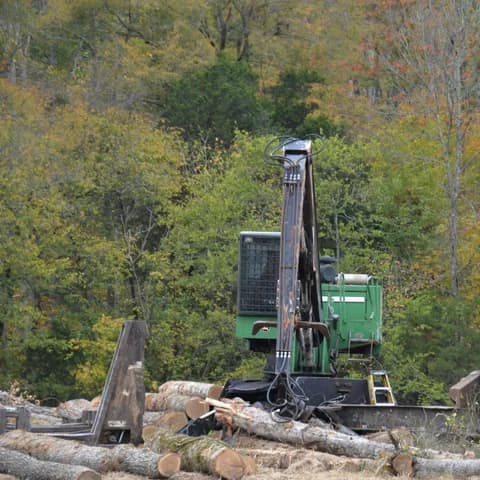
The distinction between a tub and a horizontal grinder is worth understanding before you post. A tub is open at the top, loads fast and forgives untidy material — ideal for stumps and mixed debris. A horizontal grinder feeds through a controlled infeed, throws less, contaminates less, and produces a more consistent product, which matters if the output is being sold rather than dumped.
On Treelign, grinder work is offered by companies and owner-operators who set their own service radius and rates. Post the job with the material, the volume and the site, and operators covering your area are notified and can apply. Terms are agreed directly between you and them — Treelign carries no payments and takes no percentage.
The grinder is never hired alone. It needs something feeding it — a loader or an excavator with a grapple — and somewhere for the product to go, whether that is a stockpile, a walking-floor trailer or a customer's field. A grinder standing idle because the loader is on another job is the most expensive thing on the site.
Volume is what makes the economics work. Mobilising one of these machines costs real money, so a half-day of material is rarely worth it. Land clearing, storm cleanup, yard backlogs and site remediation are the jobs that justify one; a single large removal usually is not.
The product matters as much as the disposal. Ground material can be mulch, biomass fuel, animal bedding or landscape product, and screen size determines which. Say what you want the output to be and the operator will set the machine up for it — grinding to the wrong specification turns a saleable product into waste.
For machine owners, this is project work with long runs and predictable hours, and there are far fewer grinders than there are companies who occasionally need one. A profile listing machine type, capacity and whether you bring your own loader is what puts you in front of them when a clearing contract lands.
Providers set their own radius and can add travel dates when working away from home — during those dates the machine appears in searches at that destination for the services it has brought. After a major storm, a grinder heading toward an affected region is exactly what the companies there are looking for.
Tub or horizontal — which one your job wants
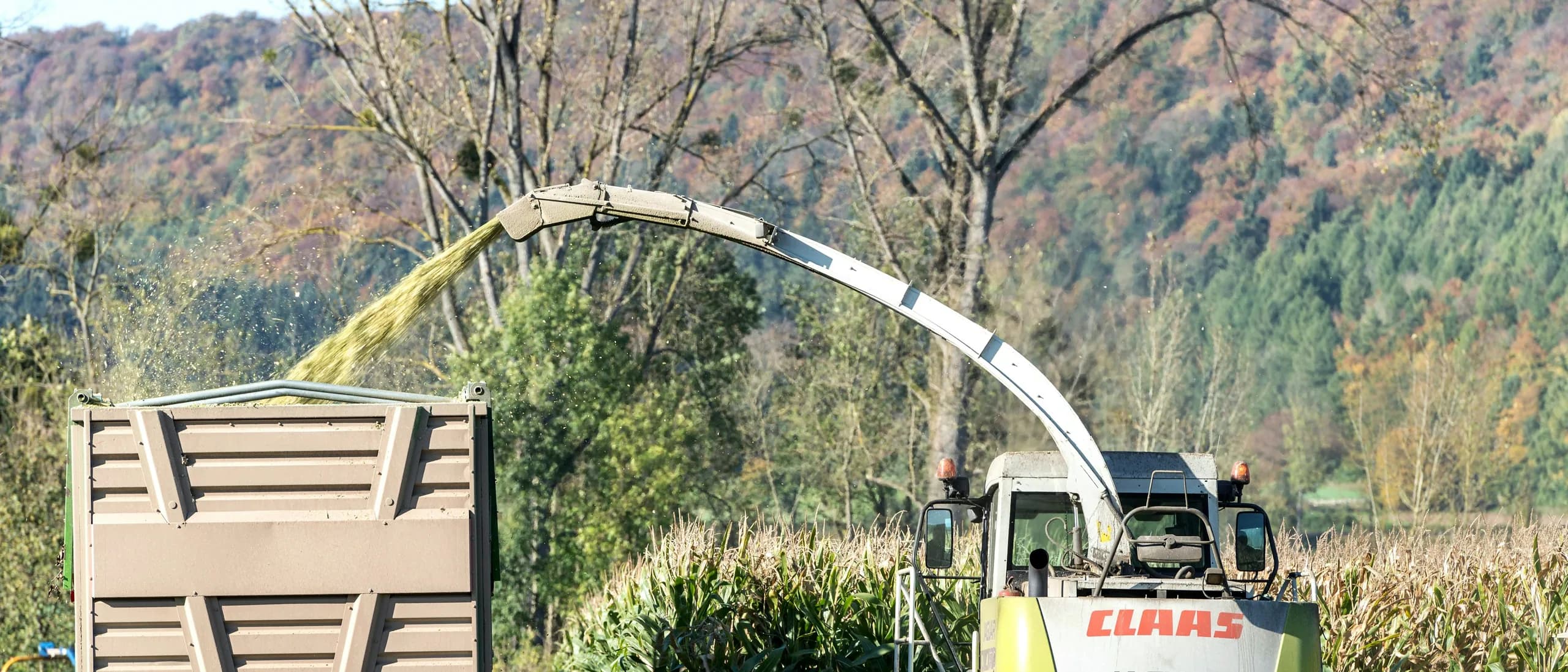
A tub grinder is open-topped: a loader tips material in and the mill takes it. That makes loading fast and tolerant of awkward shapes — stumps with soil still attached, root balls, tangled storm debris — which is why tubs dominate cleanup and clearing work.
A horizontal grinder feeds material through a controlled infeed conveyor. It throws far less material, handles long stems better, and produces a more uniform product with less contamination, which is what you want if the output is being sold as mulch or fuel.
In practice: dirty, mixed, stumpy material goes in a tub; clean wood destined for a product goes through a horizontal. Describe your material and let the operator tell you which of theirs is right.
Feeding it, and why the loader is not optional
Grinders consume material faster than most people expect, and their economics depend entirely on staying fed. A machine waiting on a loader is burning fuel and an operator's day for nothing.
That means a loader or excavator with a grapple dedicated to the grinder for the duration, and often a second machine moving finished product away from the discharge. Plan the whole circuit before the grinder arrives.
Say in the job post whether you are supplying the feed machine or need one. Some grinder operators bring a loader, most do not, and discovering that on the morning costs a day.
Site, safety and the throwing hazard
Grinders throw. Metal, stone and wood come out of them at speed if contamination gets in, and the exclusion zone around a working machine is measured in tens of metres, not a few. Sites need space, and people need to be kept out of the discharge line.
Contamination control is the practical version of that. Wire, fencing, nails and stone in the feed damage the mill and create the projectiles — a tidy feed pile is a safety measure as much as a productivity one.
Noise, dust and fire risk all need planning too. Ground material self-heats in large piles, and neighbours notice a grinder long before they notice a chipper. Consider hours of operation and pile size before you start.
What grinder hire costs
Day rates with the operator included, weekly rates on longer projects, and mobilisation charged separately and substantially — these are heavy machines that need proper transport. Some providers price by tonnage or by volume processed instead, which suits a defined pile.
Fuel is a real number at this scale and is often billed separately. Wear parts — tips, hammers, screens — are consumables the operator carries, but heavy contamination that damages the mill is a conversation worth having in advance.
Rates and terms are agreed directly between you and the provider. Treelign holds no payments and takes no commission; settle rate basis, fuel, mobilisation and the contamination position before the machine is booked.
Hiring a tub grinder on Treelign
Post the job with the material type, the estimated volume, the site and its access, whether you have a feed machine, and what you want the output to be. Operators whose radius covers you are alerted immediately.
Each service on a job carries its own crew size, so a grinder can be hired alongside a wheel loader, hauling and a chipper on the same job, each service filling independently.
For a clearing or cleanup project, post the loader and the hauling as separate services on the same job. They are usually different providers, and posting them together is how the whole circuit gets staffed rather than in three rounds of calls.
Frequently Asked Questions
What is the difference between a tub grinder and a horizontal grinder?

A tub is open at the top: fast to load and tolerant of stumps, root balls and mixed debris. A horizontal feeds through a controlled infeed: less throwing, better with long stems, and a more consistent product with less contamination. Dirty mixed material suits a tub; clean wood destined to be sold as mulch or fuel suits a horizontal.
Do I need to supply a loader?
Almost always something has to feed it, and usually something else has to move the product away. Some grinder operators bring a loader, many do not — say in your job post whether you are supplying one, because a grinder waiting on a machine is the most expensive idle time on the site.
How much material makes a grinder worth hiring?
Enough to justify mobilising a heavy machine — think land clearing, storm cleanup or a yard backlog rather than a single removal. If you are unsure, describe the pile in the job post and let operators tell you; they will know quickly whether it is a grinder job or a chipper and a truck.
How much space does a grinder need on site?
More than people expect. Beyond the machine itself you need a feed pile, room for a loader to work, space for the discharge stockpile, and a clear exclusion zone in the throwing line. Describe the site honestly and expect a good operator to walk it or ask for photographs before committing.
What is Treelign?
Treelign is a hiring platform built specifically for the tree care industry. Tree service companies post jobs for the positions and equipment they need, and qualified tree professionals nearby are notified and can apply immediately. It connects companies with contract climbers, crane and bucket truck operators, stump grinders, trainers and other specialists — without cold calls or Facebook group posts. Browsing is public; a free account is needed to apply, message a provider, or see a job's exact address.
How is Treelign different from Facebook groups or general job boards?
General job boards and Facebook groups aren't built for tree work. Treelign is structured around the industry's actual positions and equipment, matches by service area, and notifies qualified professionals the moment a job is posted. Instead of broadcasting into a group and hoping the right climber sees it, you reach the people who do that specific work near you — and each service on a job carries its own crew size, so a job can be filled by several providers at once.
Related services

Land Clearing / Forestry Mulching
Clearing standing brush, undergrowth and small-diameter trees from a site, either by grinding it in place with a forestry mulcher or by felling and removing it. Mulching leaves the material on the ground as a chip layer instead of hauling it off, which is often faster and cheaper than clearing and burning. This service includes the machine and a qualified operator.
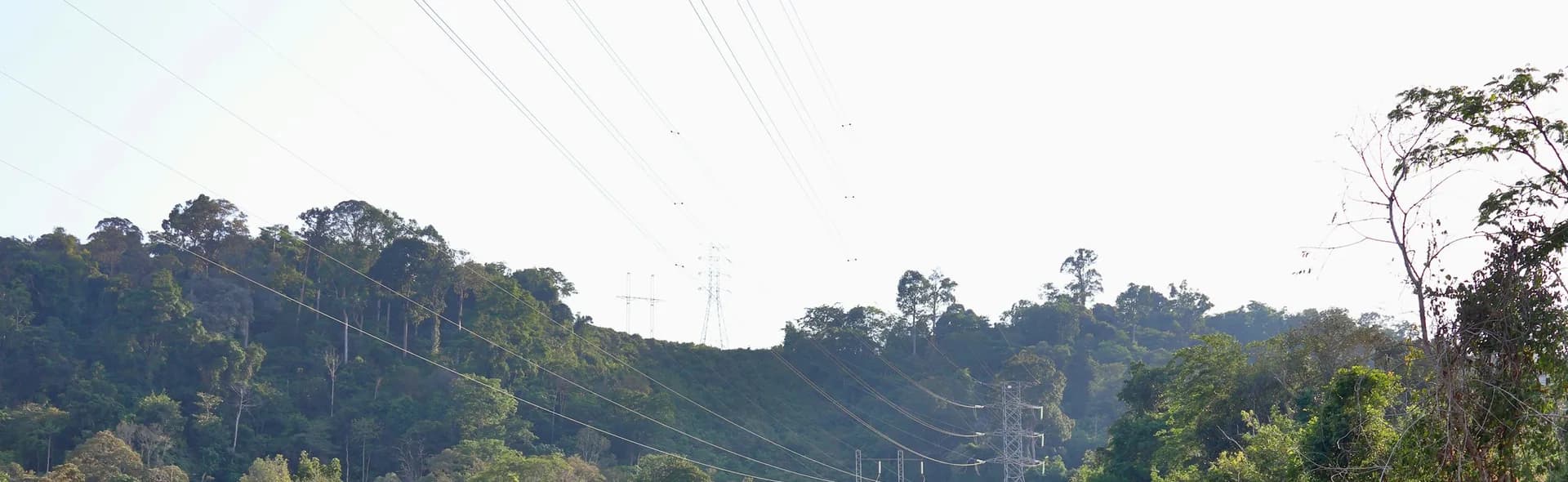
Vegetation Management / Right-of-Way
Cyclical clearing and maintenance of corridors — transmission and distribution lines, pipelines, rail, roadside and access routes — to keep them open and compliant. The work mixes mechanical mowing and mulching, hand crews with saws, and selective treatment, usually measured in miles of corridor rather than in individual trees.
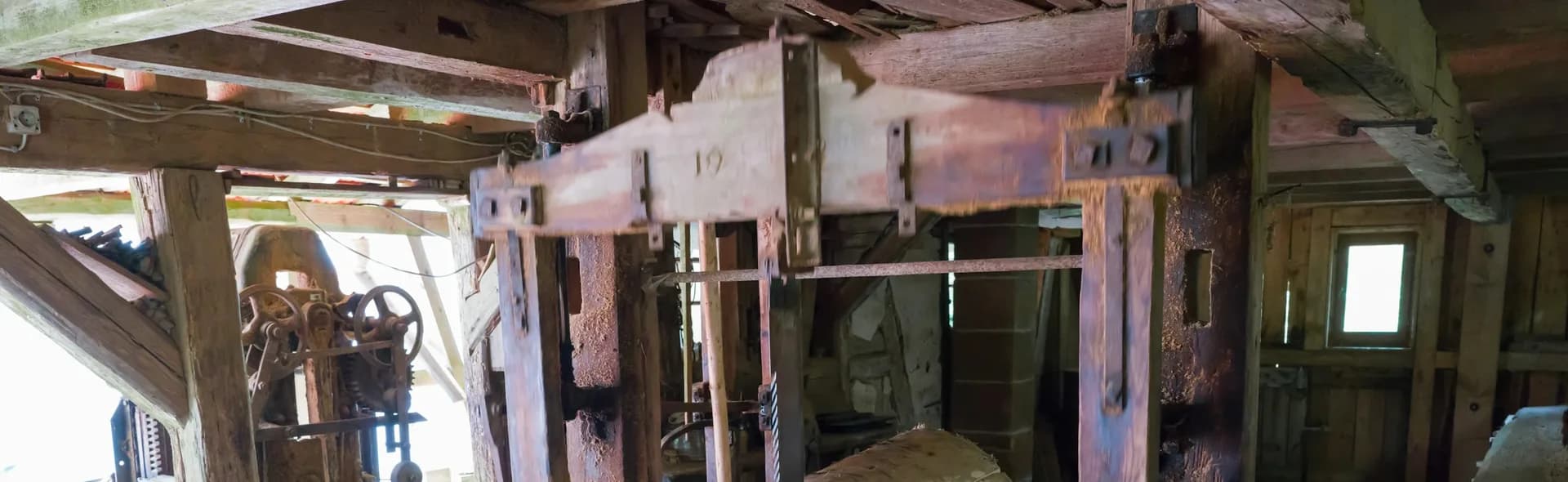
Wood Processing / Log Milling
Turning removed trees into usable material rather than waste — portable sawmilling on site, slabbing, and processing logs into lumber or timber. Useful when a customer wants the tree kept, or when a removal produces logs worth more milled than chipped. This service includes the mill and a qualified operator.
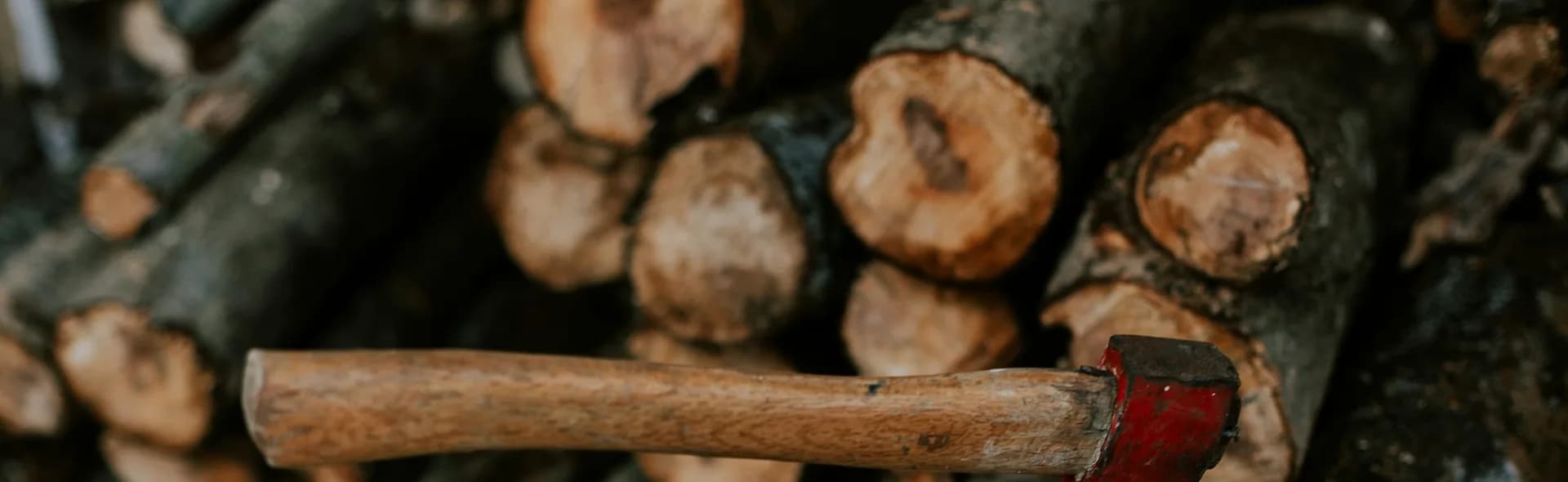
Firewood Processing / Wood Splitting
Bucking, splitting and stacking cordwood, whether on a jobsite or at a yard. Ranges from a splitter and an operator for an afternoon to a processor working through a landing's worth of logs. This service includes the equipment and the labour to run it.
Find Trusted Tub Grinder with Operator
Near You
Questions about Tub Grinder with Operator?
Need help finding the right help for your project? Our team is here to assist with any questions about tub grinder with operator and specialized services.