
Barge
Some trees cannot be reached by road. An island property, a stretch of lake frontage with no vehicle access, a riverbank behind a neighbour's land, a causeway too narrow for a chip truck — the work itself is ordinary tree work, and the only difficult part is getting to it. A barge is how that problem gets solved.
 Barge
Barge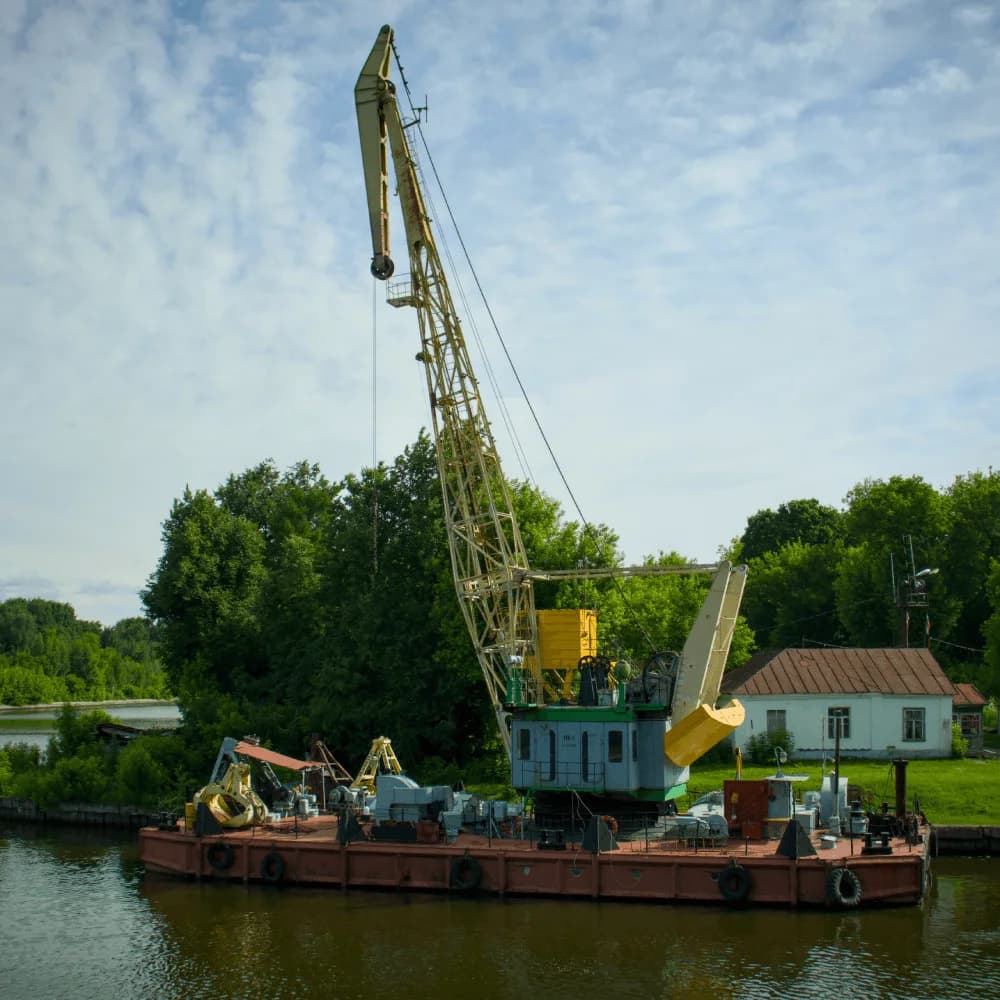
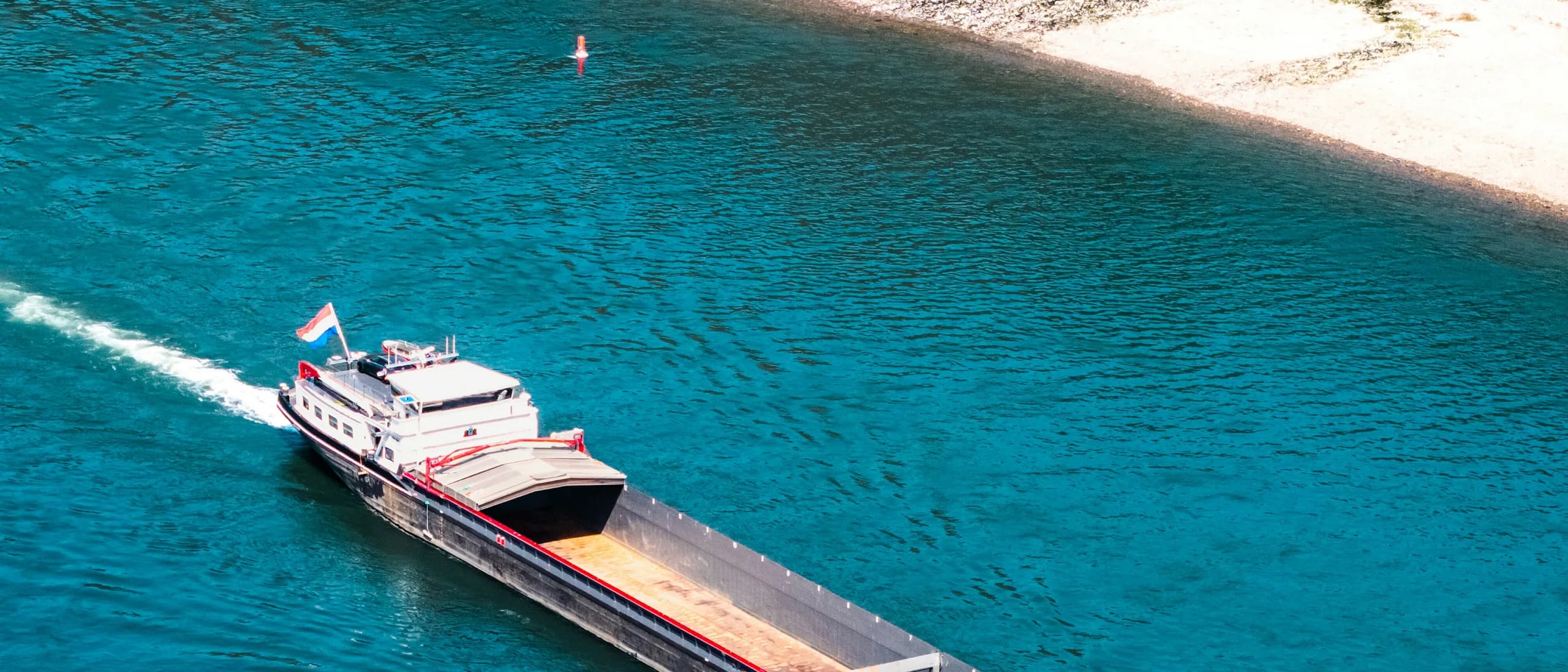
A barge service in tree care means a flat-decked vessel, the crew qualified to run it, and the loading and unloading that turns a shoreline into a work site. It carries people, saws, chippers, loaders and lifts out; it carries logs, brush and chip back. For a tree company with no marine capability of its own, it is the difference between quoting the job and declining it.
The listings here range widely, and that range matters when you are hiring. At the small end is a landing craft that will take a crew, a couple of saws and a day's brush. In the middle is a deck barge rated for a mini skid steer or a tracked lift. At the large end is a spud barge with a crane aboard, which is its own kind of removal work and priced accordingly.
What a barge operator brings beyond the vessel is judgement about water. Tides, draft, current, wind, the state of a shoreline at the point you want to land, whether a bank will take the weight of a machine coming off a ramp — these are the questions that decide whether a plan works, and they are not questions most tree crews are equipped to answer.
The usual shape of the job is two or three loads. The first takes the crew and the cutting equipment across at the start of the day. The middle loads take wood and brush off as it accumulates, because deck space runs out long before the tree does. The last takes everything and everybody home before the light goes.
Timing is tighter than on land. A road job that overruns finishes in the dark with headlights; a water job that overruns may not be able to leave at all, because the tide has dropped below the landing or the wind has come up across an exposed crossing. Operators build margin into the day for exactly this, and a client who understands why is a client who gets a better job.
Cost follows mobilisation more than hours. Getting a barge to the water near your site — trailered, or run from wherever it is moored — is often the single largest line on the quote, and it is the same whether you need the vessel for one day or four. Two adjacent properties booked together will each pay less than either would alone.
This is also work where the paperwork is real. Depending on the water, a job can touch shoreline permits, riparian rights, in-water work windows set around fish migration, and rules about what may be landed where. An operator who works that water regularly usually knows which of these apply before anyone asks.
Posting the job on Treelign puts it in front of the operators who already run those waters, with the site location, the crossing, and the equipment you need to move stated up front — rather than a round of phone calls that all begin by establishing whether the job is even possible.
When a barge is the right answer
The clear case is no land access at all: an island, a spit reachable only at low water, a property whose only road frontage belongs to someone who has said no. Here the barge is not a convenience, it is the job.
The less obvious case is land access that exists but is not worth using. A long private track that will rut into ruin under a loaded chip truck, a lawn the client will not allow equipment across, a single-track lane with no passing place — the cost of repairing the damage, or the cost of carrying everything by hand, can exceed the cost of a crossing.
There is also the removals case, where the wood is the problem rather than the access. A large removal on a waterfront property produces more timber than a small site can hold, and a barge alongside is both a route out and somewhere to put it. Loading directly onto a deck can be quicker than double-handling to a road-side stack.
Storm work is its own category. After a serious blow, lakeside and coastal properties often lose road access before they lose anything else — a bridge out, a lane blocked by the same trees you have been called about. Water access can be the only access for days.
What to tell an operator when you post
Where the load goes on and where it comes off. Both ends matter equally: a good launch point is no use if there is nowhere to land at the far end. Name the ramp, dock, beach or bank if you know it, and say if you do not — assessing the landing is a normal part of the operator's job.
What has to cross, and how heavy it is. A crew with hand tools and saws is a different vessel from a crew with a 3-tonne mini skid steer, and different again from a tracked spider lift. Give weights if you have them; give makes and models if you do not, because an operator can look the weights up faster than you can.
How much wood is coming back, roughly. A takedown of three mature hardwoods is a volume question before it is anything else, and it decides whether the job is two crossings or six.
The dates you can work, and how much they can move. Water work is weather work. An operator who knows you have a five-day window rather than one fixed Tuesday can plan around a forecast instead of gambling on it.
Anything you already know about permits, protected shoreline, or in-water work restrictions on that stretch. If you do not know, say that too — it is better asked at the quote than discovered on the morning.
Safety and the things that go wrong
The hazards of tree work do not change on the water; they gain company. Everything that can go wrong with a rigging operation can still go wrong, and now the drop zone may be a deck with people on it, or water that will swallow a saw in two seconds and a person almost as fast.
Deck loading is where most of the avoidable trouble lives. Wood is heavy and it is rarely evenly shaped, and a load stacked to one side changes how a vessel sits and handles. Operators who do this regularly have a way they want the deck loaded, and the right response to that is to load it their way.
Machines moving on and off a ramp is the other pinch point. A tracked machine that loses grip on a wet steel ramp has nowhere good to go. This is slow work done properly, and a crew that treats it as a formality to be rushed through is the crew it goes wrong for.
Personal flotation is not optional and is not a formality either — tree crews are not always used to wearing it, and an operator who insists is doing their job. So is the operator who calls the day off. A crossing that is fine at eight in the morning is not necessarily fine at four in the afternoon, and the decision belongs to the person running the boat.
Fuel, oil and hydraulic fluid deserve a mention of their own. A spill on a road is a mess; a spill on water is a reportable incident with a regulator attached. Sealed containers, drip trays and a spill kit aboard are the ordinary precautions.
What it costs and how it is quoted
Most operators price a day rate for the vessel and crew, plus mobilisation to get the barge to the water near you. Mobilisation is the line that surprises people: it can rival or exceed the day rate on a job that needs the vessel trailered any distance, and it does not scale down for a short job.
That single fact should shape how you plan. A half day of crossings costs nearly what a full day costs, so it is usually worth using the whole day — bringing all the wood off in one go rather than leaving a second visit to arrange later, or lining up a neighbouring property to share the mobilisation.
Standby time is normally charged, and it is worth knowing that before the morning it happens. A barge waiting on a crew that is running two hours behind on the climb is a barge that is costing money without moving. Realistic scheduling on the tree side is what keeps that off the invoice.
Weather cancellation terms vary enough to be worth asking about explicitly. Some operators charge nothing if the call is theirs, some charge a partial day, and almost all charge something if the cancellation comes from your side late.
Treelign carries no pricing and takes no cut — the rate is agreed between you and the operator directly. What the platform does is get the enquiry to companies who actually have a vessel, rather than to a list of tree companies who do not.
Listing your barge on Treelign
If you run a vessel that can carry crew, equipment or timber, listing it puts you in front of tree companies at the moment they have a job they cannot otherwise take. That is a narrow market, which is the point — the companies searching this category have already worked out they need what you have.
Be specific on your service card about deck dimensions, deck load rating, draft, and whether you can land on an unimproved bank or need a ramp or dock. Those four facts answer most of the first-round questions and save both sides a call.
Say what you will and will not carry. Some operators are happy to take a tracked lift and will not take fuel drums; some will carry a loaded chip box and some have no way to secure one. Stating it up front reads as competence, not as a limitation.
Set your service radius honestly around the waters you actually work. A barge listed as covering an entire coastline will be asked about jobs it cannot reach economically, and every one of those enquiries costs you time to decline.
Rates can be left open — a card with no rates shows Contact for Pricing, which opens a direct message. On work this variable that is often the right choice, because the honest answer to what it costs is a question about where, when and what.
Frequently Asked Questions
Do I need my own crew, or does the barge come with one?

Almost always the vessel comes with the people to run it — a barge is not equipment you hire and drive away, and an operator is unlikely to hand it over. The tree crew is yours. The clean division is that the operator is responsible for the vessel and the crossing, and you are responsible for the tree work and what gets loaded.
Can a barge carry a chipper or a mini skid steer?
Many can, but it is entirely a question of deck size and load rating, so it has to be asked per vessel. Give the operator the machine's make, model and working weight rather than a description — those numbers decide the answer, and an operator can check them in a minute.
What happens if the weather turns on the day?
The operator calls it, and that call is final. Wind and water state can make a crossing unsafe long before conditions feel bad on land, and a barge loaded with timber behaves very differently from an empty one. Ask about cancellation terms when you book, and build a spare day into the schedule if the work has a deadline.
Do I need a permit to work from the water?
Often, and it depends entirely on the water and the shoreline. Jobs can touch shoreline and riparian rules, in-water work windows set around fish migration, and restrictions on where material may be landed. An operator who works that stretch regularly usually knows what applies — but the permission for the tree work itself normally remains the property owner's responsibility.
What is Treelign?
Treelign is a hiring platform built specifically for the tree care industry. Tree service companies post jobs for the positions and equipment they need, and qualified tree professionals nearby are notified and can apply immediately. It connects companies with contract climbers, crane and bucket truck operators, stump grinders, trainers and other specialists — without cold calls or Facebook group posts. Browsing is public; a free account is needed to apply, message a provider, or see a job's exact address.
How is Treelign different from Facebook groups or general job boards?
General job boards and Facebook groups aren't built for tree work. Treelign is structured around the industry's actual positions and equipment, matches by service area, and notifies qualified professionals the moment a job is posted. Instead of broadcasting into a group and hoping the right climber sees it, you reach the people who do that specific work near you — and each service on a job carries its own crew size, so a job can be filled by several providers at once.
Related services
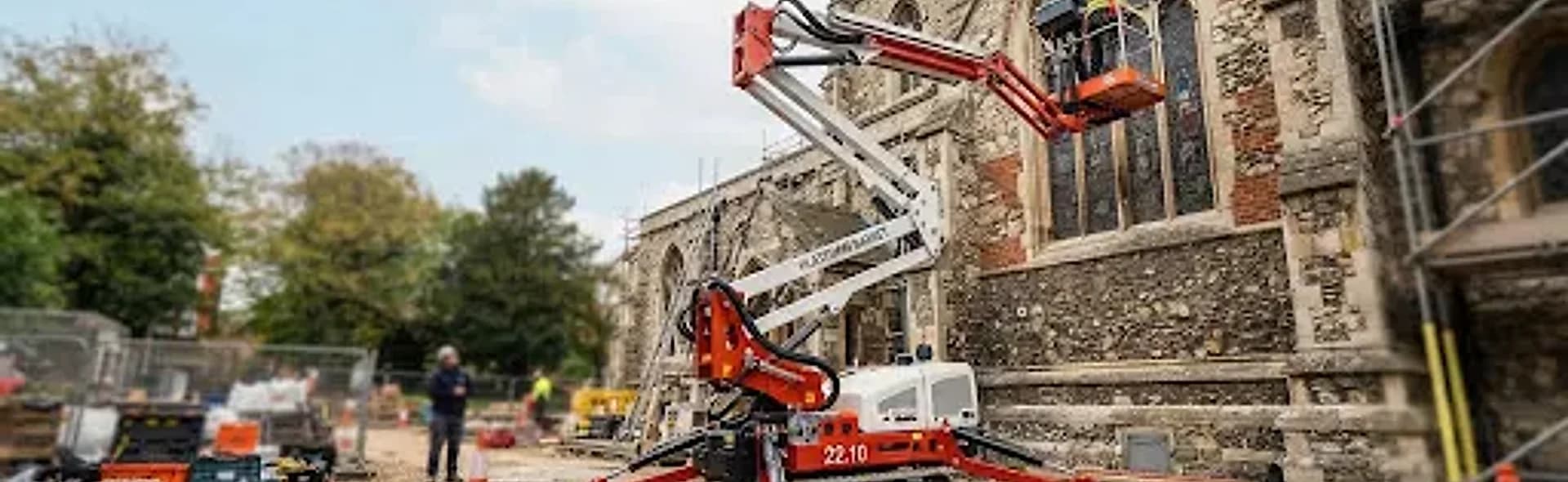
Spider Lift with Operator
A compact, tracked aerial lift with outriggers designed to travel through narrow-access areas and operate on lawns, slopes, and sensitive terrain. Spider lifts provide elevated access in locations conventional bucket trucks cannot reach. This service includes the lift and a qualified operator.
Wood and Debris Hauling
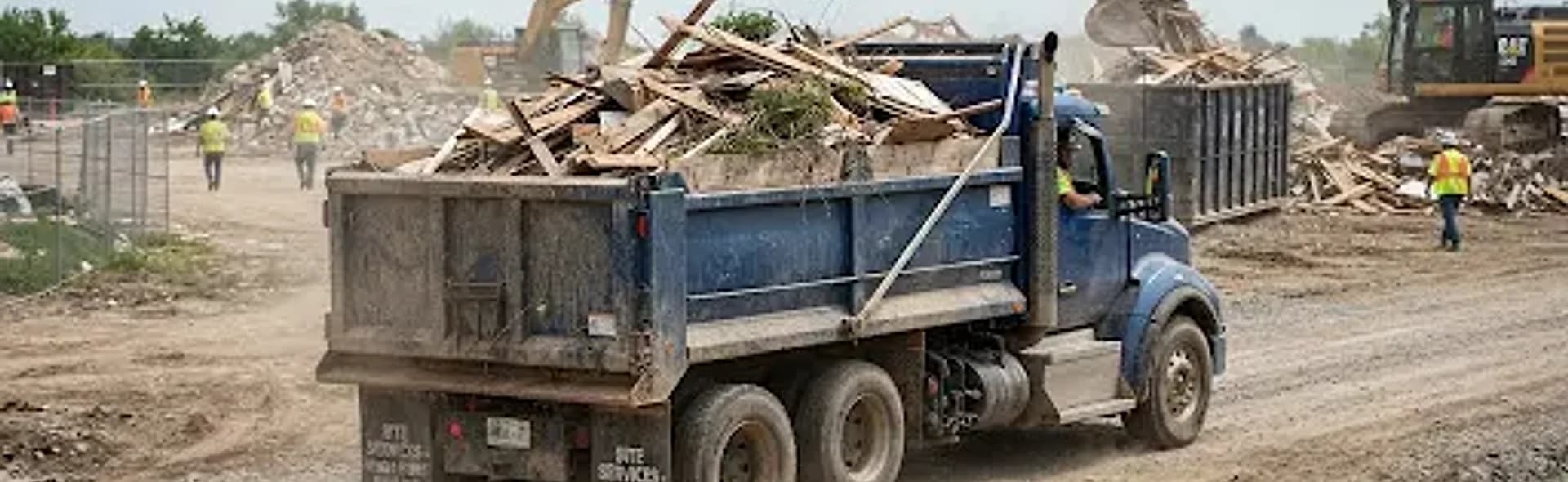
A hauling service for removing and transporting logs, brush, wood chips, tree sections, and other tree-related debris from a jobsite. This service may be offered independently from other tree care or equipment services.
Storm Response Crews
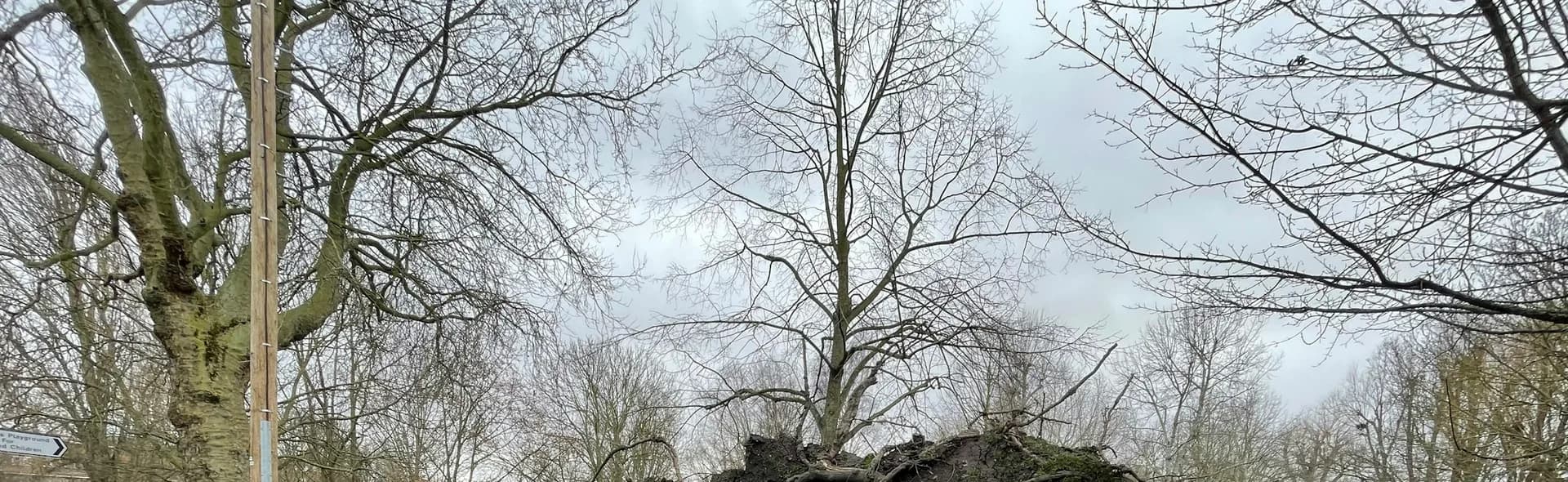
Crews available at short notice for storm work — clearing roads and access, removing trees off structures and vehicles, and supporting utility restoration. Storm work is its own discipline: hazardous trees under load, long shifts, and travel to the affected area, often for days at a time.
Contract Climber
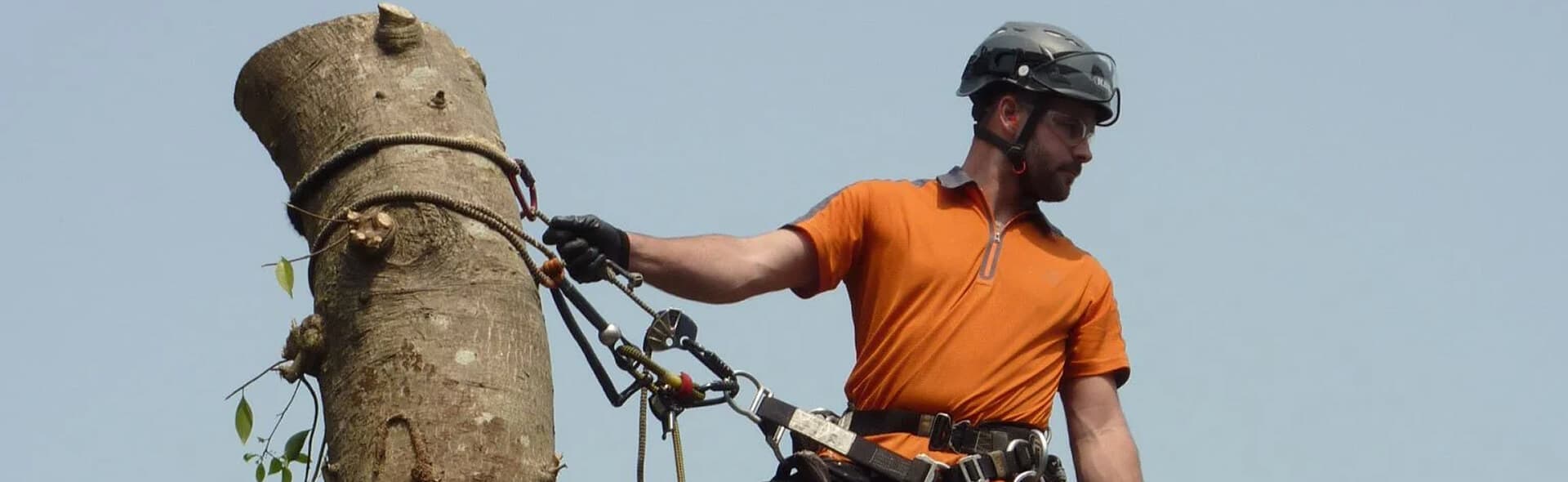
A skilled climbing arborist available to perform specialized tree pruning, technical removals, rigging, and other aerial tree work using rope and climbing systems.
Find Trusted Barge
Near You
Questions about Barge?
Need help finding the right help for your project? Our team is here to assist with any questions about barge and specialized services.