

Contract Climber
A contract climber is the crew member you hire by the day rather than employ by the year. They arrive with their own saddle, ropes and saws, climb the trees your crew can't reach or hasn't got time for, and leave when the work is done. For a company with more removals booked than climbers to do them, it is the difference between taking the work and turning it down.
 Contract Climber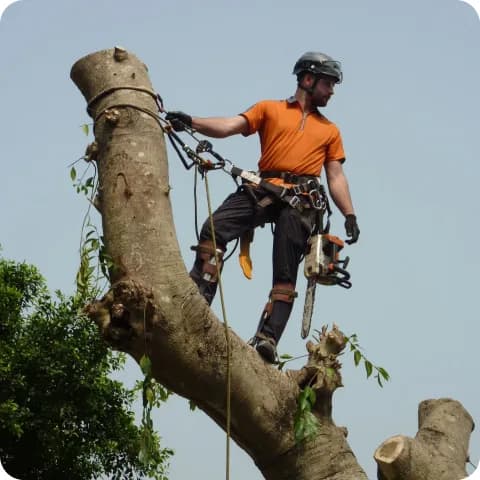
The work itself is the technical end of the trade: structural pruning, crown reduction and restoration, dismantles over structures, and rigging that has to be right the first time. It is judged on what doesn't happen — no dropped limb, no damaged roof, no injury — which is why experience is what companies actually pay for.
Post the job with the climbing your project needs and the crew size to cover it, and climbers whose service radius reaches you are notified straight away. You review who applies, look at their profiles and reviews, message them directly, and agree rates between yourselves. Treelign handles the introduction, not the money.
Companies hire contract climbers for three reasons, and they're worth separating. Capacity: more work booked than climbers to do it. Capability: a removal your crew can do but shouldn't, over a conservatory or beside a service line. And cover: someone is injured, on holiday, or has left, and the schedule doesn't care. The first is planned, the second is a judgement call, the third is Tuesday.
What you're paying for is what doesn't happen. Any climber can get into a tree; the difference is in the rigging plan, in reading which limbs will barber-chair, in knowing when a piece should be craned rather than lowered. Ask about the last removal they'd call difficult and why — the answer separates people who have climbed for ten years from people who have climbed one year ten times.
Contract climbers usually price by the day, sometimes by the job on larger removals, and the rate reflects that they're carrying their own insurance, gear and downtime. It's agreed directly between the two of you: Treelign runs no payments, takes no commission, and holds no escrow. Settle who supplies rigging and who is responsible for cleanup before the morning, because that's where most disputes start.
For climbers, this is the work that fills the gaps a single employer leaves. A profile listing your certifications, the equipment you own, your service radius and your rates is what puts you in front of companies who need someone this week — and the reviews from those jobs are what turn a first booking into a standing arrangement through the slow season.
Every provider sets their own service radius, so the results you see are people who genuinely cover your area rather than everyone in the state. Climbers can also add travel dates for periods they'll be working elsewhere, which is how a climber heading to a storm-hit region shows up in searches there before the local crews are booked out.
What a contract climber does on site
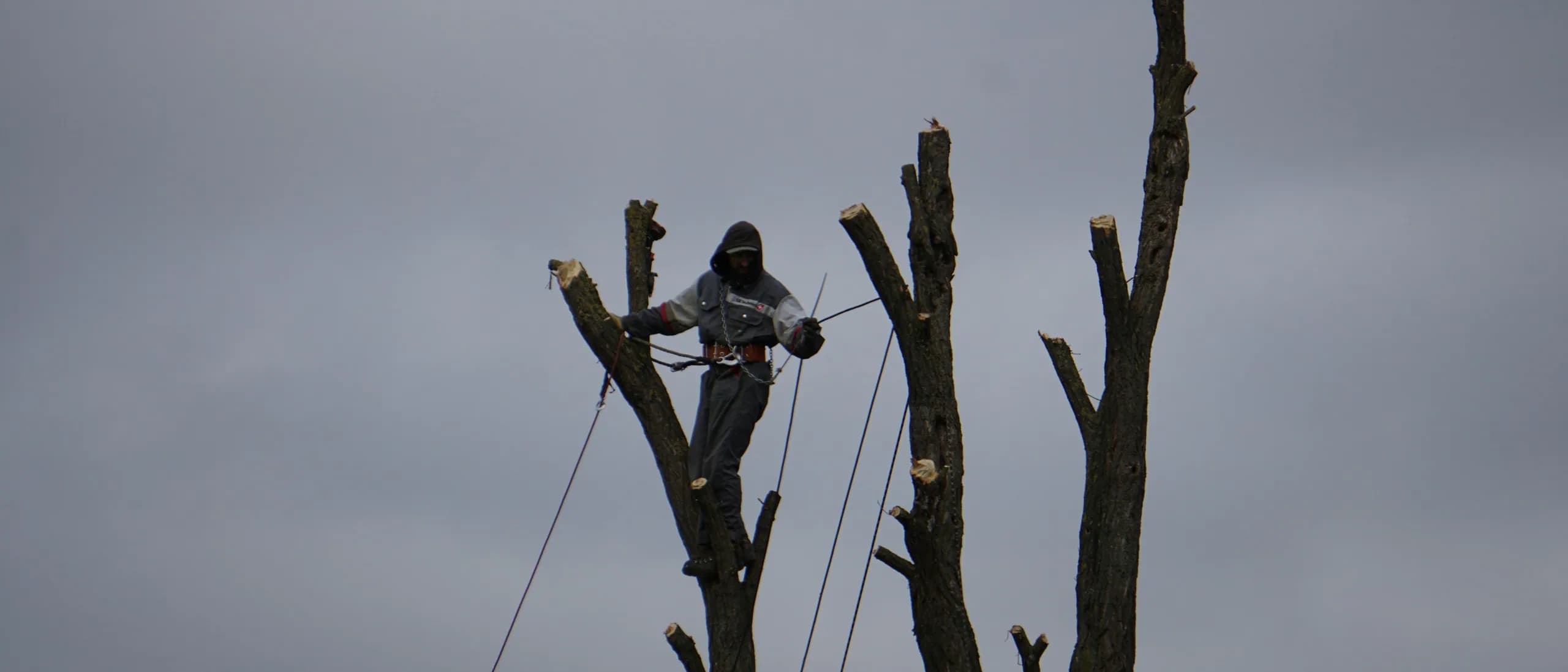
A contract climber arrives with their own saddle, ropes, friction devices and saws, and takes on the aerial half of the job. On a removal that means planning the dismantle, setting rigging points, and taking the tree down in pieces sized for the drop zone and the rigging available. On a pruning job it means branch selection in the canopy, where the decisions are made and cannot be undone.
Access method is the first decision. Rope and saddle from a throwline, a spur climb on a removal, or working from a lift if one is on site — each suits different trees, and an experienced climber picks by the work rather than by habit. Spurs on a tree that is being kept is the classic sign of someone who does not.
The rest of the day is coordination with the ground. A climber who cannot communicate a rigging plan clearly is dangerous regardless of technical skill, because everything they cut is landing where someone else is standing.
Certifications, insurance and equipment
ISA Certified Arborist is the common credential, and a Certified Tree Worker Climber Specialist qualification is the one specific to this work. Neither is legally required in most places, which is exactly why they are worth asking about — they are the only external check on someone's claim of competence.
Insurance matters more than certification and is asked about less. A self-employed climber should carry their own liability cover, and you should know whether your policy extends to a subcontractor before they leave the ground. Get the certificate, not the assurance.
On equipment, assume the climber brings saddle, ropes, hardware and personal saws, and that you supply rigging gear, the chipper and the trucks. Say so explicitly in the job posting anyway — turning up expecting the other party to have brought the rigging block is the most common first-day friction in this trade.
What hiring a contract climber costs
Day rates are the norm, and they reflect that the climber is carrying their own insurance, equipment depreciation, travel and unpaid downtime between bookings. A rate that looks high against an employee's hourly wage usually is not once those are counted.
Larger removals are sometimes priced by the job instead, which suits both sides when the scope is clear and suits neither when it is not. Half days exist but are uncommon, because travel and setup consume the same time regardless.
Whatever the basis, it is agreed directly between you and the climber. Treelign runs no payments, holds no escrow and takes no commission — so put the rate, the hours, who supplies what, and how overruns are handled in a message before the day rather than in an argument after it.
What goes wrong when hiring climbers
The commonest failure is a mismatch of expectations about ground support. A climber booked to climb, arriving to find they are also expected to drag brush and feed the chipper alone, will work slower than either party wanted and neither will be happy.
The second is scope drift on removals. Adding trees once the crew is on site adds hours that were never priced, and on a day rate that is fine, on a job price it is not. Agree what happens when the scope grows.
The third is unverified credentials. Anyone can own a saddle. Read the profile, read the reviews from previous Treelign jobs, ask for the certification and the insurance certificate, and treat a reluctance to provide either as the answer.
Hiring contract climbers on Treelign
Post the job with contract climber as a service and set the crew size to the number of climbers you need. Each service on a job carries its own crew size, so a job needing two climbers, three ground crew and a chipper is posted once and filled by whoever covers each part.
Climbers whose service radius reaches your job are alerted the moment it is posted, so applications typically arrive within minutes. You compare profiles, certifications and reviews, then message directly before committing to anything.
Browsing is public, so a climber can read the job before signing up. A free account is needed to apply, to message, or to see the exact address — the listing shows city and state until someone is hired, because a work site is somebody's property.
Frequently Asked Questions
What is a contract climber?

A skilled climbing arborist who works job to job rather than as an employee. They supply their own climbing kit and saws, and are hired for specific work — a technical removal, a week of pruning, or extra capacity when a crew is short. Some work as sole traders, others bring ground support with them.
Do contract climbers bring their own equipment?
Almost always their own climbing system, saddle, ropes and personal saws. Larger equipment — chipper, bucket truck, crane, rigging gear — is normally the hiring company's, though it varies. Say what you're supplying in the job description so nobody arrives expecting the other to bring the chipper.
How many climbers can I hire for one job?
As many as the job needs. Each service on a job carries its own crew size, and that can be filled by one climber covering multiple days or several climbers working together. The service closes to new applications once its slots are full, while the rest of the job stays open.
How quickly can I find a climber?
Providers whose service radius covers your job are alerted as soon as it's posted, so applications often start arriving within minutes. How fast depends on how many climbers work your area and whether they're already committed — the same variables as ringing round, minus the ringing round.
What is Treelign?
Treelign is a hiring platform built specifically for the tree care industry. Tree service companies post jobs for the positions and equipment they need, and qualified tree professionals nearby are notified and can apply immediately. It connects companies with contract climbers, crane and bucket truck operators, stump grinders, trainers and other specialists — without cold calls or Facebook group posts. Browsing is public; a free account is needed to apply, message a provider, or see a job's exact address.
How is Treelign different from Facebook groups or general job boards?
General job boards and Facebook groups aren't built for tree work. Treelign is structured around the industry's actual positions and equipment, matches by service area, and notifies qualified professionals the moment a job is posted. Instead of broadcasting into a group and hoping the right climber sees it, you reach the people who do that specific work near you — and each service on a job carries its own crew size, so a job can be filled by several providers at once.
Related services

Climber with Ground Support
A contract climber accompanied by a qualified ground support person, providing a coordinated two-person team for climbing, rigging, debris handling, and cleanup.
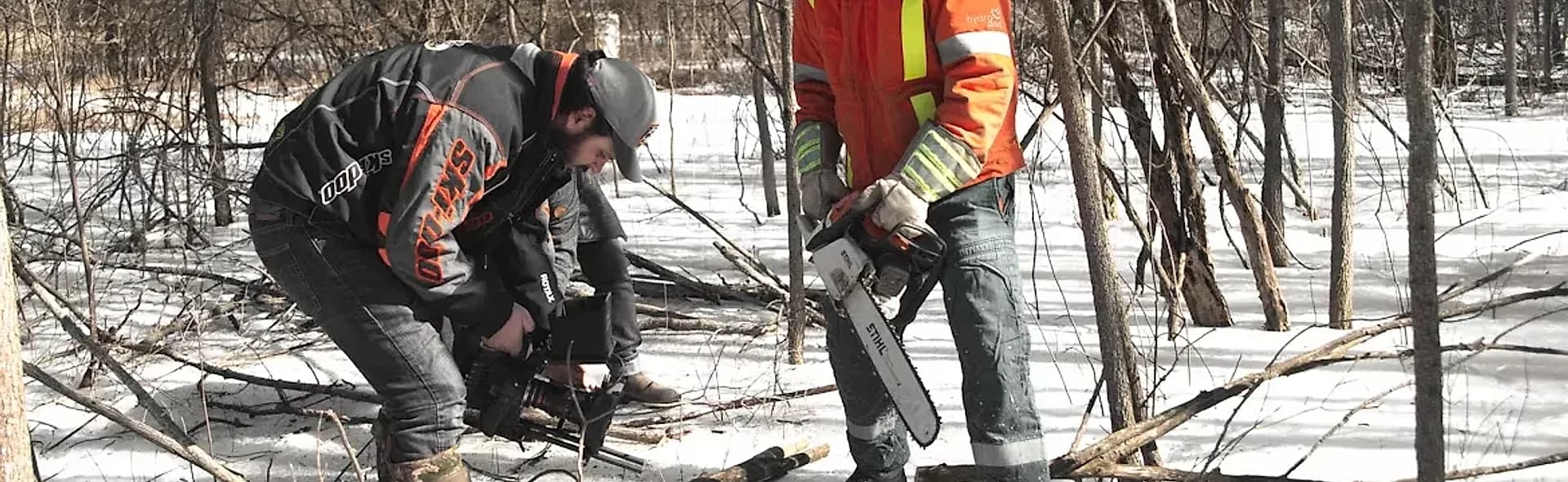
Ground Support
Experienced ground personnel available to assist with rigging, ropes, chainsaw work, chipping, moving tree debris, cleanup, and general support of aerial tree operations.
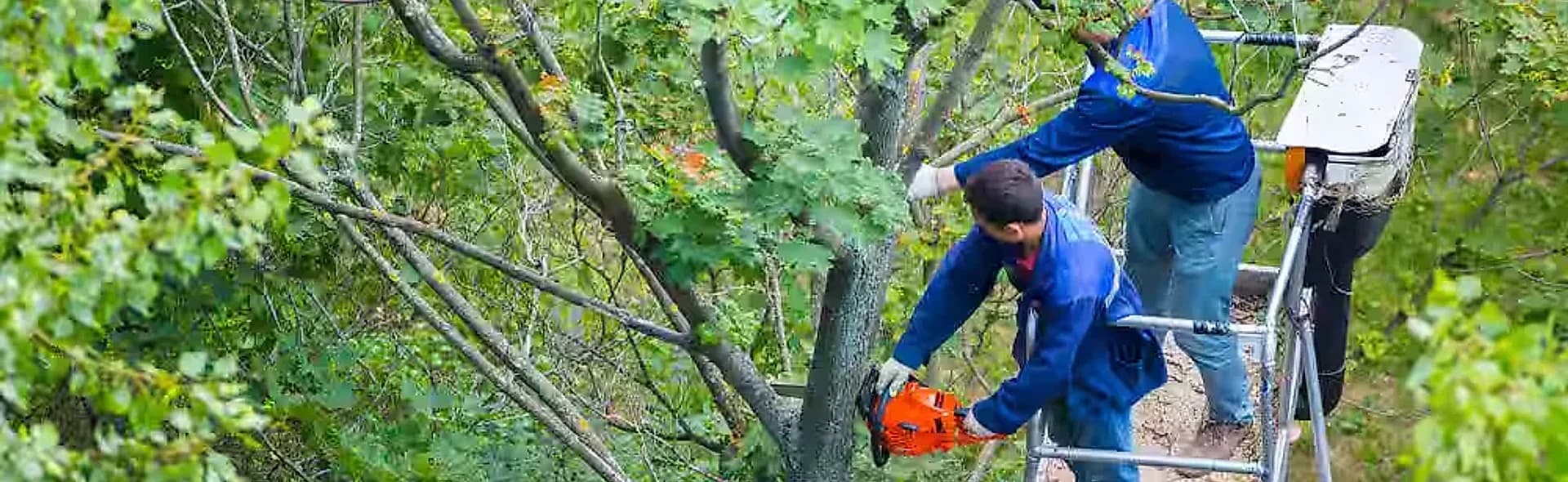
Tree Pruning Specialist
An experienced pruning arborist specializing in proper branch selection, structural pruning, crown reduction, restoration, clearance, tree preservation, and canopy management.

Safety, Aerial Rescue and Climbing Trainer
A trainer who builds and delivers a tree care company's safety programme and its hands-on climbing instruction — written policies and tailgate briefings, climbing systems and work positioning, rigging technique, and timed aerial rescue practice. Often a Certified Treecare Safety Professional (CTSP), engaged for a specific programme of training or kept on as an ongoing safety resource.
Find Trusted Contract Climber
Near You
Questions about Contract Climber?
Need help finding the right help for your project? Our team is here to assist with any questions about contract climber and specialized services.