
Consulting Arborist
A consulting arborist is hired for an opinion, not for the saw. Tree risk assessments, preservation plans for development sites, inventories, condition reports, appraisals of value, and specifications a contractor can be held to — the deliverable is a document, and it has to hold up when someone disagrees with it.
 Consulting Arborist
That's usually why they're needed. A neighbour dispute, a planning condition, an insurance claim, a construction project that will run its foundations through a root plate, or a duty-of-care question on a site with public access — all of them turn on a qualified, independent assessment written by someone who can defend it.
Post the job with what the report is for and what deadline it faces, and consulting arborists whose service radius covers the site are notified. Because the output is written work, expect a scoping conversation before anyone commits — what's being asked is what determines the effort.
The moments that call for one are usually adversarial or expensive: a neighbour dispute, a planning condition, an insurance claim after a failure, a purchase where the trees are a liability, a development whose foundations will run through a root plate, or a duty-of-care question on land the public crosses. In each, what's needed is an opinion that holds up when challenged.
Independence is what you're buying, and it's worth protecting. An assessor who also quotes for the remedial work they recommend is easy to discredit in exactly the situations these reports exist for. Ask what methodology they assess to, what their report will and won't conclude, and whether they've given evidence before — for a dispute, that last answer matters more than the rest.
Consulting work is priced by the hour, by the report, or as a day rate for site time plus writing, and testing equipment is usually charged separately. Scope drives everything: a single-tree condition report and a campus inventory are different orders of magnitude. Terms are agreed directly with the consultant.
For providers, consulting is where experience converts into fees without a saw, and demand comes from solicitors, insurers, planners and property managers as much as from tree companies. List your qualifications, your report types, whether you undertake decay detection or aerial inspections, and whether you accept instruction as an expert witness.
Reports travel further than crews do — a consultant will cover a much wider area than a climbing outfit, because a site visit and a desk are all it takes. Set your radius accordingly, and note in your profile if you take instructions nationally for specialist work.
What a consulting arborist produces
The deliverable is a document: a tree risk assessment, a condition report, an inventory, a preservation plan for a development, an appraisal of value after damage, or a specification a contractor can be held to. The site visit is the input; the writing is the work.
A risk assessment follows a recognised methodology and separates three things — the likelihood of failure, the likelihood of impact, and the consequences — into a rated level of risk with recommended mitigation. That structure is what lets an owner demonstrate they assessed and acted reasonably.
A tree preservation plan for a construction site is more demanding: root protection areas, what may happen inside them, how services will be routed, and what supervision is required during works. It is written to be enforced.
Credentials, methodology and independence
Ask what methodology the assessment follows and what qualifications support it. A recognised risk-assessment qualification and membership of a consulting body are the usual markers, and for anything contentious, prior experience giving evidence matters more than either.
Independence is the asset you are buying. An assessor who also quotes for the remedial work they recommend has an obvious interest in recommending it, and that is the first thing a challenge will point at. For disputes, insurance and planning, keep the two separate.
Testing equipment — resistance drilling, tomography, aerial inspection — is charged separately and is not always warranted. A consultant who reaches for a decay detector on every tree is selling equipment time.
What consulting work costs
Hourly rates, per-report fees or a day rate plus writing time are all common. Scope is what drives the number: a single-tree condition report and a full campus inventory differ by an order of magnitude, and so does a report written for a neighbour dispute versus one written for a planning submission.
Expert witness work prices differently again, and reasonably so — it carries the obligation to defend the opinion in a formal setting.
Agree the deliverable, the deadline and the fee basis in writing before the site visit. Treelign carries no payments and holds nothing in escrow; the arrangement is entirely between you and the consultant.
When you need a report and when you do not
You need one when someone else will scrutinise the decision: a planning authority, an insurer, a court, a buyer, or a claimant. In those situations an undocumented judgement, however sound, is worth very little.
You also need one when the duty of care is real — trees over a public footpath, a car park, a school boundary — and nobody has assessed them on a defined cycle. The report is the record that the duty was discharged.
You do not need one to decide whether a dead tree should come down. If the question has an obvious answer and nobody is going to challenge it, hiring a consultant to write it down is a cost without a benefit.
Hiring a consulting arborist on Treelign
Post the job with what the report is for, how many trees, and the deadline it faces — those three facts determine the effort and therefore the quote. Consultants whose service radius covers the site are alerted immediately.
Expect a scoping conversation before anyone commits. On consulting work, the exchange that defines the deliverable is part of the service, and a consultant who quotes without it is quoting for a report they have imagined.
Reports travel further than crews do, so a consultant may cover a much wider area than a climbing outfit — including specialists who take instructions well outside their home region. Fees are agreed directly with them.
Frequently Asked Questions
When do I need a consulting arborist?

When you need a defensible written opinion: risk assessment on trees over a public area, a preservation plan for a development, a condition report before purchase, an appraisal of value after damage, or an expert opinion for a dispute or insurance claim. If you need work done rather than assessed, hire a working arborist instead.
What is a tree risk assessment?
A structured evaluation of the likelihood of failure, the likelihood of hitting something or someone, and the consequences if it does — producing a rated level of risk and recommended mitigation. Done to a recognised methodology, it's what allows a property owner to show they assessed and acted reasonably.
Can a consulting arborist also do the work they recommend?
Sometimes, but there's an independence question. If the report is for a dispute, an insurer or a planning authority, an assessor who also quotes for the work they recommended is easy to challenge. For straightforward condition reports it matters less — decide which situation you're in before you hire.
How long does a report take?
It depends on scope: a single-tree condition report is quick, a full inventory of a campus or a preservation plan for a development is not. Site access, the number of trees and whether testing is needed all drive it. Agree the deliverable, the deadline and the fee in writing before work starts.
What is Treelign?
Treelign is a hiring platform built specifically for the tree care industry. Tree service companies post jobs for the positions and equipment they need, and qualified tree professionals nearby are notified and can apply immediately. It connects companies with contract climbers, crane and bucket truck operators, stump grinders, trainers and other specialists — without cold calls or Facebook group posts. Browsing is public; a free account is needed to apply, message a provider, or see a job's exact address.
How is Treelign different from Facebook groups or general job boards?
General job boards and Facebook groups aren't built for tree work. Treelign is structured around the industry's actual positions and equipment, matches by service area, and notifies qualified professionals the moment a job is posted. Instead of broadcasting into a group and hoping the right climber sees it, you reach the people who do that specific work near you — and each service on a job carries its own crew size, so a job can be filled by several providers at once.
Related services

Tree Planting / Transplanting
Installing new trees and relocating established ones — siting, digging, setting at the correct depth, backfilling, staking, mulching and the aftercare that decides whether the tree survives its first two seasons. Covers single specimen trees, replacement planting after removals, and larger installation contracts.
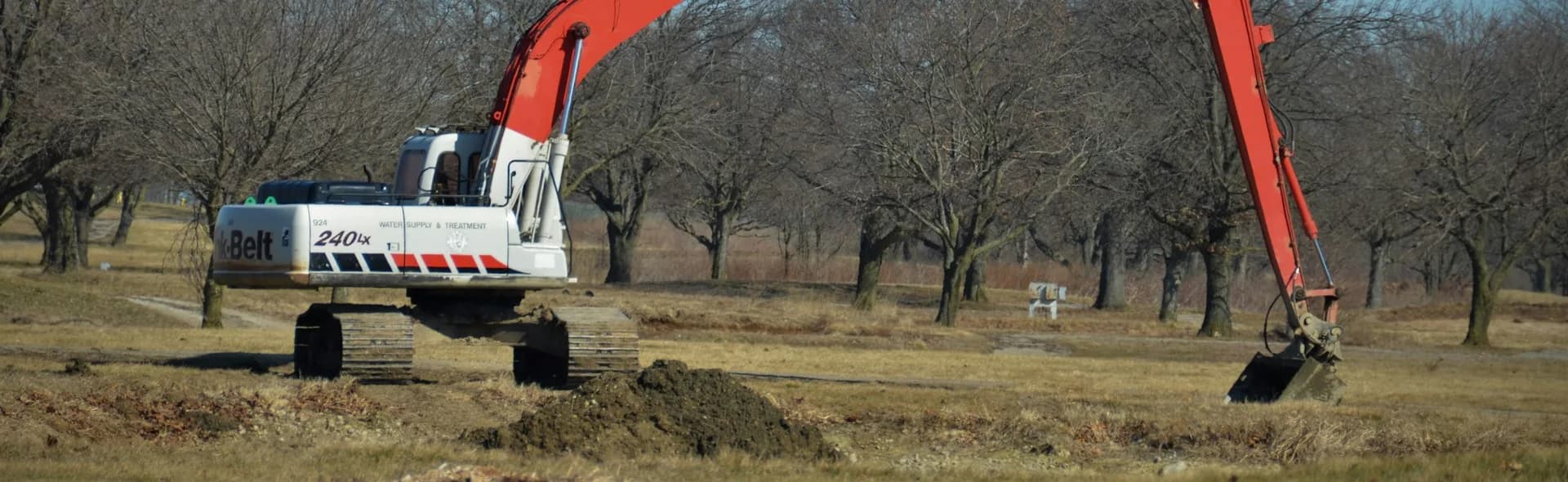
Tree Spade with Operator
A truck- or skid-mounted spade that lifts an established tree with its root ball intact so it can be moved and replanted. Sized by blade diameter, which sets the largest tree the machine can take. This service includes the spade and a qualified operator.

Plant Health Care Specialist
A tree care professional providing tree and shrub diagnosis, pest and disease management, soil and root care, treatments, and other services intended to support plant health.
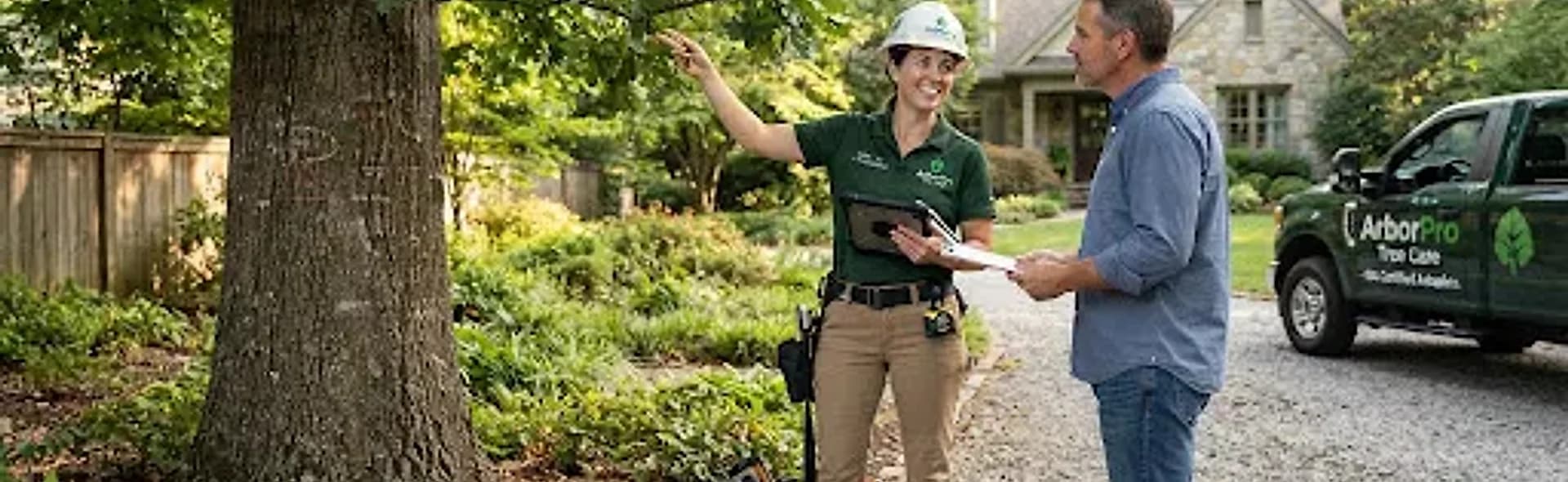
Sales and Estimating Arborist
An experienced arborist available to meet with clients, evaluate tree care needs, develop appropriate work recommendations, prepare estimates and proposals, and assist with job planning.
Find Trusted Consulting Arborist
Near You
Questions about Consulting Arborist?
Need help finding the right help for your project? Our team is here to assist with any questions about consulting arborist and specialized services.