
Plant Health Care Specialist
Most trees that die on a property don't die of what the owner thinks. Decline is usually a chain — a root system damaged by construction years earlier, soil compacted to the point where water won't move through it, then a pest or pathogen that finishes off a tree already weakened. Plant health care is the discipline of finding the actual cause rather than treating the symptom.
 Plant Health Care Specialist
The work runs from diagnosis and soil testing through targeted treatment, root collar excavation, decompaction and fertility correction, to ongoing monitoring programmes. It is the part of tree care that keeps trees rather than removing them, and it usually costs a fraction of replacing what's lost.
Post the job with what you're seeing — species, symptoms, when they started, and what's changed on the site — and plant health care specialists whose radius covers you are notified. Photographs help enormously; most diagnostic conversations start with them.
The usual prompts are a tree thinning from the top down, leaves that colour or drop early, a flush of growth that never hardens off, mushrooms at the base, or a row of trees where one is failing and the rest aren't. Construction on the site in the last five years is the single most useful piece of history you can offer, and the one owners rarely mention.
A good plant health care specialist starts underground. Compaction, grade changes, girdling roots and drainage explain far more decline than pests do, and someone who reaches for a spray before a soil probe is treating the symptom. Ask what they'd test, whether they excavate the root collar, and what they'd expect to see if the diagnosis is right — a specialist who commits to a prediction is one who's confident in the reading.
Diagnostic visits are usually a flat fee, with treatment and soil work priced separately and often across a season rather than a single visit. Monitoring programmes run annually. All of it is agreed directly with the provider; Treelign handles no payments.
For providers, plant health care is recurring revenue in an industry otherwise built on one-off jobs, and it's the service that lets a company keep a customer's tree instead of removing it. List your diagnostic approach, any licences you hold for treatment application, and whether you offer ongoing monitoring — those are what a company subcontracting this work is looking for.
Much of this work is seasonal, tied to pest life cycles and to when soil work is worth doing. Set a service radius that suits repeat visits rather than one-off calls, since a monitoring programme means returning several times a year.
How a diagnosis is actually made
A plant health care visit starts with history, not with the leaves. When did the symptoms start, what changed on the site, has there been construction, a grade change, a new drain, a different mowing regime? Most urban tree decline traces back to something done to the soil years earlier, and the tree is only now running out of reserves.
Then the root collar. Excavating it reveals girdling roots, planting depth, and decay that no amount of looking at the canopy will show. A specialist who does not want to dig is diagnosing the visible half of the tree.
Soil comes next — compaction, drainage, texture and, where it is warranted, a laboratory analysis for nutrients and pH. Pests and pathogens are checked last, because they are usually opportunists exploiting a tree that is already struggling rather than the original cause.
Treatments, and what they can and cannot fix
Soil work is the highest-value intervention: decompaction, organic matter, correct mulching out to the drip line, and removing whatever is causing the problem. It is slow and undramatic and it is what actually changes outcomes.
Targeted treatments for specific pests and pathogens work when timed to the organism's life cycle and applied by someone licensed to apply them. Applied on the wrong week they achieve nothing at real expense.
Nothing reverses advanced decay in a stem, root loss from excavation, or a tree planted six inches too deep for fifteen years. An honest specialist tells you when a tree is past treatment and the money is better spent on removal and replanting.
What plant health care costs
A diagnostic visit is usually a flat fee, sometimes credited against treatment. Soil analysis is charged separately. Treatment programmes are quoted per visit or as an annual programme, because most of them are a schedule rather than an event.
Monitoring is the part worth buying and the part most often cut. A tree under treatment needs looking at across seasons to know whether it is responding, and a programme without that is guesswork with an invoice attached.
Fees are agreed directly between you and the provider. Treelign carries no payments, so establish the visit schedule and what happens if the tree does not respond before the programme starts.
Signs a tree needs a specialist rather than a pruner
Thinning from the top down, early autumn colour, small leaves, dieback at branch tips, or a flush of growth that never hardens off are all systemic signals rather than structural ones. Pruning them off treats the symptom.
Fungal fruiting bodies at the base or on the stem indicate decay already established, and their identification matters — some are aggressive pathogens, others are decomposers on wood already dead. That distinction changes the recommendation entirely.
One tree failing in a row that is otherwise healthy usually points at something local: a buried service, a compacted access route, a changed water table. That is a diagnostic question, and it is worth answering before the next tree in the row starts.
Hiring plant health care on Treelign
Post the job with the species, the symptoms, when they started and what has changed on the site — plus photographs, which most diagnostic conversations begin with. Providers whose service radius covers you are alerted immediately.
Because this work recurs across a season, it suits providers who cover your area properly rather than travelling once. Profiles show licences held for treatment application, which is worth checking before messaging.
Fees are agreed directly with the provider, and a free account is what lets you message them or see the exact address of the site.
Frequently Asked Questions
What does plant health care cover?

Diagnosis of tree and shrub problems, pest and disease management, soil analysis and correction, root collar excavation, decompaction, fertility and mulching programmes, and monitoring over time. It's preventative and corrective care rather than pruning or removal, though it often informs both.
How do I know if a tree can be saved?
That's the diagnosis. It depends on how much of the root system and live crown remain, what the underlying cause is, and whether that cause can be corrected — a soil or drainage problem often can, advanced decay in the trunk usually can't. An honest specialist will tell you when removal is the better recommendation.
Is this the same as a consulting arborist?
They overlap but differ in output. A consulting arborist produces assessments, reports and expert opinion — often for legal, planning or insurance purposes. A plant health care specialist diagnoses and then treats. If you need a written report to rely on, hire a consulting arborist; if you need the tree treated, hire this.
How long do treatment programmes run?
Soil and root work is usually measured in seasons rather than visits, because you're changing growing conditions and then waiting for the tree to respond. Pest and disease treatments may be timed to a specific window in the pest's life cycle. Ask for the schedule up front so you know what you're committing to.
What is Treelign?
Treelign is a hiring platform built specifically for the tree care industry. Tree service companies post jobs for the positions and equipment they need, and qualified tree professionals nearby are notified and can apply immediately. It connects companies with contract climbers, crane and bucket truck operators, stump grinders, trainers and other specialists — without cold calls or Facebook group posts. Browsing is public; a free account is needed to apply, message a provider, or see a job's exact address.
How is Treelign different from Facebook groups or general job boards?
General job boards and Facebook groups aren't built for tree work. Treelign is structured around the industry's actual positions and equipment, matches by service area, and notifies qualified professionals the moment a job is posted. Instead of broadcasting into a group and hoping the right climber sees it, you reach the people who do that specific work near you — and each service on a job carries its own crew size, so a job can be filled by several providers at once.
Related services
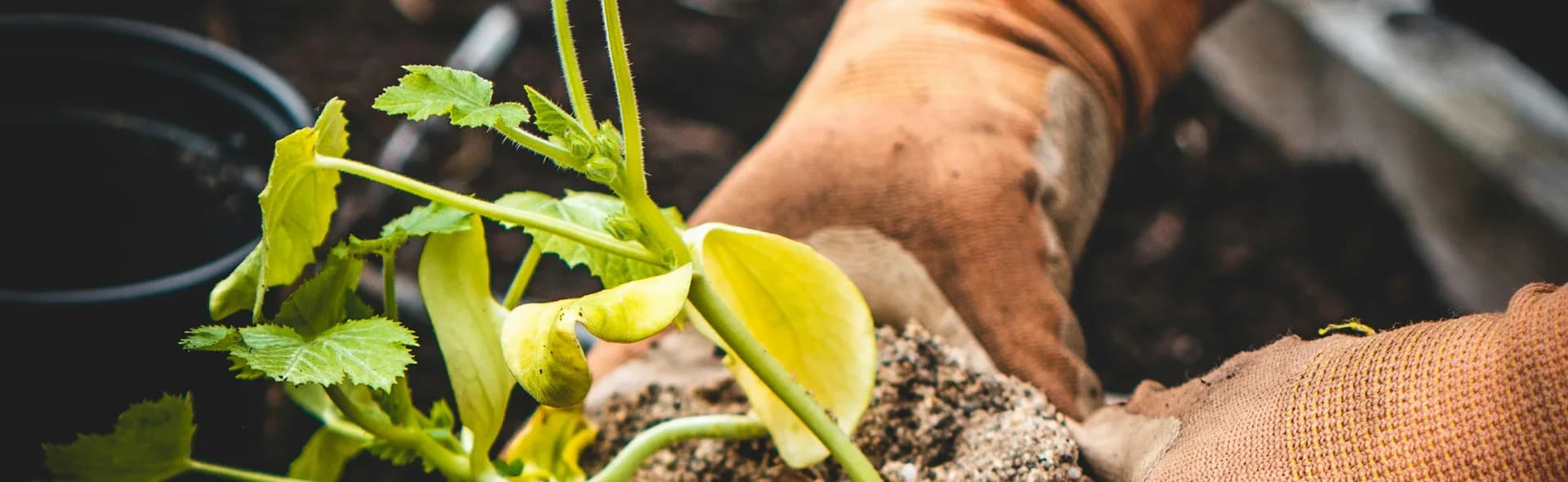
Tree Planting / Transplanting
Installing new trees and relocating established ones — siting, digging, setting at the correct depth, backfilling, staking, mulching and the aftercare that decides whether the tree survives its first two seasons. Covers single specimen trees, replacement planting after removals, and larger installation contracts.
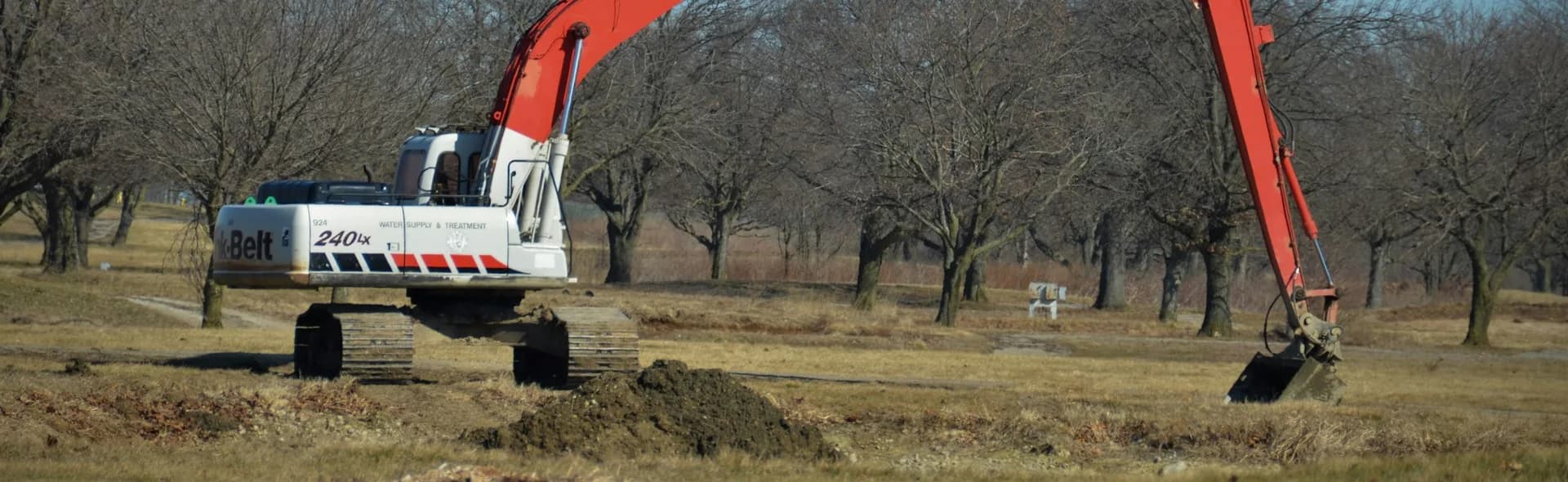
Tree Spade with Operator
A truck- or skid-mounted spade that lifts an established tree with its root ball intact so it can be moved and replanted. Sized by blade diameter, which sets the largest tree the machine can take. This service includes the spade and a qualified operator.
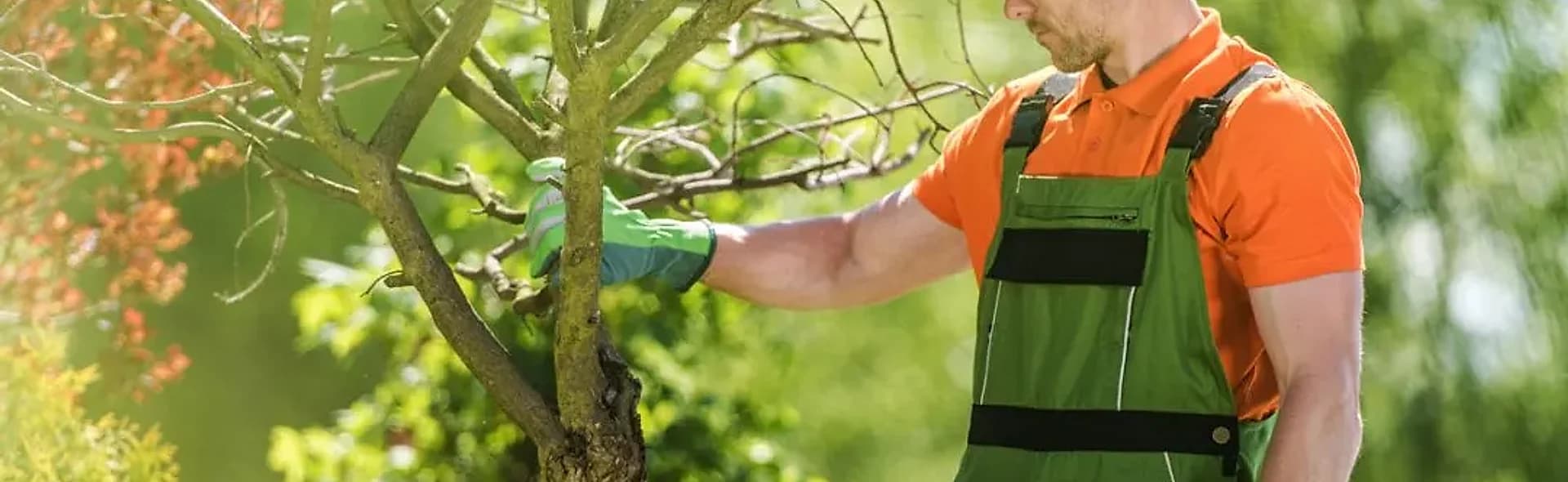
Consulting Arborist
A qualified arborist providing tree evaluations, risk assessments, preservation recommendations, inventories, written reports, appraisals, specifications, and other professional guidance.
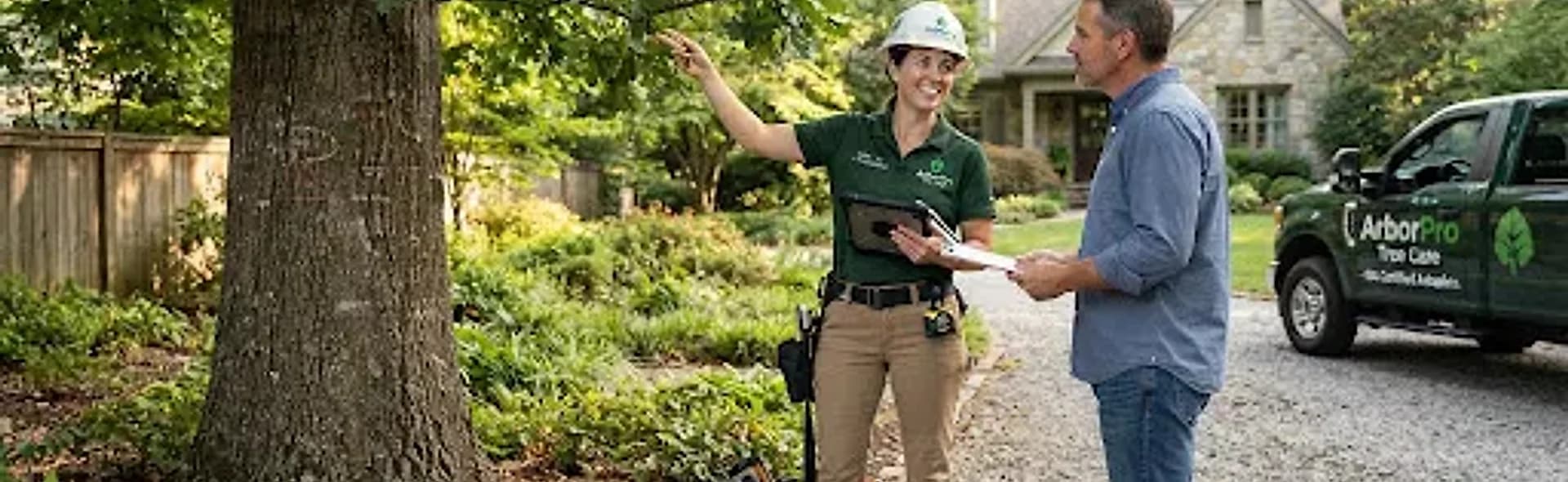
Sales and Estimating Arborist
An experienced arborist available to meet with clients, evaluate tree care needs, develop appropriate work recommendations, prepare estimates and proposals, and assist with job planning.
Find Trusted Plant Health Care Specialist
Near You
Questions about Plant Health Care Specialist?
Need help finding the right help for your project? Our team is here to assist with any questions about plant health care specialist and specialized services.