

Tree Spade with Operator
A tree spade moves a living tree. Hydraulic blades close around the trunk, cut a cone of soil, and lift the tree out with its root ball intact so it can be set into a prepared hole elsewhere. Done at the right time of year, with the right ratio of blade size to trunk diameter, a mature tree can be relocated across a site — or across a county — and carry on growing.
 Tree Spade with Operator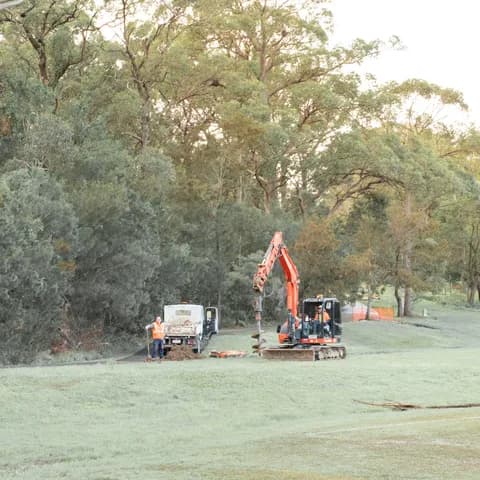
The constraint that governs everything is blade diameter. It sets the size of root ball the machine can take, and therefore the largest trunk it can safely move; too small a ball relative to the tree is the single most common reason a transplant fails a year later. Species, season and aftercare do the rest, which is why the operator's judgement matters as much as the machine.
Post the job with the tree's trunk diameter, species and both locations, and tree spade providers whose radius covers you are notified. Providers list the machine they run, so you can see the blade size before you message — the first question anyone will ask you anyway.
A tree spade earns its cost when the alternative is losing a tree that took twenty years to grow. Development that clips a corner of a mature planting, a landscape being rearranged rather than replaced, a nursery moving stock, a specimen a family wants to take with them — in each case the tree already exists, and buying its equivalent at that size costs many times what moving it does.
The judgement you're hiring for is whether a given tree should be moved at all. Species tolerance varies enormously, a tree stressed by drought or recent construction is a poor candidate whatever its size, and root systems that have spread under paving rarely come out whole. An operator who tells you a tree isn't worth moving has saved you the cost of watching it die in its new hole two summers later.
Pricing usually covers mobilisation plus a per-tree rate that scales with blade size, and moves within one site cost less than moves between two. Aftercare is the part that gets left out of quotes and decides outcomes, so establish who is watering, how often, and for how long. As with every service here, the terms are between you and the provider.
For providers, spade work is specialised enough that most tree companies have no idea who locally owns one. Landscapers, developers and nurseries all generate this work and none of them have a good way to find you. Put the blade diameter in your profile — it is the single specification that decides whether a caller's tree is even a candidate.
Transplanting is seasonal in a way most tree work isn't: dormancy governs it, so the calendar concentrates demand into two windows. Set your radius wide enough to catch a whole region during those weeks, and use travel dates when you're taking the machine somewhere for a project — you'll appear in searches at the destination while you're there.
How a tree spade move actually works
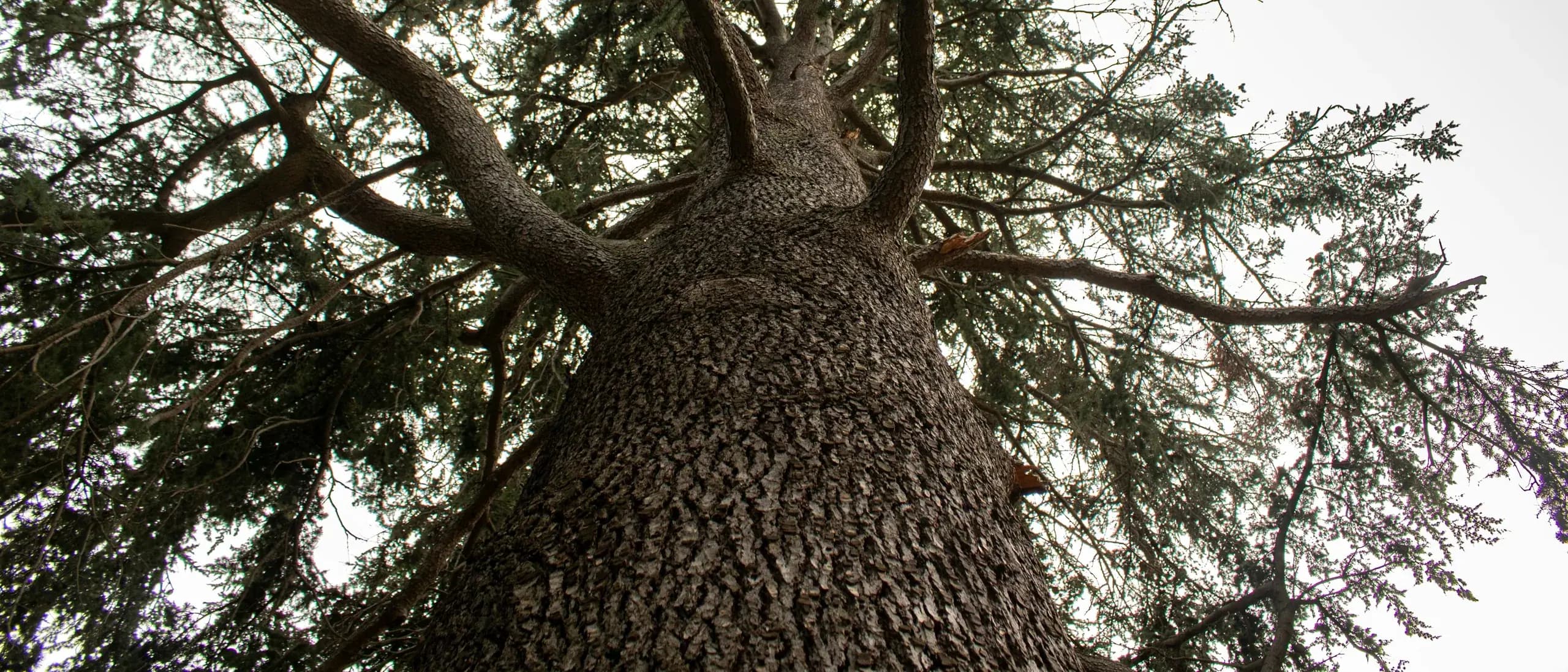
The receiving hole is dug first, with the same machine, so the two cones match exactly. That is the method's real advantage: a hand-dug hole never quite fits a machine-cut root ball, and the voids left around a mismatched ball are where roots dry out and fail.
The spade is then positioned around the tree, the blades are driven in one at a time, and the tree is lifted with its cone of soil intact. Moving it is the least interesting part; the tree travels on the machine, upright, for a short distance, or is transferred to a truck for a longer move.
Setting is where care shows. The tree goes in at the depth it grew at — not deeper — and is oriented the way it stood, with backfill firmed to eliminate voids without compacting the ball. Then it is watered in, and the watering does not stop for two years.
Blade size, root ball and which trees can move
Blade diameter sets everything. It determines the root ball, and the root ball determines the largest trunk that can be moved with a reasonable chance of survival — commonly reckoned at ten to twelve inches of ball for every inch of trunk caliper. A 90-inch spade therefore suits a trunk of roughly seven to nine inches, not whatever will physically fit between the blades.
Species tolerance varies enormously and is not intuitive. Some transplant readily at surprising sizes; others resent root disturbance and sulk for years or die. An operator who works your region knows which is which locally, and that knowledge is a large part of what you are hiring.
Site history matters as much as the tree. A specimen stressed by drought, recent construction, or a changed water table is a poor candidate whatever its size, and roots that have spread under paving or into a foundation will not come out whole. Honest operators decline these.
How tree spade work is priced
Expect mobilisation plus a per-tree rate that scales with blade size. Moves within a single site cost less than moves between two, because the machine travels loaded and slowly. A day of several moves on one property is usually the most economical way to buy this service.
Aftercare is priced separately when it is priced at all, and it is the line that decides outcomes. Establish who waters, how often, for how long, and what happens if the tree declines — a transplant guarantee is meaningful only if someone is responsible for the watering behind it.
Terms are agreed directly between you and the provider. Treelign carries no payments, so settle access requirements, ground protection and the timing window in writing before the machine is booked.
What goes wrong with transplanting
Too small a ball for the tree is the leading cause of failure, and it usually happens because someone wanted to move a bigger tree than the machine on site could properly take. The tree survives the move, leafs out weakly for a season, and dies in the second year when everyone has stopped watching.
Wrong season is the second. Dormancy exists for a reason: a tree in full leaf is transpiring hard and cannot replace what a cut root system no longer supplies. Some species and regions allow a wider window, but 'we needed it done in July' is a bad reason.
The third is neglect after the fact. A correctly moved tree with an adequate ball, set at the right depth, still dies without water through two growing seasons. This is the least technical part of the job and the one that most often goes wrong.
Hiring a tree spade on Treelign
Post the job with the trunk caliper, the species, and both locations — origin and destination. Providers whose radius covers you are alerted, and their profiles list the blade size, which is the first thing anyone will ask and the fact that decides whether your tree is a candidate at all.
If the move is part of a larger landscape job, post planting or hauling as separate services on the same job. Each carries its own crew size and fills independently.
Because transplanting concentrates into the dormant season, providers often set wide service radii and use travel dates during those weeks — so the machine you need may be one that is visiting your area rather than based in it. Rates are agreed directly with them.
Frequently Asked Questions
How big a tree can a tree spade move?

It follows the blade diameter, which sets the root ball. A common rule of thumb is around ten to twelve inches of ball diameter for every inch of trunk caliper, so a 90-inch spade suits a trunk of roughly seven to nine inches. Larger trees are possible with larger machines, but the ratio is what keeps the tree alive, not ambition.
What time of year should a tree be moved?
Dormancy is the usual answer — late autumn through early spring in most climates — because the tree is losing least to transpiration while its roots recover. Some species and some regions allow a wider window. Ask the operator: they move trees in your area for a living and will know what survives locally and what doesn't.
Does the spade dig the receiving hole too?
Usually yes, and that is part of why the method works — the same machine cuts a hole of exactly matching shape, so the ball seats properly with no voids. Confirm it in the job, along with who is responsible for backfill, staking, mulch and watering afterwards.
What decides whether a transplant succeeds?
Root ball size relative to the trunk, timing, and aftercare — particularly watering through the first two growing seasons. A tree moved correctly and then left dry will still die. If you're the one commissioning the move, agree who is watering it and for how long before the machine ever arrives.
What is Treelign?
Treelign is a hiring platform built specifically for the tree care industry. Tree service companies post jobs for the positions and equipment they need, and qualified tree professionals nearby are notified and can apply immediately. It connects companies with contract climbers, crane and bucket truck operators, stump grinders, trainers and other specialists — without cold calls or Facebook group posts. Browsing is public; a free account is needed to apply, message a provider, or see a job's exact address.
How is Treelign different from Facebook groups or general job boards?
General job boards and Facebook groups aren't built for tree work. Treelign is structured around the industry's actual positions and equipment, matches by service area, and notifies qualified professionals the moment a job is posted. Instead of broadcasting into a group and hoping the right climber sees it, you reach the people who do that specific work near you — and each service on a job carries its own crew size, so a job can be filled by several providers at once.
Related services
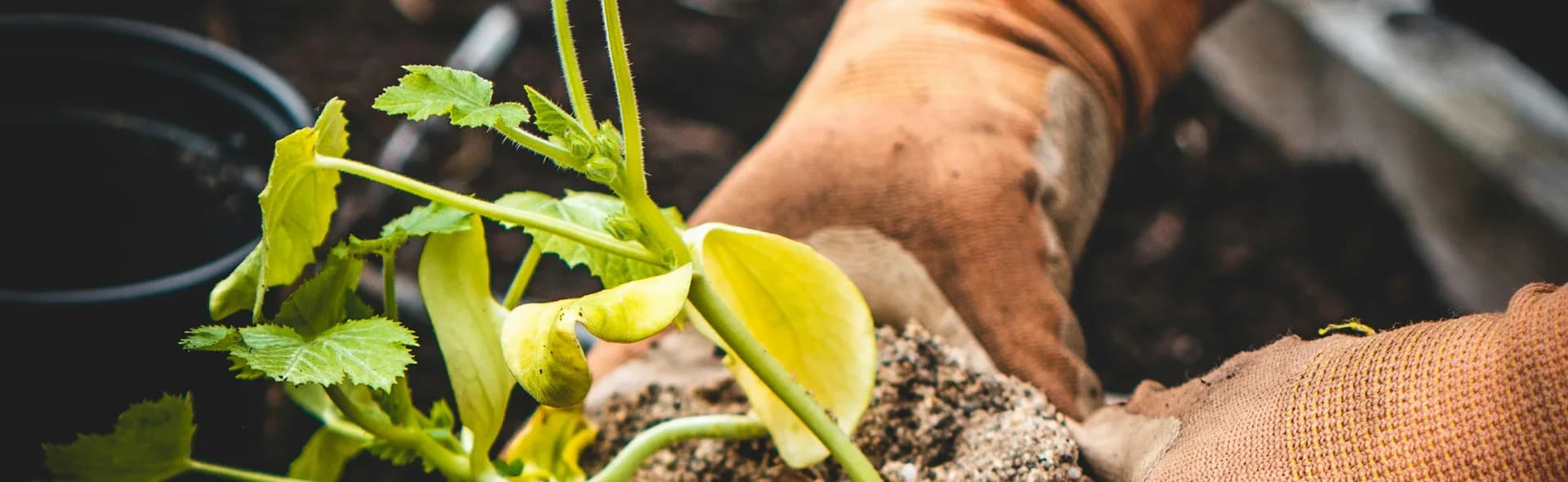
Tree Planting / Transplanting
Installing new trees and relocating established ones — siting, digging, setting at the correct depth, backfilling, staking, mulching and the aftercare that decides whether the tree survives its first two seasons. Covers single specimen trees, replacement planting after removals, and larger installation contracts.

Plant Health Care Specialist
A tree care professional providing tree and shrub diagnosis, pest and disease management, soil and root care, treatments, and other services intended to support plant health.
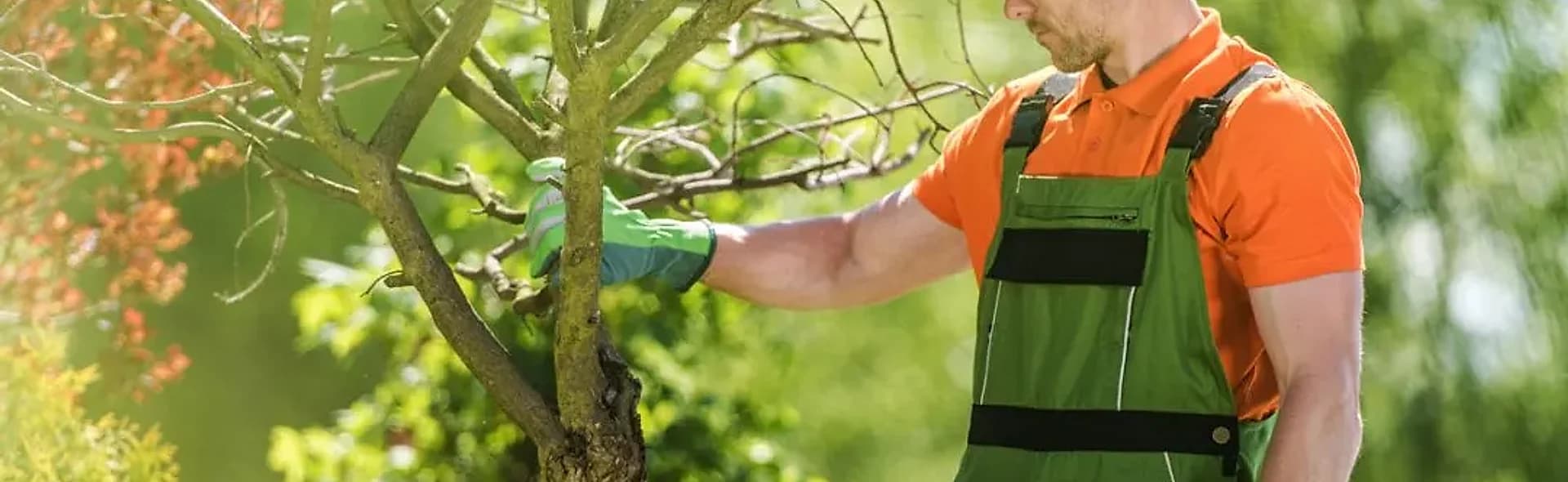
Consulting Arborist
A qualified arborist providing tree evaluations, risk assessments, preservation recommendations, inventories, written reports, appraisals, specifications, and other professional guidance.
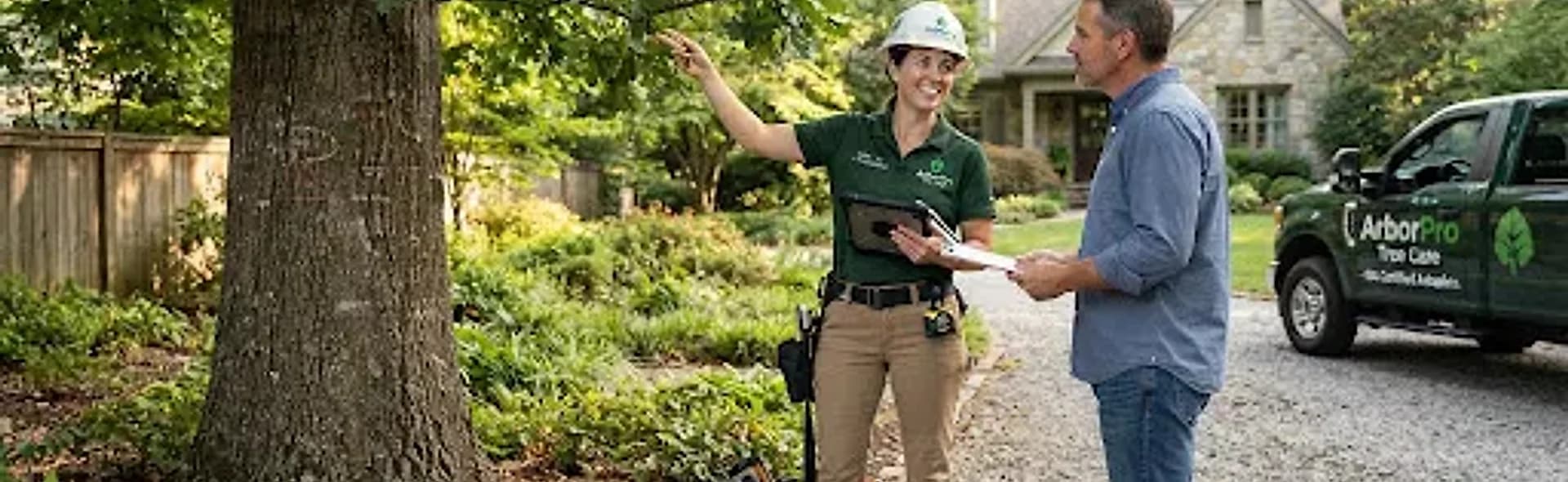
Sales and Estimating Arborist
An experienced arborist available to meet with clients, evaluate tree care needs, develop appropriate work recommendations, prepare estimates and proposals, and assist with job planning.
Find Trusted Tree Spade with Operator
Near You
Questions about Tree Spade with Operator?
Need help finding the right help for your project? Our team is here to assist with any questions about tree spade with operator and specialized services.