

Tree Planting / Transplanting
Planting a tree is easy. Planting a tree that is still alive in five years is a skill. Depth, root flare, backfill, staking, mulch and the watering regime through the first two seasons decide the outcome far more than the species does, and the failures are all avoidable: planted too deep, staked too tight, mulched into a volcano against the trunk, watered enthusiastically for a fortnight and then forgotten.
 Tree Planting / Transplanting
The work covers more ground than single specimen trees. Replacement planting after removals, transplanting established trees, mitigation planting required by a permit, and larger installation contracts all sit here — and all of them are judged years later, which is exactly why they're worth giving to someone who plants for a living.
Post the job with the number and size of trees, whether they're bare root, balled and burlapped or containerised, and what the site is like, and planting providers whose radius covers you are notified. Larger established trees may need a tree spade as well: post it as a second service on the same job and both get filled.
Planting work arrives from several directions: replacement after a removal, mitigation a permit requires, a development's landscape schedule, a municipality's street-tree programme, or a homeowner who has finally decided the garden needs shade. They differ in scale and paperwork but not in what decides success two summers later.
The questions worth asking a planting contractor are unglamorous ones. How do they find the root flare on nursery stock that's been potted too deep? Do they cut circling roots or plant them as delivered? Do they stake by default, and if so, when do the ties come off? A contractor with clear answers has been back to look at their own work; one without has planted a lot of trees and seen very few of them.
Pricing runs per tree, with size and access driving it — a 2-inch caliper tree wheeled across a lawn and the same tree carried through a house are different jobs. Aftercare is usually quoted separately and is the part most worth buying, because a correctly planted tree that goes unwatered still dies. Rates and any maintenance period are agreed directly between you and the provider.
For providers, planting is repeat work in a way removals never are. Developers, property managers, municipalities and landscape architects all plant on a schedule, and a contractor who does it properly gets called for the next phase. List whether you handle sourcing, whether you offer an establishment-period guarantee, and what sizes you're set up to install.
Planting has a season, and in most regions it is short and busy. Set your service radius for the distance a full day of installation justifies, and if you take on a large contract away from home, travel dates put you in front of everyone searching that area while the job runs.
How a tree gets planted properly
It starts by finding the root flare, which on nursery stock is frequently buried under several inches of media. Everything else depends on that: the flare sits at or slightly above finished grade, and a tree planted below it will decline slowly for years without anyone identifying why.
The hole is dug wide rather than deep — two to three times the root ball across, with sides scarified rather than glazed, and the base left undug so the ball sits on firm ground and does not settle. Container stock needs circling roots cut, not teased; balled-and-burlapped stock needs wire and burlap cut away from the top of the ball once it is set.
Backfill is the native soil, firmed to remove voids rather than compacted, then water applied to settle it. Mulch goes on as a wide, shallow ring pulled back from the trunk — never piled against it.
Stock types, staking and species choice
Bare root establishes fastest and is cheapest, with the narrowest planting window. Containerised is the most forgiving to handle and the most likely to carry circling roots. Balled-and-burlapped suits larger stock and is heavy enough that access dictates what is possible.
Staking is optional far more often than it is used. A tree that can flex builds stem taper and anchoring roots; a tree tied rigidly for years does neither. Where wind or vandalism demands it, ties should be loose, low and removed after a season.
Species selection is the decision with the longest consequences. Mature size against the space available, tolerance for the soil and drainage actually present, and a mix rather than a monoculture across a site — these are the choices a planting contractor should be pushing back on if the specification is wrong.
What planting costs
Priced per tree, driven by stock size and access. A 2-inch caliper tree wheeled across a lawn and the same tree carried through a house are different jobs, and larger stock needs machinery that changes the price step by step rather than smoothly.
Aftercare is quoted separately and is the part most worth buying. A correctly planted tree left unwatered still dies, so an establishment period with a defined watering schedule is the difference between a cost and an investment.
Guarantees exist and are only meaningful when paired with that maintenance. Agree rates, the aftercare period and what a guarantee actually covers directly with the provider — Treelign handles no payments.
Watering, and the first two years
A newly planted tree has a root system sized for a pot, in a hole sized for a tree. Until roots grow into the surrounding soil it can only drink from the ball, which dries far faster than the ground around it.
That means deep, infrequent watering directly over the root ball — not a lawn sprinkler, which wets the surface and encourages shallow rooting. Frequency depends on season, soil and species, and it continues through the second growing season.
Most planting failures are watering failures. If nobody on the site will own that schedule, buy it as part of the contract or expect losses.
Hiring tree planting on Treelign
Post the job with the number and size of trees, whether they are bare root, containerised or balled-and-burlapped, the site conditions and whether sourcing is included. Providers whose radius covers you are alerted immediately.
For larger established trees, post tree spade as a second service on the same job — each service carries its own crew size and fills independently, so the machine and the planting crew can come from different providers.
Profiles show whether a provider handles sourcing, offers an establishment guarantee, and what sizes they are set up to install. Rates are agreed directly with them.
Frequently Asked Questions
What does a tree planting service include?

Typically siting and marking, digging to the right width and depth, setting the tree with the root flare at grade, backfilling, staking where it's genuinely needed, and mulching correctly. Aftercare — especially watering — may or may not be included, so agree it explicitly rather than assuming, because it's the part that decides survival.
What is the difference between planting and transplanting?
Planting installs a nursery tree. Transplanting lifts an established tree already in the ground and moves it, which means taking as much root system as possible and accepting the tree will need years to recover what it loses. Transplanting anything of size usually calls for a tree spade, posted as its own service.
How deep should a tree be planted?
So the root flare — where the trunk widens into the roots — sits at or slightly above finished grade. Planting too deep is the most common cause of slow decline in young trees, and it is frequently already wrong in the nursery stock, so the flare often has to be found before the hole is dug. Ask a provider how they handle it; a good answer tells you a lot.
Can I hire a crew for a large planting contract?
Yes. Set the crew size for the planting service to the number of people the schedule needs, and it can be filled by one provider bringing a crew or by several providers together. Add hauling or equipment as separate services on the same job if the trees have to be moved around the site.
What is Treelign?
Treelign is a hiring platform built specifically for the tree care industry. Tree service companies post jobs for the positions and equipment they need, and qualified tree professionals nearby are notified and can apply immediately. It connects companies with contract climbers, crane and bucket truck operators, stump grinders, trainers and other specialists — without cold calls or Facebook group posts. Browsing is public; a free account is needed to apply, message a provider, or see a job's exact address.
How is Treelign different from Facebook groups or general job boards?
General job boards and Facebook groups aren't built for tree work. Treelign is structured around the industry's actual positions and equipment, matches by service area, and notifies qualified professionals the moment a job is posted. Instead of broadcasting into a group and hoping the right climber sees it, you reach the people who do that specific work near you — and each service on a job carries its own crew size, so a job can be filled by several providers at once.
Related services
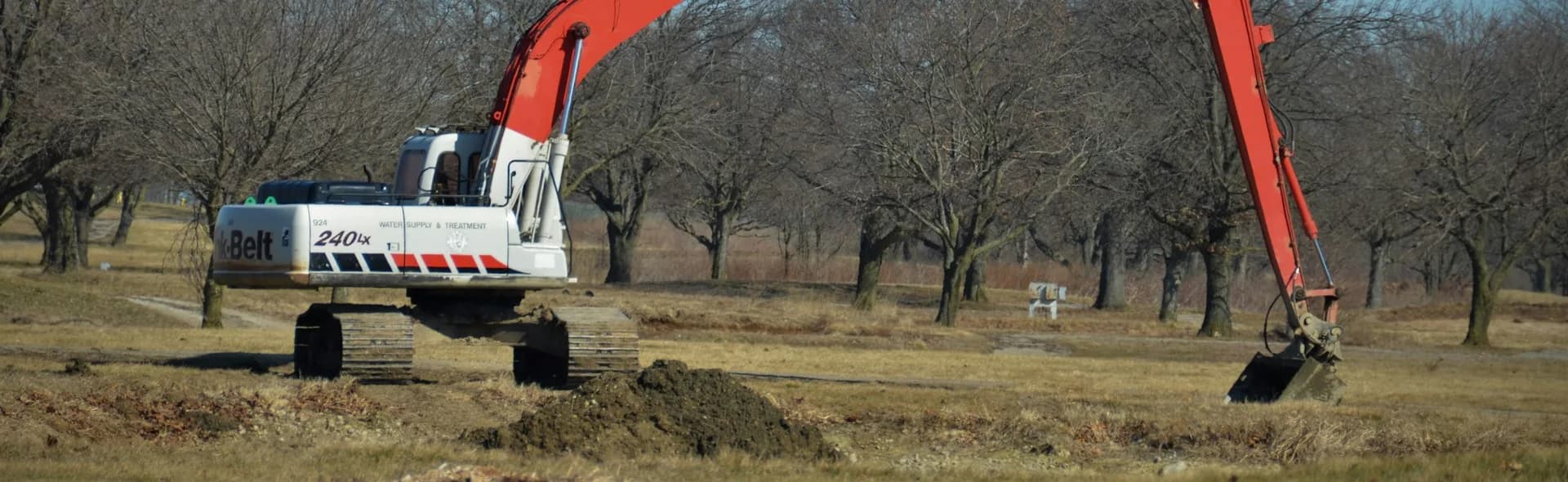
Tree Spade with Operator
A truck- or skid-mounted spade that lifts an established tree with its root ball intact so it can be moved and replanted. Sized by blade diameter, which sets the largest tree the machine can take. This service includes the spade and a qualified operator.

Plant Health Care Specialist
A tree care professional providing tree and shrub diagnosis, pest and disease management, soil and root care, treatments, and other services intended to support plant health.
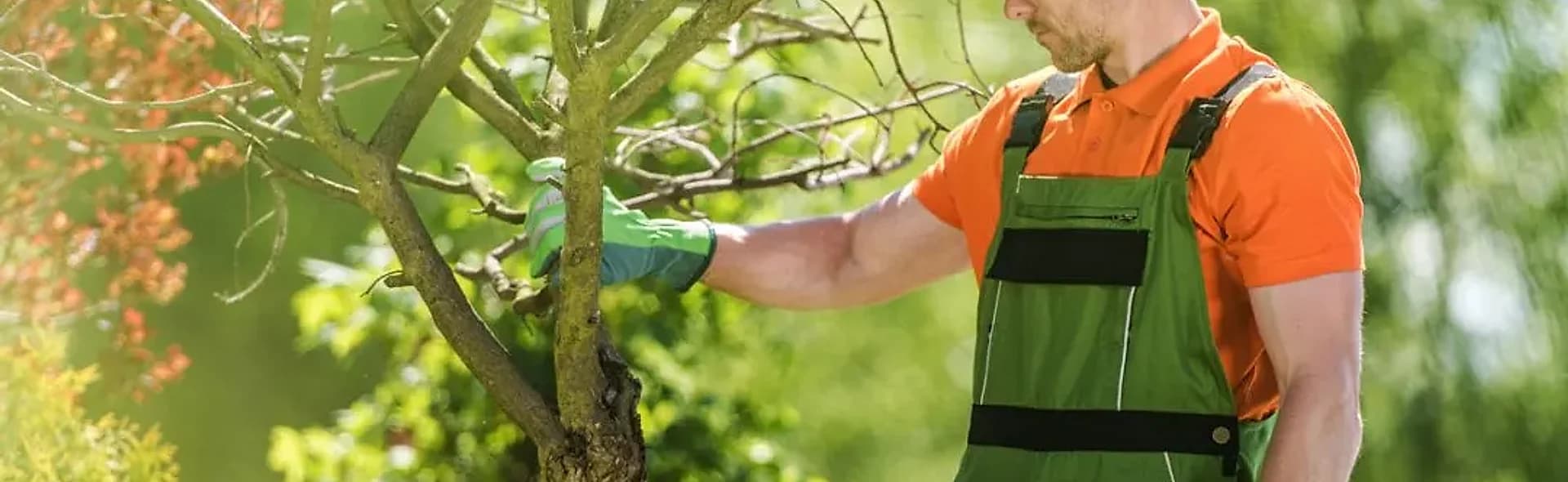
Consulting Arborist
A qualified arborist providing tree evaluations, risk assessments, preservation recommendations, inventories, written reports, appraisals, specifications, and other professional guidance.
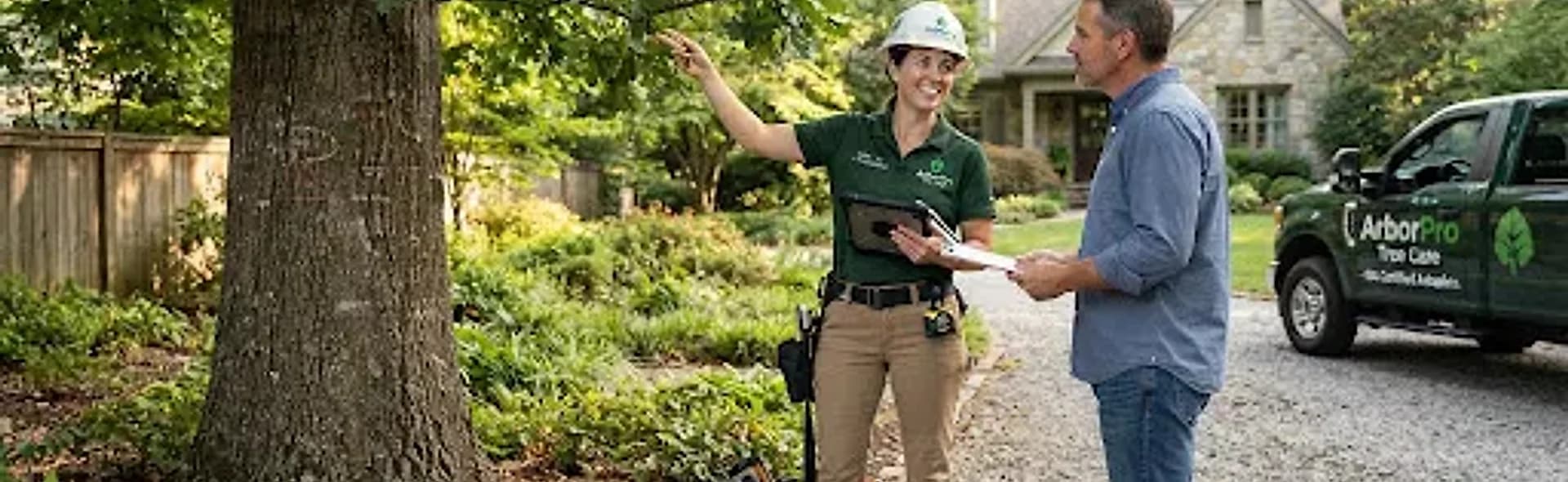
Sales and Estimating Arborist
An experienced arborist available to meet with clients, evaluate tree care needs, develop appropriate work recommendations, prepare estimates and proposals, and assist with job planning.
Find Trusted Tree Planting / Transplanting
Near You
Questions about Tree Planting / Transplanting?
Need help finding the right help for your project? Our team is here to assist with any questions about tree planting / transplanting and specialized services.