

Mini Skid Steer with Operator
A mini skid steer is what you hire when the machine has to get through a garden gate. Stand-on and walk-behind loaders are built around a width most full-sized machines cannot match — commonly in the three to four foot range — so they pass along side paths, through gateways and between a house and a fence, and reach back gardens that would otherwise be worked entirely by hand.
 Mini Skid Steer with Operator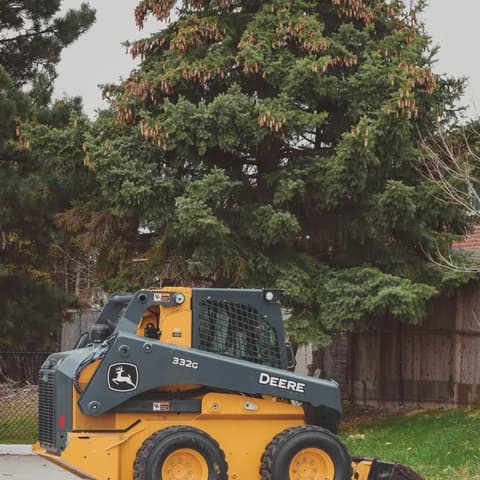
That is the whole proposition. Tree work generates far more material than anyone expects, and in a back garden every pound of it traditionally came out on a shoulder or in a barrow. A mini with a grapple turns a day of carrying into a couple of hours of driving, and it does it without the crew finishing the job too tired to do the next one properly.
On Treelign, mini skid steer work is offered by companies and owner-operators who set their own service radius and rates. Post the job with the access measurement and the work involved, and operators who cover your area are notified and can apply. You choose who to hire and agree terms directly with them — Treelign carries no payments and takes no cut.
They are gentler on the ground than their size suggests. A tracked mini spreads a comparatively light machine across a large contact patch, so ground pressure is low — often lower than a loaded wheelbarrow pushed along the same line, and considerably lower than the crew walking that line forty times. On lawns that a client cares about, that difference is the argument for hiring one.
The trade-off is throughput. A mini moves less per pass than a full-sized skid steer and works more slowly on open ground, so on a site with room for the bigger machine, the bigger machine is the better hire. The mini earns its place where the big machine simply cannot go — and on those sites it is the difference between a two-day job and a four-day one.
Attachments are the same idea at a smaller scale: grapple buckets, pallet forks, general buckets, augers, trenchers, and stump grinder heads on the larger units. Operators list what they carry, and on tight-access work the grapple is the one that matters, because picking up brush is nine-tenths of what the machine is there to do.
For owner-operators, a mini is often the most rentable machine in the yard precisely because it fits where nothing else does. Companies with their own full-sized loader still hire one for the back-garden jobs, which makes this steady subcontract work rather than an occasional call. A profile listing width, attachments and radius is what makes it findable.
Providers set their own service area, and can add travel dates when working away from home — during those dates they appear in searches at that destination for the services they have brought with them. If you are taking a mini to a region for a fortnight, adding the dates is how the work there finds you.
Where a mini earns its keep
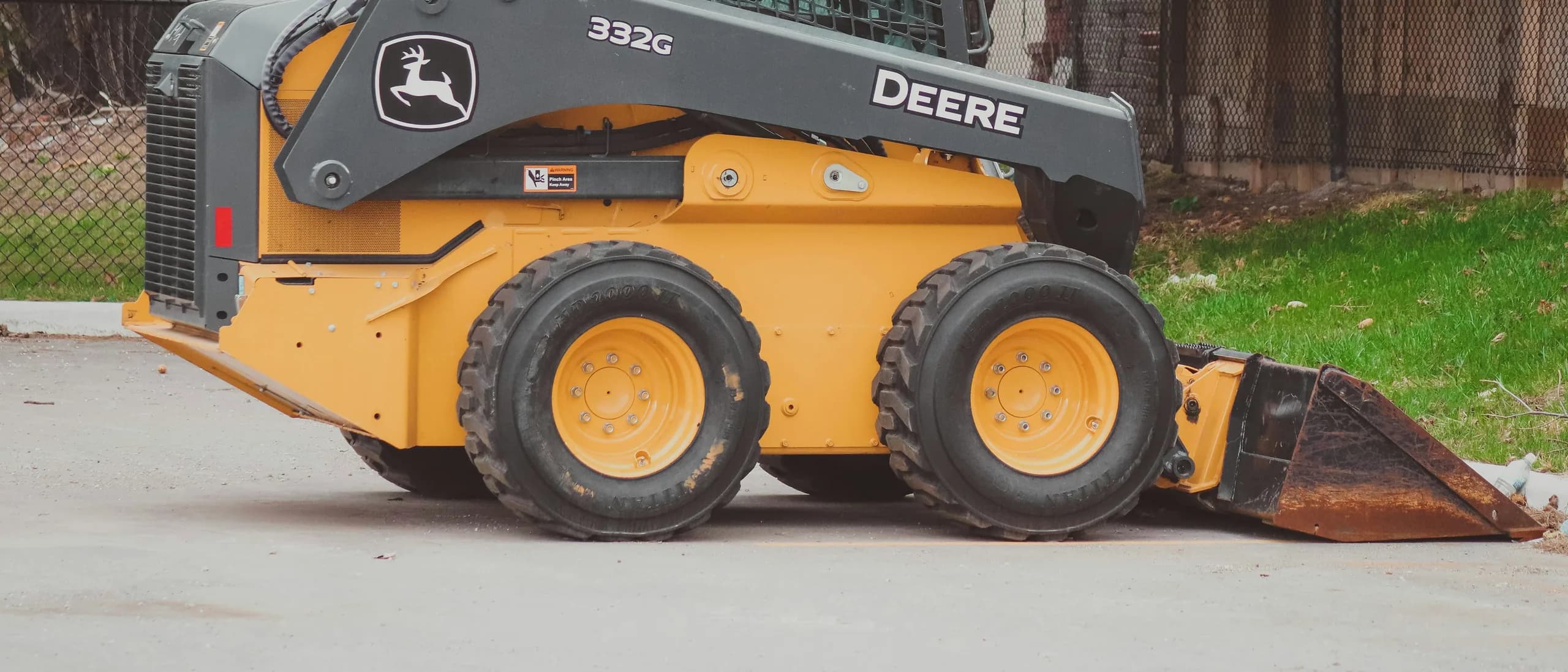
Back gardens reached through a side gate. This is the classic case: a removal at the bottom of a garden, a house in the way, and no vehicular access. Everything the tree becomes has to travel that path, and the mini is the only machine that can travel it.
Terraced and townhouse work, courtyards, and sites behind buildings where the only route is a passage. Also roof terraces, podium decks and anywhere weight limits rule out a full-sized machine — a mini's low ground pressure is sometimes what makes the work permissible at all.
And precision work anywhere: planting, moving stock around a nursery, feeding a chipper in a confined driveway, or lifting rounds onto a truck where a bigger machine cannot line up.
Width, weight and what to measure
Measure the narrowest point on the whole route, not just the gate — a post, a downpipe, a corner that needs a turn, a step. Give the figure in inches. Operators can often remove a wheel guard or run a narrower track set for an inch or two, but only if they know before they load.
Note the surface and any steps or slopes. Minis climb well but they do not climb stairs, and a change of level that needs ramping is worth a sentence in the job post rather than a surprise on the day.
Also note where the material is going. The mini's advantage evaporates if the chipper and truck are parked three hundred feet away — say where the vehicle can stand, and let the operator judge the cycle time.
Stand-on, walk-behind and tracked or wheeled
Stand-on machines put the operator on a platform at the back, which is faster and less tiring across a long day and gives better visibility over the load. Walk-behind units are narrower still and suit the very tightest access, at the cost of pace.
Tracked units float and climb; wheeled units are quicker across hard standing and cheaper. On turf and soft ground the tracked machine is almost always the right answer, and on a site that is already dug up it rarely matters.
Ask what the operator brings and describe the ground. Anyone who has run a mini through a domestic garden has an opinion about which of theirs suits your job, and it is worth more than a spec sheet.
What mini skid steer hire costs
Day and half-day rates with the operator included, plus mobilisation. Rates are typically below a full-sized machine, though not by as much as the size difference suggests — the operator's day costs the same either way, and specialist attachments carry their own premium.
The saving is not in the rate, it is in the labour it displaces. Compare the day rate against what the same work costs in crew hours, and against the risk of a manual-handling injury on a job where every log is carried a hundred feet.
Rates and terms are agreed directly with the provider. Treelign takes no commission and holds no payments — settle mobilisation, hours, fuel and the position on ground damage before the machine is loaded.
Hiring a mini skid steer on Treelign
Post the job with the narrowest access width in inches, the surface, any steps or slopes, where the truck and chipper can stand, and how long you expect the work to take. Operators whose radius covers you are alerted immediately.
Every service on a job carries its own crew size, so a mini can be hired alongside climbers, ground support and hauling on the same job, each service filling independently.
If the access is borderline, post both mini skid steer and skid steer and let the applicants tell you what fits — an operator who knows the area will often know the property type and can judge it faster than a tape measure in a photograph.
Frequently Asked Questions
How narrow a gap will a mini skid steer fit through?

Most stand-on and walk-behind minis are in the three to four foot range, and some narrow further by removing guards or running a slimmer track set. Measure the tightest point on the entire route in inches and put it in the job post — that number is what operators match against, and it decides whether the machine can work at all.
Will it damage the lawn?
Far less than you would expect. A tracked mini spreads a relatively light machine over a large contact area, so ground pressure is often lower than a loaded wheelbarrow run repeatedly along the same line. It is not zero — expect marking on soft ground, and expect a good operator to suggest mats or boards where it matters.
Is a mini worth it if I already have a crew on site?
Usually, on any job producing real volume through restricted access. The machine replaces the part of the day that is pure carrying, which is both the slowest work and where manual-handling injuries happen. On a back-garden removal it commonly turns two days into one.
Does the hire include an operator?
Yes — on Treelign this service is the machine with a qualified operator. Rates are set by the provider, normally a day or half-day figure plus mobilisation, and agreed directly between you and them. Treelign doesn't handle payments or set prices.
What is Treelign?
Treelign is a hiring platform built specifically for the tree care industry. Tree service companies post jobs for the positions and equipment they need, and qualified tree professionals nearby are notified and can apply immediately. It connects companies with contract climbers, crane and bucket truck operators, stump grinders, trainers and other specialists — without cold calls or Facebook group posts. Browsing is public; a free account is needed to apply, message a provider, or see a job's exact address.
How is Treelign different from Facebook groups or general job boards?
General job boards and Facebook groups aren't built for tree work. Treelign is structured around the industry's actual positions and equipment, matches by service area, and notifies qualified professionals the moment a job is posted. Instead of broadcasting into a group and hoping the right climber sees it, you reach the people who do that specific work near you — and each service on a job carries its own crew size, so a job can be filled by several providers at once.
Related services
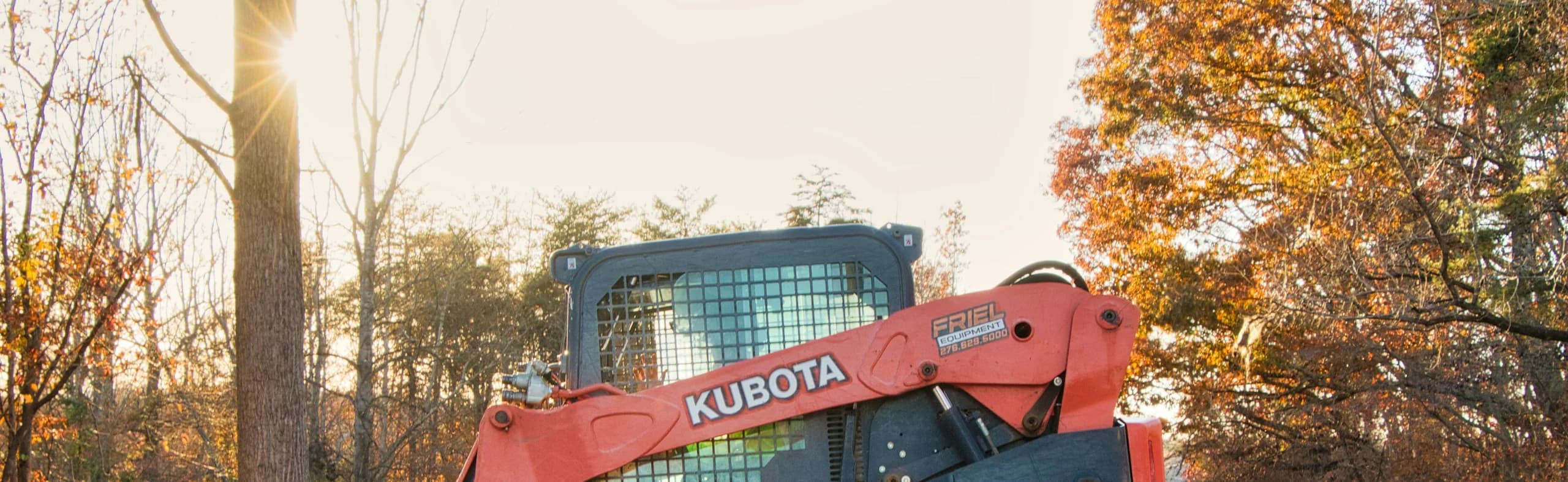
Skid Steer with Operator
A full-sized skid steer or compact track loader for moving logs, brush, wood chips and soil around a jobsite, and for running attachments such as grapples, buckets, forks and mulching heads. This service includes the machine and a qualified operator.
Compact Articulating Loader with Operator
An articulated compact loader — an Avant, Vermeer, Multione or similar — that pivots at its centre rather than skidding, so it turns tightly without tearing turf. Used for lawn-sensitive work, tight access, and running a wide range of attachments. This service includes the machine and a qualified operator.
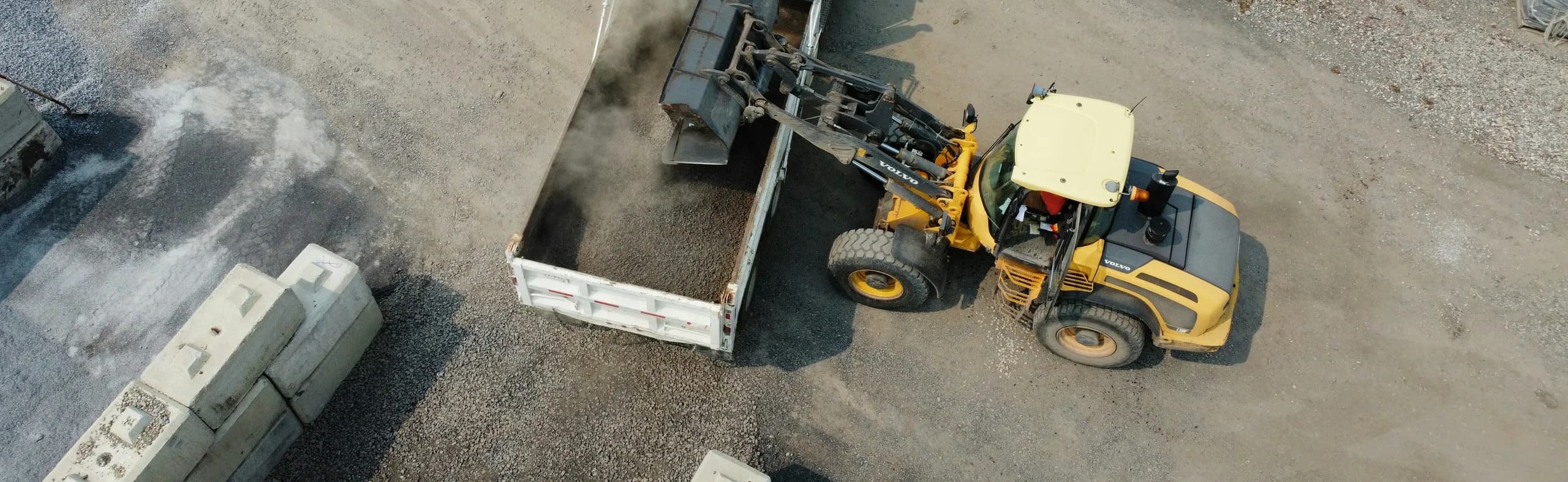
Wheel Loader with Operator
A rubber-tyred wheel loader for high-volume material handling — loading chip and log trucks, moving mulch and soil in bulk, and feeding grinders and processing yards. This service includes the loader and a qualified operator.
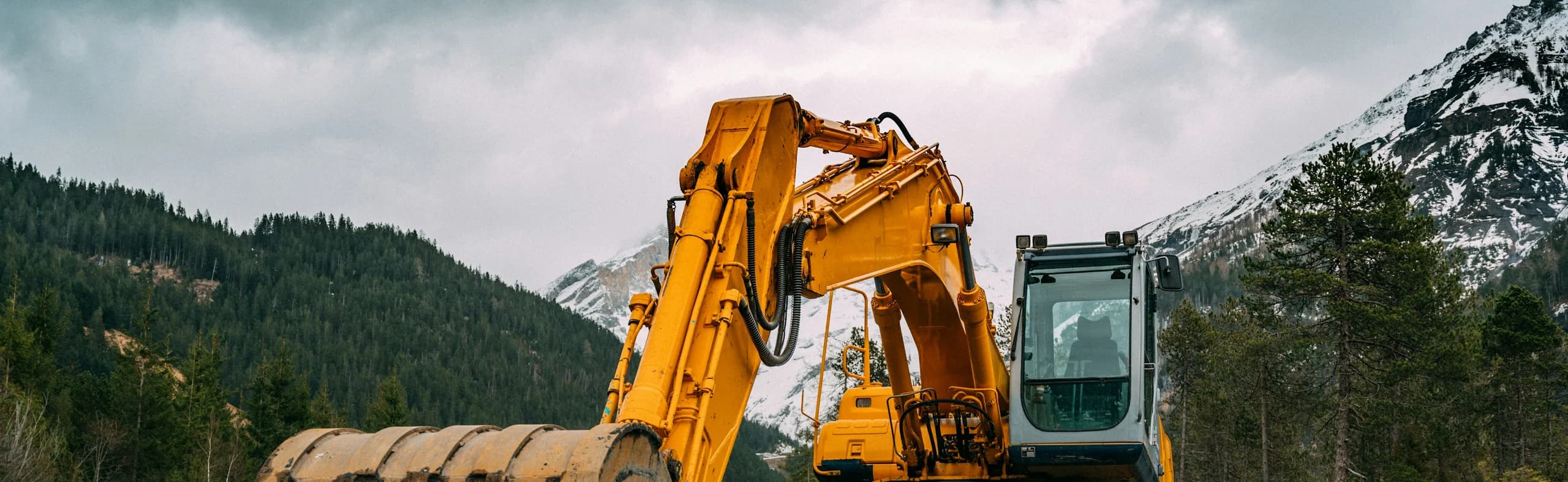
Excavator with Operator
A tracked excavator for removals, land clearing, stump and root excavation, and moving heavy timber. Frequently run with a thumb, grapple, mulching head or shear rather than a bucket. This service includes the machine and a qualified operator.
Find Trusted Mini Skid Steer with Operator
Near You
Questions about Mini Skid Steer with Operator?
Need help finding the right help for your project? Our team is here to assist with any questions about mini skid steer with operator and specialized services.