
Excavator with Operator
An excavator is the machine that removes the things a saw cannot. Root plates, stumps with the ground still attached, storm-thrown trees half out of the earth, and the last quarter of a clearing job that a mulcher left behind — all of it is excavator work, and none of it is done well by anything else.
 Excavator with Operator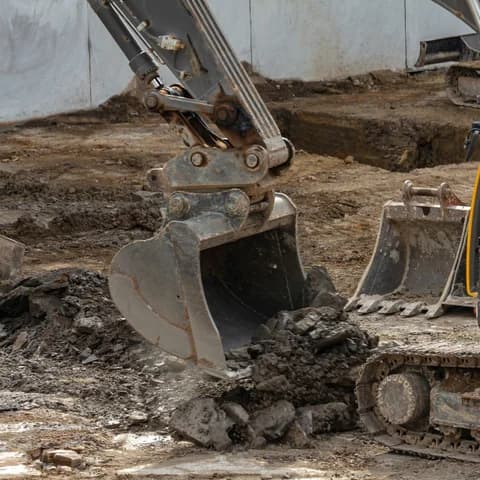
In tree care the machine is rarely used as a digger. Fitted with a thumb, a grapple, a shear or a mulching head, it becomes a machine for holding, cutting and placing timber, which is why so much modern removal work — particularly hazardous and storm-damaged trees — is done from the seat of one rather than from a rope.
On Treelign, excavator work is offered by companies and owner-operators who set their own service radius and rates. Post the job with the machine size and attachments the work needs, and operators who cover your area are notified and can apply. You review who applies and agree terms directly with them; Treelign carries no payments and takes no percentage.
Size is the first decision and it is genuinely consequential. A three-tonne machine gets through a domestic gateway and handles garden stumps. A thirteen-tonne machine takes a mature root plate out of the ground in one piece. The wrong end of that range means either a machine that cannot do the work or one that cannot reach it.
Tracks are what make them site-capable. An excavator will work on ground that stops wheeled plant entirely — the wet, broken, sloping ground that storm work and land clearing routinely present — and it can walk itself into position rather than needing a route wide enough to drive.
The attachment defines the job. A thumb turns the bucket into a hand and is the single most useful addition for tree work. A grapple handles brush and timber. A shear or a mulching head clears standing material. A rock breaker deals with what is underneath. Operators list what they carry, and it matters more than the badge on the machine.
For machine owners, tree work is a useful counterweight to construction demand — it peaks when the weather is worst and construction slows, and storm response in particular pays for mobilisation that ordinary groundworks will not. A profile listing machine weight, attachments and radius is what makes yours findable when a company needs it at short notice.
Providers set their own radius and can add travel dates when working away from home — during those dates the machine appears in searches at that destination for the services it has brought with it. For storm work, that is the mechanism that puts an out-of-area machine in front of the companies who need it most.
What excavators do on tree jobs
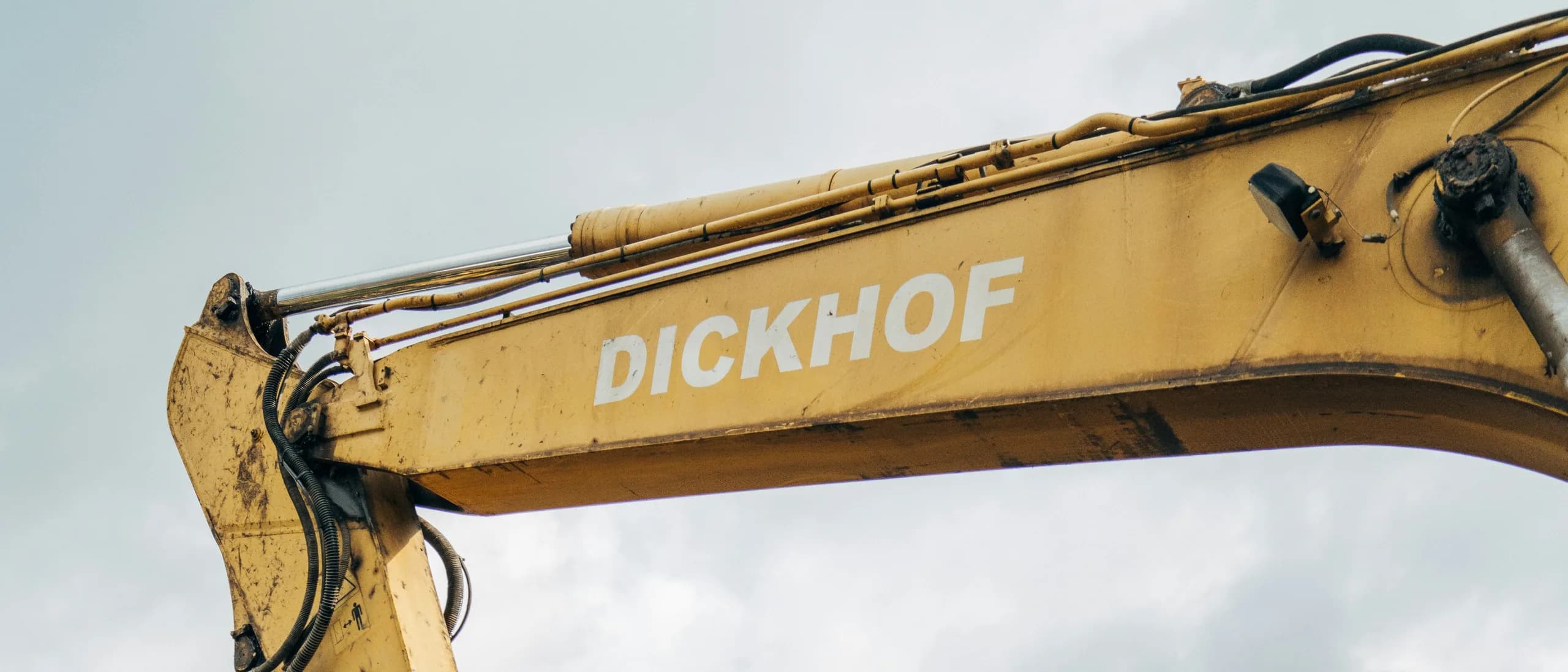
Stump and root excavation. Grinding leaves the root plate in the ground; excavation takes it out. Where the site is being redeveloped, replanted or levelled, that difference decides whether the job is finished or merely tidied.
Storm work. A partly uprooted tree holding half its plate in the air is one of the more dangerous things in tree care, and an excavator can hold, cut and lower it under control from a distance no climber can match.
Land clearing and site finishing. Consolidating felled material into piles, loading it into a grinder or truck, pulling out scrub and roots, and levelling ground afterwards. Fitted with a mulching head it does the clearing as well.
Sizing the machine and getting it in
Mini excavators from around one to three tonnes go through domestic gateways, work in gardens and handle small stumps. Midi machines from three to eight tonnes cover most residential removal and stump work. Anything above that is for mature root plates, land clearing and yard work.
Access is width, weight and headroom together. Measure the narrowest gap, note whether the ground will carry the machine and its transport, and mention overhead cables and low branches on the approach.
Say what you need it to lift or pull rather than guessing a tonnage. Operators know their own machines' reach and lift charts, and 'a two-foot-diameter oak stump with the plate intact' tells them more than a number would.
Thumbs, grapples and why the attachment matters
A hydraulic thumb works against the bucket to grip. It turns a digging machine into a handling machine, and for tree work it is close to essential — without it, moving timber means pushing it around rather than picking it up.
A dedicated grapple is better again for brush and logs, and a rotating grapple better still for placing material precisely. A shear or grapple saw lets the machine cut what it is holding, which is what makes remote dismantling possible.
Mulching heads, rock breakers, augers and tilt buckets round it out. Describe the outcome you need and let the operator tell you which of their attachments gets there — most carry two or three and choose on site.
What excavator hire costs
Day rates with the operator included, weekly rates on longer work, and transport quoted separately. Machine size drives the rate, and low-loader transport for anything above a few tonnes is a real cost worth confirming up front.
Attachments may or may not be included. A machine with a thumb, a grapple and a breaker represents serious capital, and providers price accordingly — ask what comes with the machine rather than assuming.
All of it is agreed directly between you and the provider. Treelign holds no payments, no escrow and takes no commission; settle rate, hours, transport, fuel and the position on ground reinstatement before the machine is booked.
Hiring an excavator on Treelign
Post the job with the site, the access width and ground conditions, what needs removing, and the attachments the work implies. Operators whose service radius covers you are alerted immediately and can apply.
Each service on a job carries its own crew size, so an excavator can be hired alongside climbers, hauling and a chipper on the same job, each service filling independently.
For storm work, post it as a separate service on the same job — an excavator with a thumb is often the difference between a tree that can be dealt with safely and one that cannot, and posting both is how the whole response gets staffed at once.
Frequently Asked Questions
What size excavator do I need?

Describe the work rather than guessing a tonnage. One to three tonnes fits domestic gateways and handles garden stumps; three to eight covers most residential removal and root excavation; above that is for mature root plates and land clearing. Tell operators the biggest thing that has to move and the narrowest gap it has to come through, and let them match a machine.
Can an excavator remove a stump completely?
Yes — that is the main reason to choose one over a grinder. Grinding reduces the stump and leaves the root plate in the ground; an excavator lifts the whole thing out. If the ground is being built on, replanted or regraded, excavation is usually what the job actually needs.
What is a thumb, and do I need one?
A hydraulic thumb closes against the bucket so the machine can grip rather than just push. For tree work it is close to essential — it is what lets an excavator pick up, hold and place timber. Say so in the job post; not every machine carries one.
Is transport included?
Usually quoted separately, and it matters — anything above a few tonnes needs a low-loader rather than a plant trailer. On multi-day work, ask about weekly rates and leaving the machine on site, which is almost always cheaper than moving it twice.
What is Treelign?
Treelign is a hiring platform built specifically for the tree care industry. Tree service companies post jobs for the positions and equipment they need, and qualified tree professionals nearby are notified and can apply immediately. It connects companies with contract climbers, crane and bucket truck operators, stump grinders, trainers and other specialists — without cold calls or Facebook group posts. Browsing is public; a free account is needed to apply, message a provider, or see a job's exact address.
How is Treelign different from Facebook groups or general job boards?
General job boards and Facebook groups aren't built for tree work. Treelign is structured around the industry's actual positions and equipment, matches by service area, and notifies qualified professionals the moment a job is posted. Instead of broadcasting into a group and hoping the right climber sees it, you reach the people who do that specific work near you — and each service on a job carries its own crew size, so a job can be filled by several providers at once.
Related services

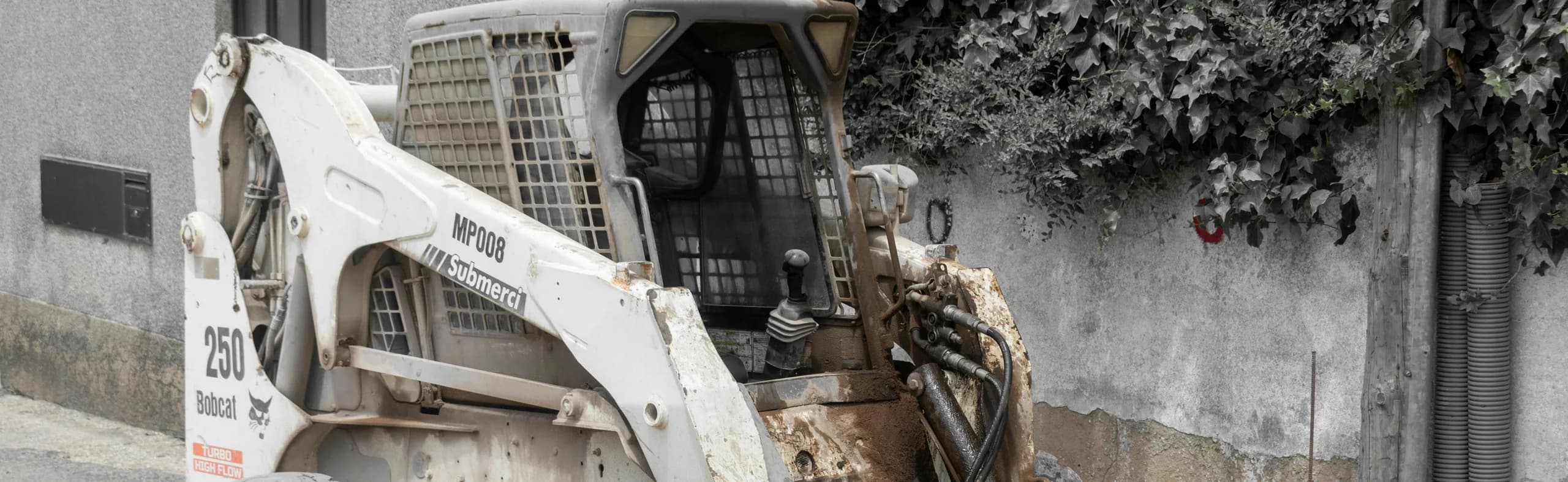
Skid Steer with Operator
A full-sized skid steer or compact track loader for moving logs, brush, wood chips and soil around a jobsite, and for running attachments such as grapples, buckets, forks and mulching heads. This service includes the machine and a qualified operator.
Mini Skid Steer with Operator
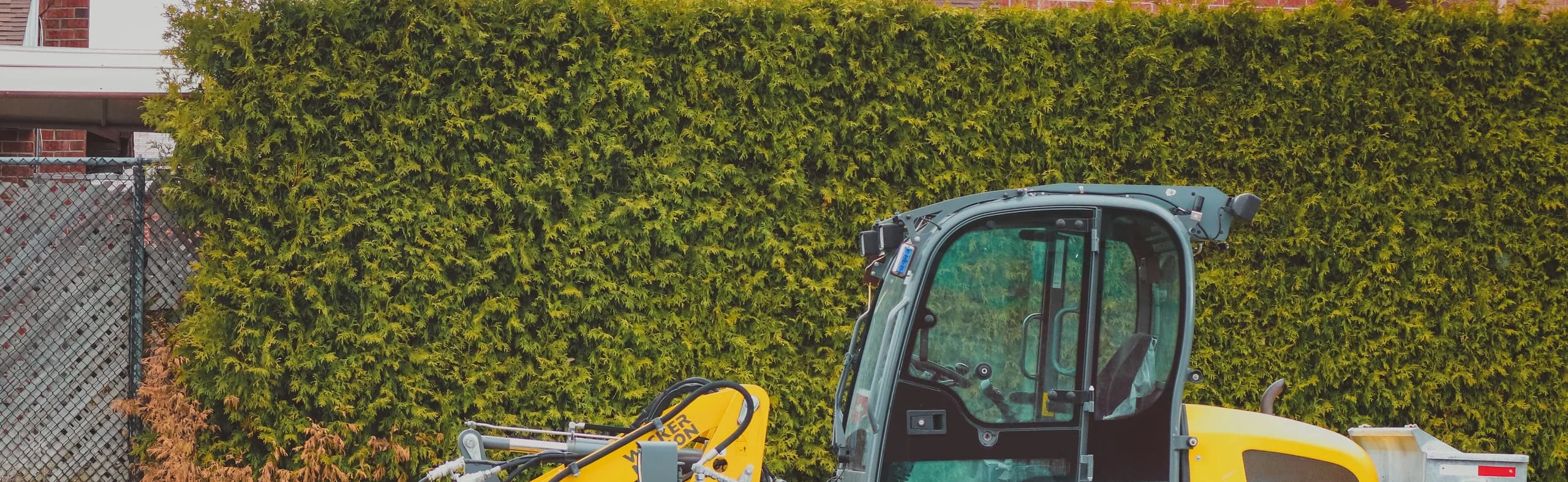
A walk-behind or stand-on mini skid steer sized to reach through gates, along paths and across lawns a full-sized machine cannot. Used for moving logs and brush, running grapples and buckets, and keeping ground crews off the shovel on restricted-access work. This service includes the machine and a qualified operator.
Compact Articulating Loader with Operator
An articulated compact loader — an Avant, Vermeer, Multione or similar — that pivots at its centre rather than skidding, so it turns tightly without tearing turf. Used for lawn-sensitive work, tight access, and running a wide range of attachments. This service includes the machine and a qualified operator.
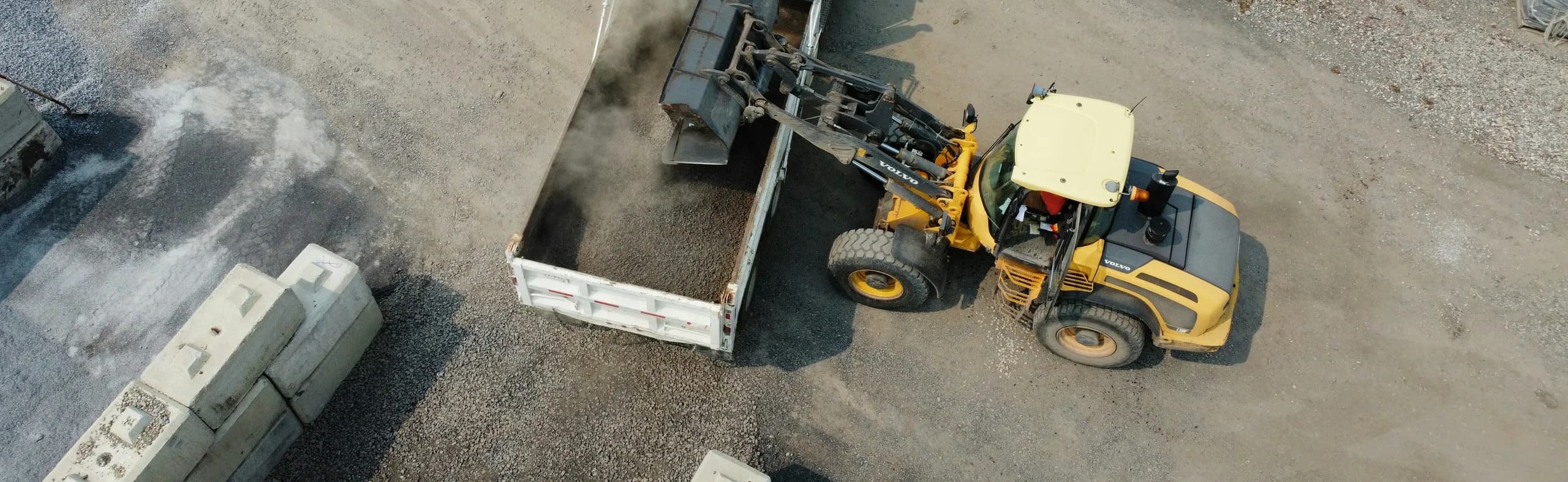
Wheel Loader with Operator
A rubber-tyred wheel loader for high-volume material handling — loading chip and log trucks, moving mulch and soil in bulk, and feeding grinders and processing yards. This service includes the loader and a qualified operator.
Find Trusted Excavator with Operator
Near You
Questions about Excavator with Operator?
Need help finding the right help for your project? Our team is here to assist with any questions about excavator with operator and specialized services.