

Wheel Loader with Operator
A wheel loader is the machine you hire when the problem is volume. Where a skid steer moves a pile, a wheel loader moves a yard: log decks, chip mountains, mulch stockpiles, soil and stone in the kind of quantity that makes a smaller machine look like a shovel. It is the difference between loading a walking-floor trailer in twenty minutes and loading it all afternoon.
 Wheel Loader with Operator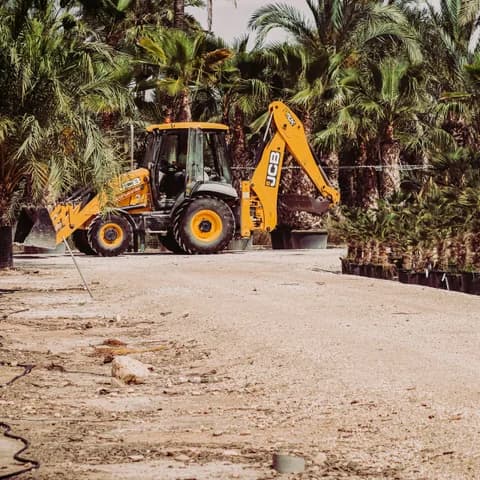
On Treelign, wheel loader work is offered by companies and owner-operators who set their own service area and rates. Post the job with what you need moved and how much of it there is, and operators whose radius covers your site are notified and can apply. You choose who to hire and agree terms with them directly — Treelign carries no payments and takes no percentage.
The natural home for one is a processing yard. Feeding a tub or horizontal grinder, building and turning windrows, loading chip into trailers, decking logs for a mill, and keeping the yard tidy enough to work in — that is a wheel loader's day, and it is work no smaller machine does at the same rate.
They also earn their place on large clearing sites. Once a mulching head or a fleet of saws has put a few acres on the ground, someone has to consolidate it, and a loader with a grapple or a bucket does that in a fraction of the time an excavator spends tracking back and forth.
Size matters more here than with compact machines, and it is worth being specific. Bucket capacity, breakout force, lift height and the machine's operating weight decide whether it can load your trailer over the side, reach the top of the stockpile and pick up what you need picking up. Say what you are loading and how high, and let operators tell you what fits.
Attachments broaden it: a general bucket for chip and soil, a high-capacity light-material bucket for mulch, pallet forks for timber, and grapples and log forks for the wood itself. A loader with only a dirt bucket will still move chip, just slowly and with a lot of spillage.
For machine owners this is some of the most predictable subcontract work available, because processing yards and clearing projects run for weeks rather than hours. A profile that lists machine size, bucket capacity and attachments is what puts you in front of the operation that has just realised it is a machine short.
Providers set their own service radius and can add travel dates when working away from home — during those dates they appear in searches at that destination for the services they have brought. For a machine committed to a project in another region, that is how the surrounding work finds it.
Where a wheel loader beats a smaller machine
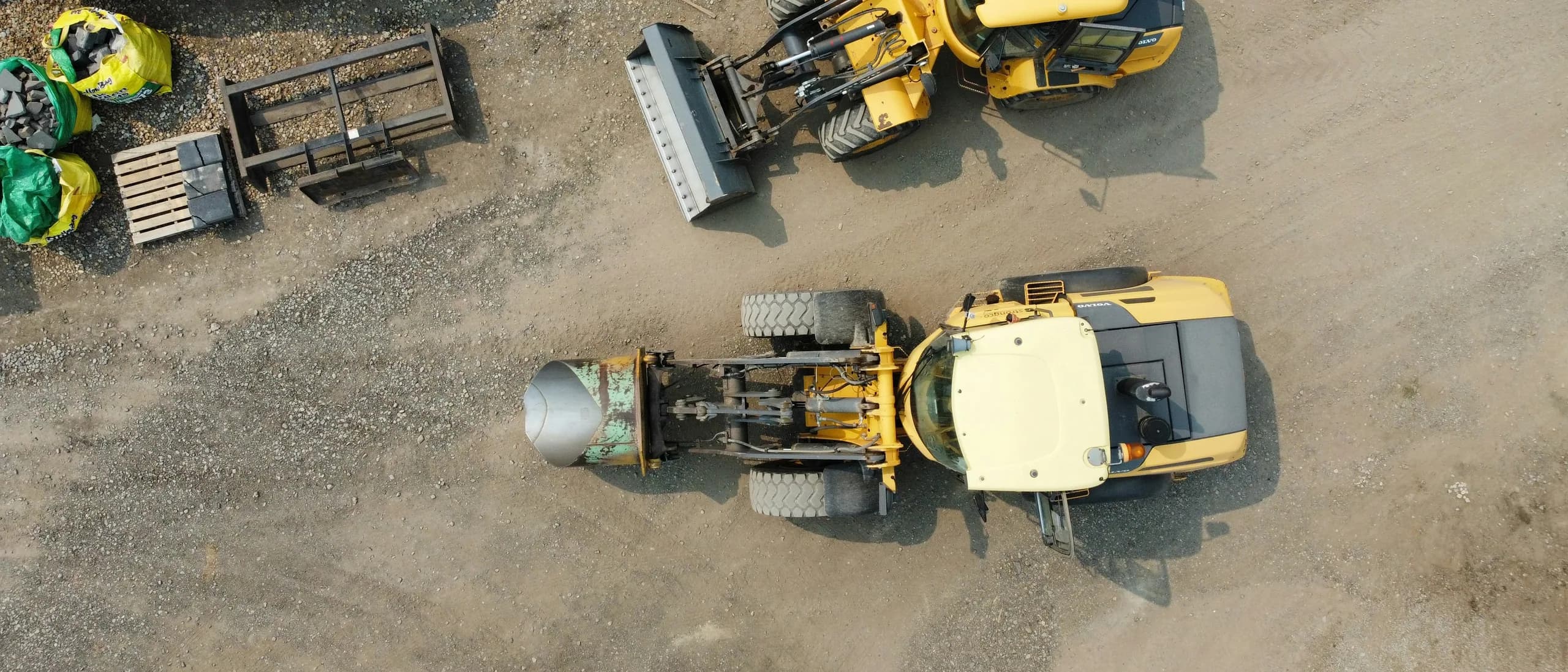
Anywhere the same material is moved repeatedly. Cycle time is everything in bulk handling, and a machine that carries three times as much per pass at road speed across a yard finishes the job in a fraction of the hours — which is why the bigger machine is often the cheaper one on a volume job.
Loading vehicles is the clearest case. Filling a walking-floor trailer or a tipper over the side needs both capacity and lift height, and a compact machine that has to make thirty passes and cannot reach the top of the body turns a twenty-minute job into an afternoon.
Feeding a grinder is the other. A tub or horizontal grinder consumes material faster than most people expect, and a loader that cannot keep the infeed full leaves an expensive machine idling — the loader is what determines whether the grinder makes its numbers.
Sizing the machine to the work
Bucket capacity sets the rate; operating weight sets what the ground has to carry; lift height and dump clearance set what you can load into. A machine that is perfect in a quarry can be useless if it cannot clear the sides of your trailer.
Light material buckets matter for chip and mulch. Wood chip is bulky and light, so a machine sized by weight will run out of bucket long before it runs out of lift — a high-capacity light-material bucket is what makes chip handling efficient.
Say what you are moving, roughly how much, what you are loading into and how high. Those four facts let an operator tell you in one message whether their machine is right, which is faster than any spec comparison.
Ground, space and site conditions
Wheel loaders are heavy and articulate to steer, so they need firm going and room to swing. Soft, waterlogged or made ground is where they get into trouble, and a yard that works in August may not work in February.
Space to turn and a clear travel route matter as much as the working area. A loader that has to shuffle in three-point turns loses most of the cycle-time advantage that justified hiring it.
Note overhead and underground services, site speed limits, and who else is working in the same space. Yards with grinders, trucks and people in them are the environment where loader incidents happen, and a good operator will ask about traffic management before you raise it.
What wheel loader hire costs
Day rates with the operator included are standard, with weekly rates common on longer projects and usually better value. Machine size and attachments drive the number, and transport is a significant separate cost — a large loader needs a low-loader, not a plant trailer.
For anything beyond a couple of days, ask about weekly terms and about leaving the machine on site. Repeated mobilisation is expensive and pointless on a project that will run for a fortnight.
All rates and terms are agreed directly between you and the provider. Treelign holds no payments and takes no commission — settle transport, hours, fuel and site responsibilities before the machine arrives.
Hiring a wheel loader on Treelign
Post the job with the material, the volume, what you are loading into, the ground conditions and the expected duration. Operators whose service radius covers you are alerted immediately and can apply.
Each service on a job carries its own crew size, so a loader can be hired alongside a grinder, hauling and a chipper on the same job, each filling independently.
For yard and processing work, post the tub grinder and the hauling as separate services on the same job. They are usually different providers, and posting them together is how the whole operation gets staffed at once rather than in three rounds of phone calls.
Frequently Asked Questions
When should I hire a wheel loader instead of a skid steer?

When the job is volume rather than access. If you are loading trailers, feeding a grinder, or moving the same material repeatedly across a yard, a wheel loader's capacity and travel speed make it faster and usually cheaper overall. If the machine has to get through a gate or work on a lawn, it is the wrong tool entirely.
What size loader do I need?
Tell the operator what you are moving, roughly how much, what you are loading into and how high the sides are — those four facts decide it. Chip and mulch also want a high-capacity light-material bucket, because bulky light material runs out of bucket volume long before it runs out of lifting capacity.
Is transport included in the rate?
Usually quoted separately, and it matters here more than with compact machines — a large wheel loader needs a low-loader rather than a plant trailer. On any job running more than a couple of days, ask about weekly rates and leaving the machine on site rather than paying to move it repeatedly.
Can a wheel loader work on soft ground?
Less well than a tracked machine. They are heavy and articulate to steer, so they want firm going and room to turn. Describe the ground honestly in the job post — an operator would far rather bring a different machine than spend a morning recovering the one they brought.
What is Treelign?
Treelign is a hiring platform built specifically for the tree care industry. Tree service companies post jobs for the positions and equipment they need, and qualified tree professionals nearby are notified and can apply immediately. It connects companies with contract climbers, crane and bucket truck operators, stump grinders, trainers and other specialists — without cold calls or Facebook group posts. Browsing is public; a free account is needed to apply, message a provider, or see a job's exact address.
How is Treelign different from Facebook groups or general job boards?
General job boards and Facebook groups aren't built for tree work. Treelign is structured around the industry's actual positions and equipment, matches by service area, and notifies qualified professionals the moment a job is posted. Instead of broadcasting into a group and hoping the right climber sees it, you reach the people who do that specific work near you — and each service on a job carries its own crew size, so a job can be filled by several providers at once.
Related services

Skid Steer with Operator
A full-sized skid steer or compact track loader for moving logs, brush, wood chips and soil around a jobsite, and for running attachments such as grapples, buckets, forks and mulching heads. This service includes the machine and a qualified operator.
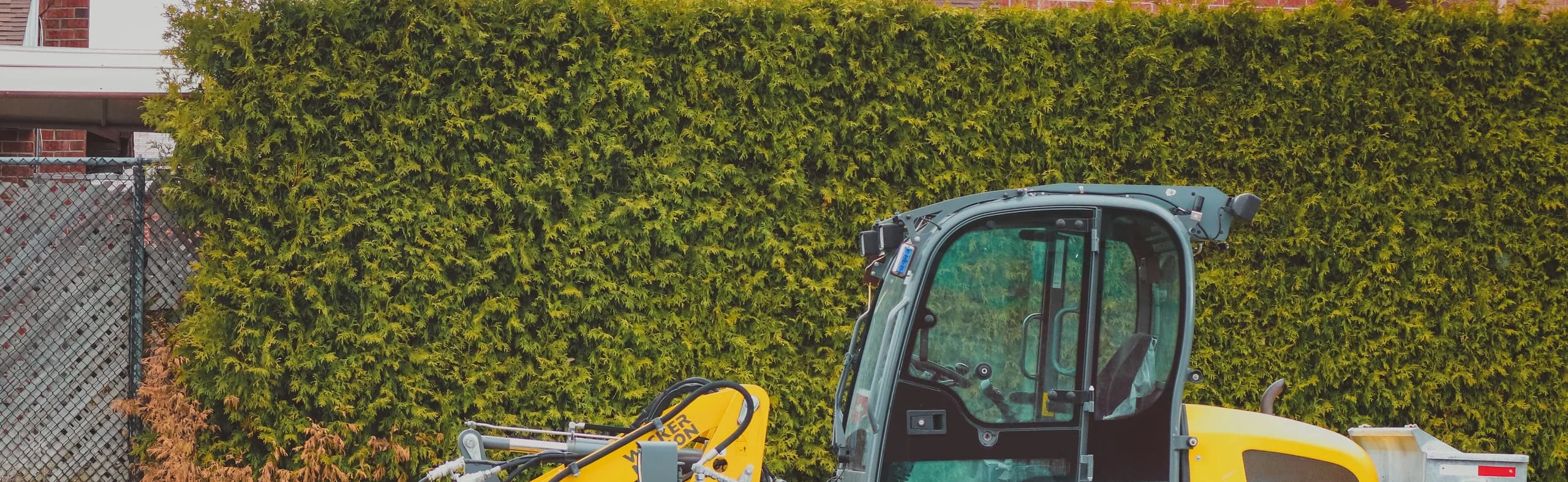
Mini Skid Steer with Operator
A walk-behind or stand-on mini skid steer sized to reach through gates, along paths and across lawns a full-sized machine cannot. Used for moving logs and brush, running grapples and buckets, and keeping ground crews off the shovel on restricted-access work. This service includes the machine and a qualified operator.
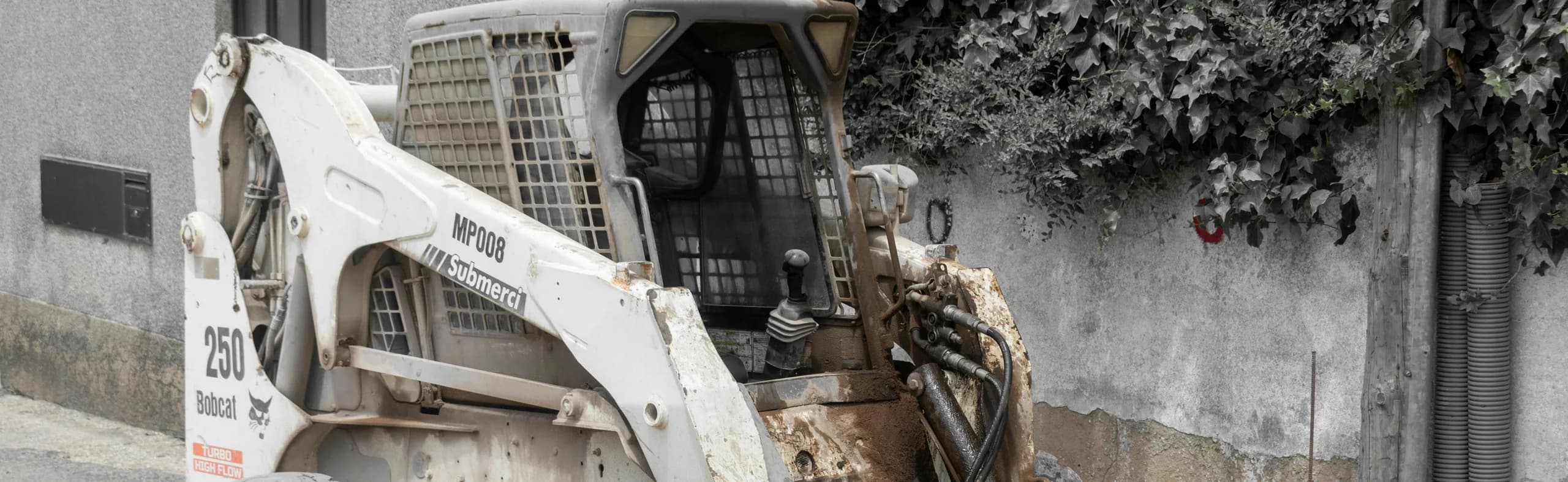
Compact Articulating Loader with Operator
An articulated compact loader — an Avant, Vermeer, Multione or similar — that pivots at its centre rather than skidding, so it turns tightly without tearing turf. Used for lawn-sensitive work, tight access, and running a wide range of attachments. This service includes the machine and a qualified operator.
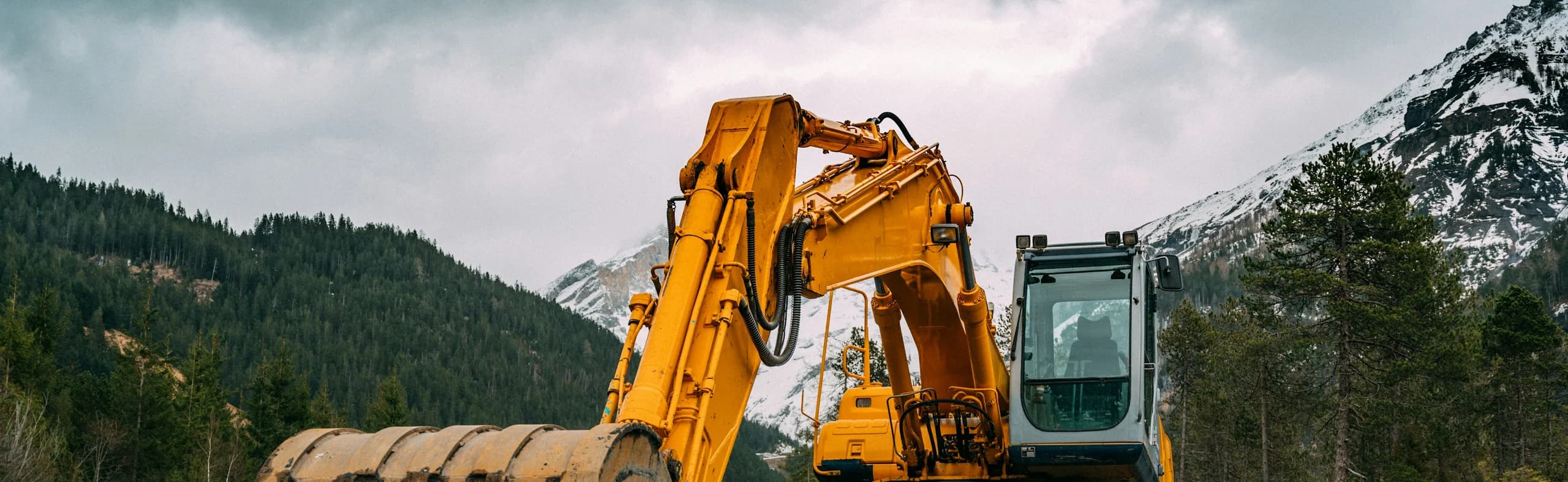
Excavator with Operator
A tracked excavator for removals, land clearing, stump and root excavation, and moving heavy timber. Frequently run with a thumb, grapple, mulching head or shear rather than a bucket. This service includes the machine and a qualified operator.
Find Trusted Wheel Loader with Operator
Near You
Questions about Wheel Loader with Operator?
Need help finding the right help for your project? Our team is here to assist with any questions about wheel loader with operator and specialized services.