

Skid Steer with Operator
A skid steer is the machine that decides how long a removal takes once the tree is on the ground. Everything a crew produces — brush, rounds, chip, stumps, the spoil from a stump hole — has to move from where it fell to where it leaves the site, and moving it by hand is the single largest waste of a skilled crew's day. A skid steer with a grapple does in twenty minutes what four groundsmen do in two hours, and it does it without anyone lifting a log.
 Skid Steer with Operator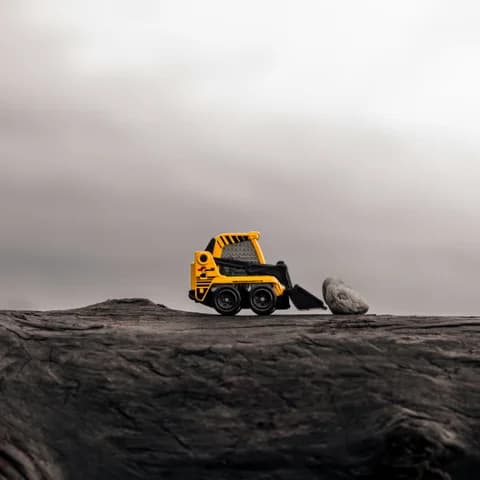
On Treelign, skid steer work is offered by companies and owner-operators who set their own service area and their own rates. Post the job with the machine you need and the crew size behind it, and operators whose radius covers your site are notified and can apply. You review who applies, look at their reviews, message them directly, and agree terms yourself — Treelign carries no payments and takes no percentage of the work.
The term covers two machines that behave differently on the ground. A wheeled skid steer turns by skidding its tyres, which is fast and cheap and tears turf. A compact track loader spreads its weight across rubber tracks, floats on soft ground, climbs slopes a wheeled machine slides down, and leaves far less of a mark on a lawn. If the job is on grass, or on ground still wet from the weather that made the tree fail, the track machine is usually worth the extra it costs.
What the machine does is set by what is on the front of it. A grapple bucket picks up brush and rounds. Pallet forks carry logs and move materials. A general bucket handles chip, soil and stone. A grapple rake sifts debris out of turf. A mulching head turns standing scrub into ground cover. Operators list what they bring, and the attachment matters as much as the machine — a skid steer with only a dirt bucket is a poor tool for a removal.
Access is the constraint that decides everything else. A full-sized skid steer needs a gate or a gap around six feet wide, ground that will carry seven to ten thousand pounds, and somewhere to turn. Measure the narrowest point on the route before you post the job, and say what it is. An operator who arrives to find their machine two inches too wide has lost a day, and so have you.
For machine owners, this is work that fills the gaps between your own jobs. A skid steer sitting on a trailer earns nothing, and the tree company two towns over with a week of removals and no machine has no way of finding you except by asking around. A Treelign profile that lists the machine, the attachments and the service radius is what puts you in front of them the day they need it.
Rates are set by the people doing the work, not by Treelign. Most skid steer work is priced by the day or the half day with the operator included, and mobilisation is usually charged separately because moving a machine is a real cost whether it works for two hours or eight. Agree the rate, the hours and who pays for fuel and float before the trailer leaves.
Coverage is what makes hiring one practical. Providers set their own service radius, and can add travel dates when they are working away from home — during those dates they appear in searches at that destination for the services they have brought with them. A machine heading to a fortnight of storm work three hundred miles away is available there, and searchable there, before it arrives.
What a skid steer does on a tree job
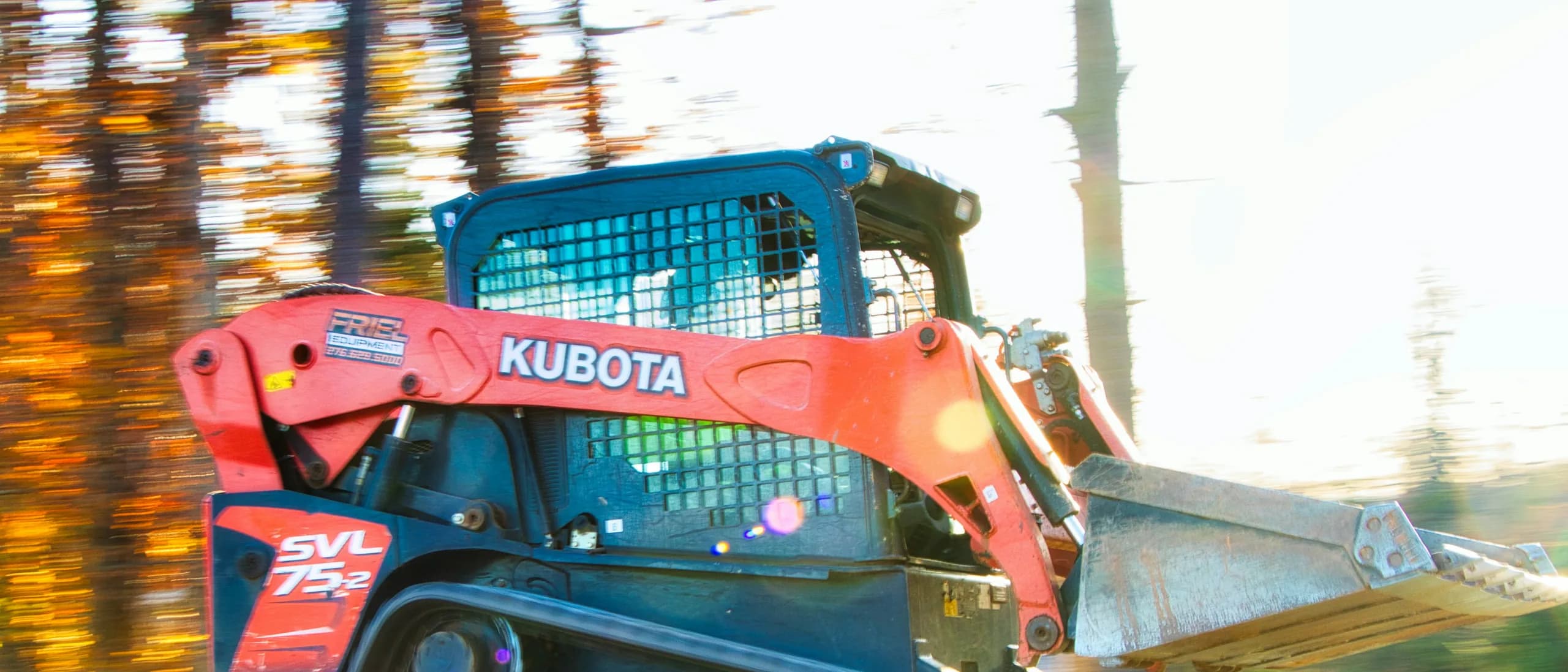
Debris handling first. A grapple picks up a pile of brush in one bite and feeds it to the chipper, which is faster than four people dragging limbs and far safer, because nobody is walking backwards toward a chipper infeed with their arms full. On a big removal the machine sets the pace of the whole day.
Then the heavy items. Rounds that two people cannot lift go straight onto a truck with forks or a grapple. Trunk sections get dragged clear of the drop zone so cutting can carry on. Stump grindings — which are heavier and far more voluminous than anyone expects — get moved out in minutes rather than barrowed.
And the finish. A grapple rake or a bucket levels the ruts, backfills the stump hole, spreads topsoil and tidies the ground before the crew leaves. The state you leave a garden in is what the client remembers, and it is the part most often rushed because everyone is tired and the light is going.
Wheels or tracks, and why it matters on turf
A wheeled skid steer steers by dragging one side against the other. Every turn scrubs the surface, which on gravel is nothing and on a maintained lawn is a repair bill. They are cheaper to run, quicker on hard standing and perfectly sensible on a site that is already a building site.
A compact track loader spreads the same weight over a much larger contact area, so ground pressure drops sharply. It works on wet ground that would bog a wheeled machine, climbs banks, and turns on grass with much less damage — though not none, and no operator should promise none.
Ask what the provider is bringing, and say what your ground is. Turf protection mats, plywood tracking and simply working from the hard standing all reduce damage further, and an operator who volunteers those options before you ask is usually the one to hire.
Attachments — the part that changes the price
Grapple bucket and grapple rake for brush and debris; pallet forks for logs and materials; a general-purpose bucket for chip, soil and backfill. Those four cover the overwhelming majority of tree work, and an operator who arrives with all of them can adapt as the day changes.
Beyond that: a mulching head for scrub and light clearing, a stump grinder attachment where a dedicated machine cannot reach, an auger for planting and post work, and a tree spade for moving established stock. Each is a real capital cost, which is why machines carrying them price higher.
Say what you need the machine to do rather than which attachment you want. Operators know their own kit, and describing the work — 'move sixty rounds up a slope onto a truck' — gets a better-matched answer than naming a tool.
What skid steer hire costs
Day rates and half-day rates with the operator included are the normal structure. What moves the number is the machine class, whether it is tracked, which attachments come with it, and how far it has to travel. Specialist attachments and larger machines carry a premium that is usually worth paying if they halve the day.
Mobilisation is generally a separate line. Loading, floating and unloading is real time and real fuel whether the machine then works for two hours or ten, and a provider who quotes a bare hourly rate with no mobilisation is either absorbing it or about to add it.
All of it is agreed directly between you and the provider. Treelign holds no payments, no escrow and takes no commission — settle the rate, the hours, the fuel and the damage position before the machine is loaded.
Hiring a skid steer on Treelign
Post the job with the site location, the narrowest access point in feet, the ground conditions, the attachments the work needs and how many days you expect. Operators whose service radius covers you are alerted immediately and can apply.
Each service on a job carries its own crew size, so a machine can be hired alongside climbers, a chipper and hauling on the same job, filled by different providers, each service closing as it fills while the rest stay open.
If access is genuinely tight, post mini skid steer as a second service rather than hoping a full-sized machine fits — the two are different machines for different gates, and posting both lets whichever suits the site apply.
Frequently Asked Questions
How much access does a skid steer need?

A full-sized machine typically needs a gate or gap of around six feet, ground that will carry seven to ten thousand pounds, and room to turn. Measure your narrowest point before posting and put the figure in the job — it is the single most useful detail an operator can have, and the most common reason a machine arrives and cannot work.
Will a skid steer damage the lawn?
It can. A wheeled machine skids to turn and will scuff turf; a compact track loader spreads its weight and does far less damage but not none. Ask what the provider brings, mention the ground conditions in your job post, and expect a good operator to raise turf mats or plywood tracking before you do.
Does the price include an operator?
On Treelign this service is the machine and a qualified operator together — that is what is being offered. Rates are set by the provider, usually as a day or half-day figure with mobilisation charged separately, and agreed directly between the two of you. Treelign doesn't handle payments or set prices.
Skid steer or mini skid steer — which do I need?
Access decides it. If the machine can reach the work through a six-foot gap on ground that will take its weight, the full-sized machine moves far more material per hour. If the route runs through a garden gate, along a path or across a lawn you cannot mark, the mini is the machine that can actually get there. Post both as separate services if you are unsure and let the applicants tell you.
What is Treelign?
Treelign is a hiring platform built specifically for the tree care industry. Tree service companies post jobs for the positions and equipment they need, and qualified tree professionals nearby are notified and can apply immediately. It connects companies with contract climbers, crane and bucket truck operators, stump grinders, trainers and other specialists — without cold calls or Facebook group posts. Browsing is public; a free account is needed to apply, message a provider, or see a job's exact address.
How is Treelign different from Facebook groups or general job boards?
General job boards and Facebook groups aren't built for tree work. Treelign is structured around the industry's actual positions and equipment, matches by service area, and notifies qualified professionals the moment a job is posted. Instead of broadcasting into a group and hoping the right climber sees it, you reach the people who do that specific work near you — and each service on a job carries its own crew size, so a job can be filled by several providers at once.
Related services
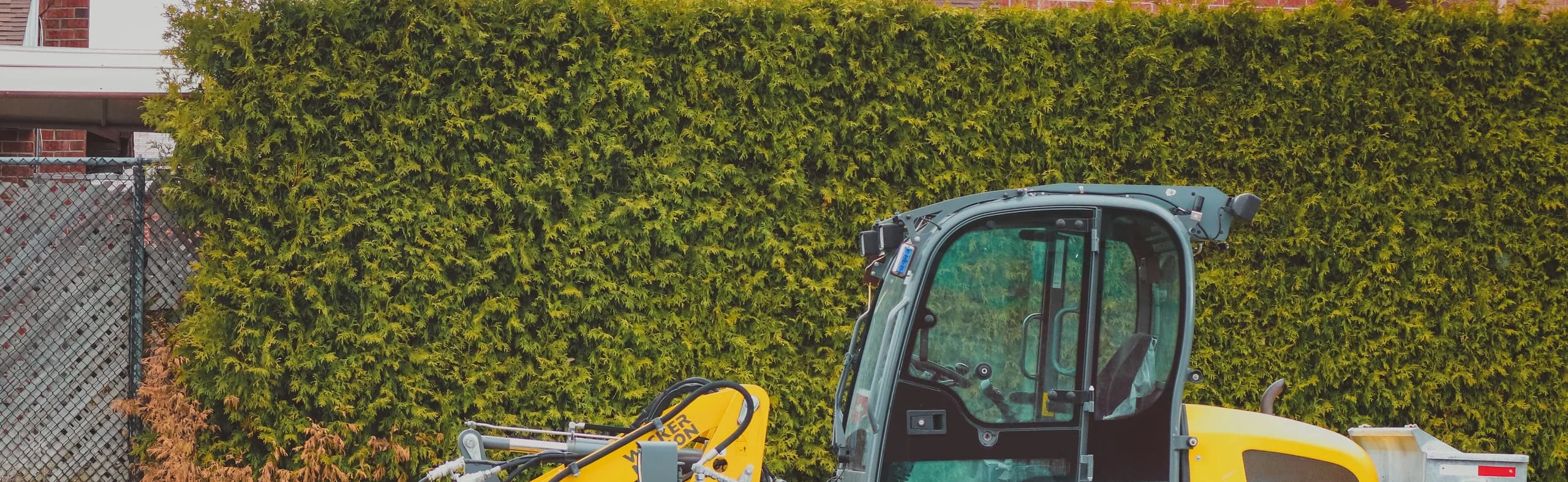
Mini Skid Steer with Operator
A walk-behind or stand-on mini skid steer sized to reach through gates, along paths and across lawns a full-sized machine cannot. Used for moving logs and brush, running grapples and buckets, and keeping ground crews off the shovel on restricted-access work. This service includes the machine and a qualified operator.
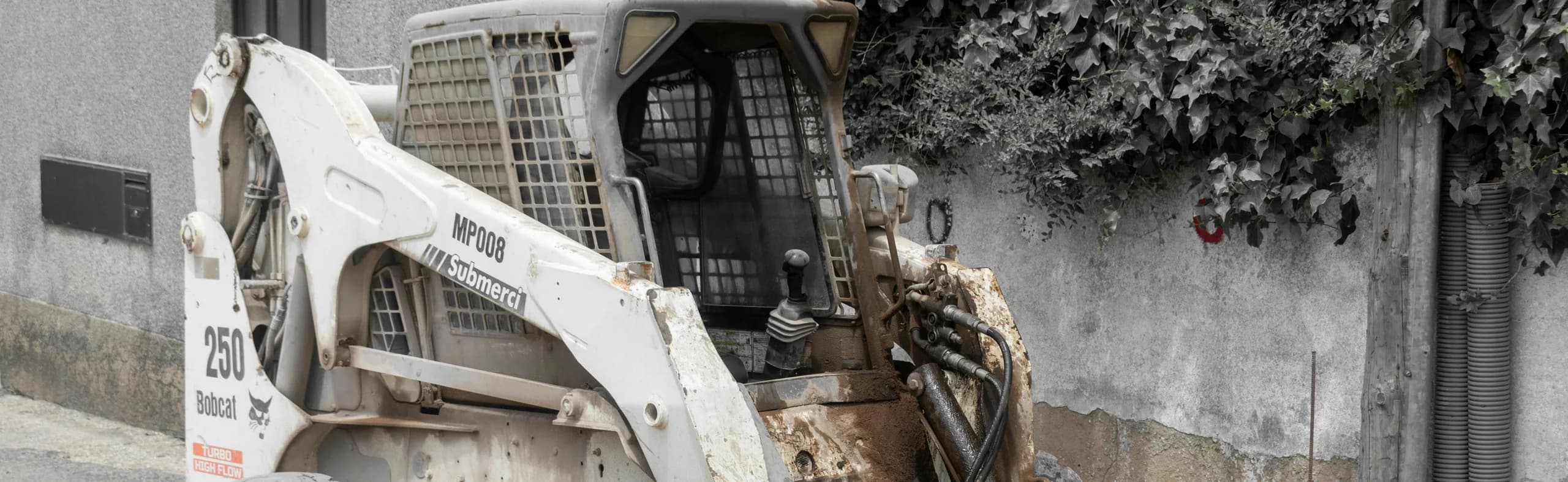
Compact Articulating Loader with Operator
An articulated compact loader — an Avant, Vermeer, Multione or similar — that pivots at its centre rather than skidding, so it turns tightly without tearing turf. Used for lawn-sensitive work, tight access, and running a wide range of attachments. This service includes the machine and a qualified operator.
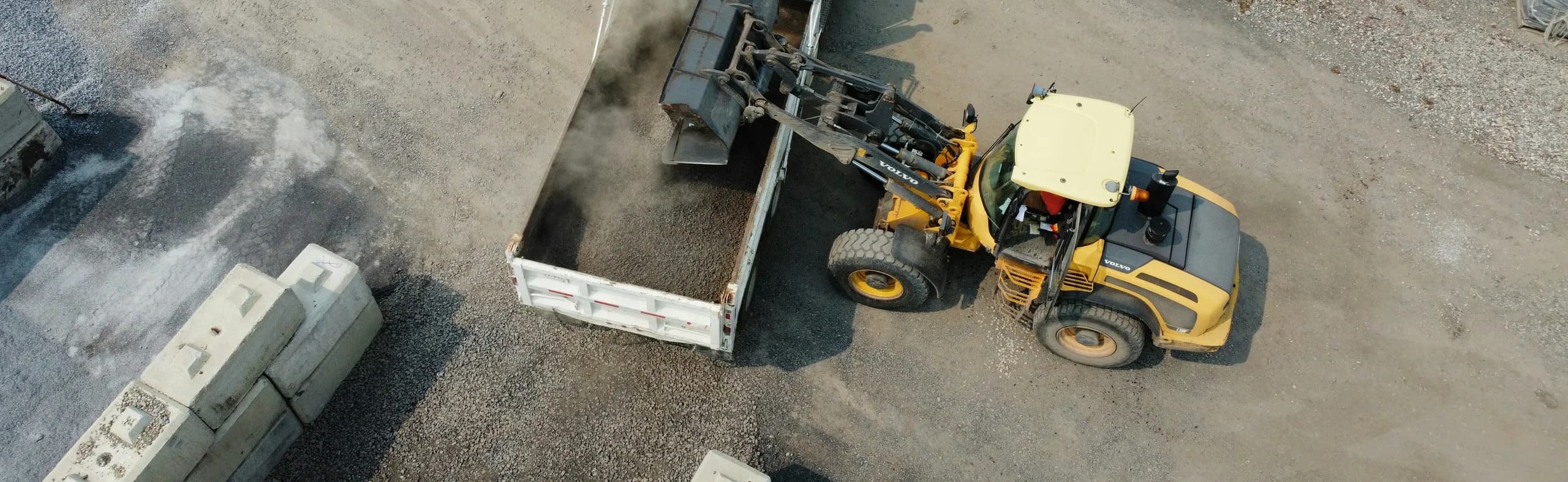
Wheel Loader with Operator
A rubber-tyred wheel loader for high-volume material handling — loading chip and log trucks, moving mulch and soil in bulk, and feeding grinders and processing yards. This service includes the loader and a qualified operator.
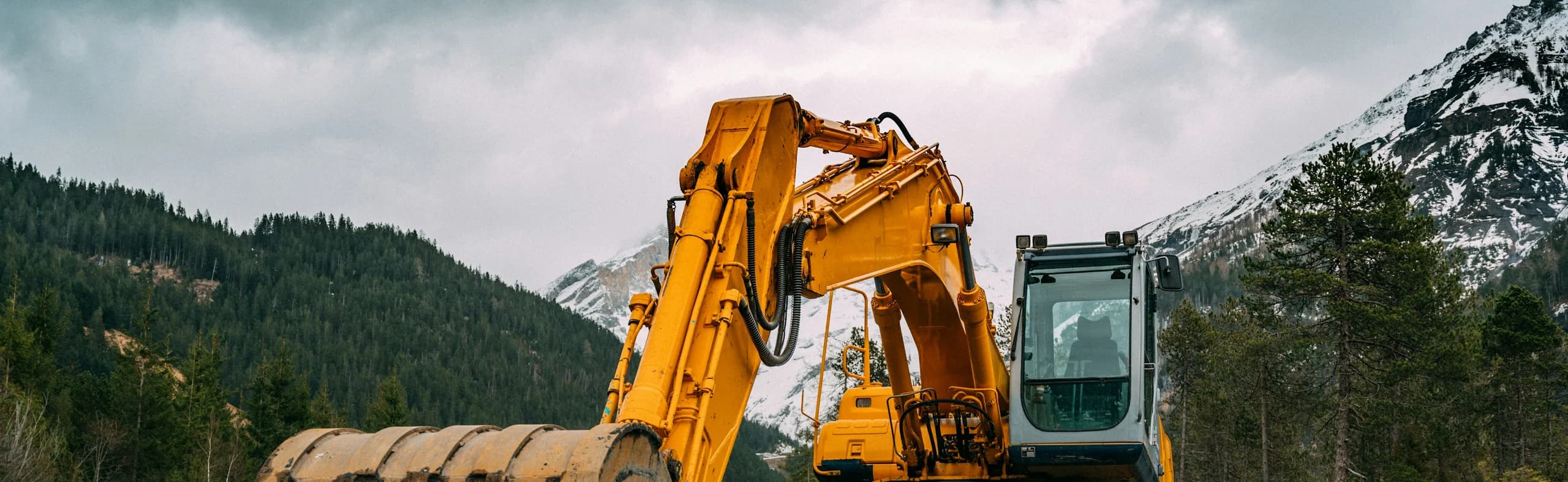
Excavator with Operator
A tracked excavator for removals, land clearing, stump and root excavation, and moving heavy timber. Frequently run with a thumb, grapple, mulching head or shear rather than a bucket. This service includes the machine and a qualified operator.
Find Trusted Skid Steer with Operator
Near You
Questions about Skid Steer with Operator?
Need help finding the right help for your project? Our team is here to assist with any questions about skid steer with operator and specialized services.