

Climber with Ground Support
A climber without ground support is half a crew. Someone has to run the ropes, clear the drop zone, feed the chipper and keep the site safe while the person in the tree concentrates on the tree. Hiring the pair together gets you two people who already work as a unit rather than a climber and whoever you could spare that morning.
 Climber with Ground Support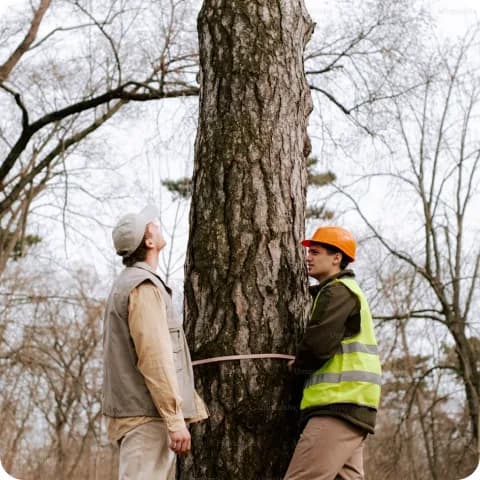
The difference shows in pace and in safety. A climber and grounds worker who know each other's habits communicate in half-sentences, which matters when a piece is coming down under rigging and the person on the rope needs to know exactly what's happening. Pairing an experienced climber with an unfamiliar ground person is where a lot of near-misses start.
Post the job with the crew size the work needs and providers offering climber-with-ground-support are notified. Because you're hiring a pair, the rate reflects two people — agreed directly between you and the provider, like every other arrangement on Treelign.
This is the right hire when you're short of people rather than short of climbing. A company running two crews with three qualified staff can take the extra job by bringing in a pair; bringing in a climber alone just moves the shortage to the ground, where the work actually piles up.
The advantage is fluency. A climber and grounds worker who have run a hundred removals together communicate in half-sentences, and half-sentences are what you want when a limb is under tension and something needs to change. Ask how long they've worked together — an established pair is worth more than two individually stronger people who met that morning.
Expect a day rate covering both, usually below the sum of two separate hires because you're getting a unit rather than two bookings. Confirm what they bring: the climbing kit and saws are theirs, but the chipper, truck and rigging are typically yours. Terms are settled directly with the provider.
For providers, offering as a pair is a way to be worth more than the sum of two profiles. Companies pay for the reduced friction, and they rebook teams far more readily than individuals. Say who the ground person is, what they're competent to do — traffic control, chipper feeding, rigging from the ground — and whether you'll take work as a single climber too.
Both halves of the pair travel together, so a wider service radius makes sense than a lone climber might set. Travel dates work the same way: set the window and destination and the two of you appear in searches there for the duration.
How a two-person team works a job
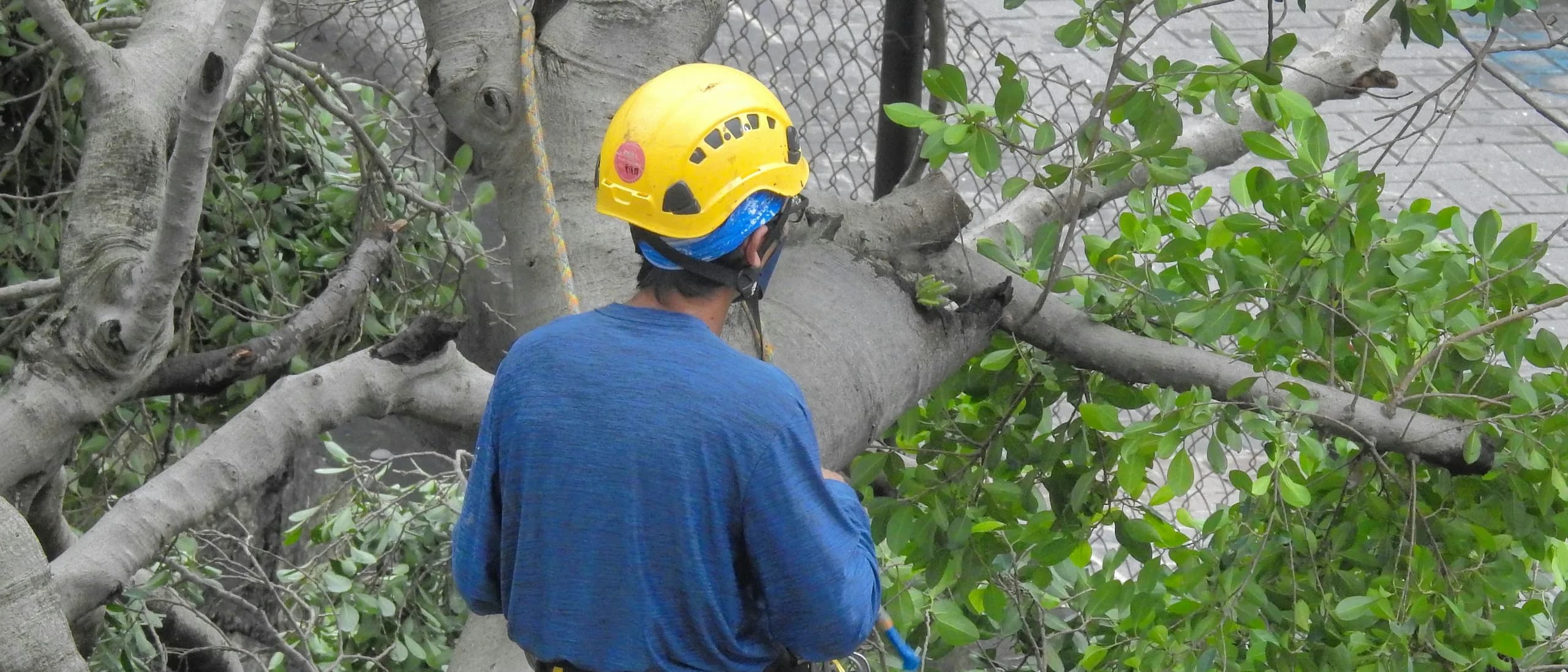
The pair arrives together and works as a unit. The climber ascends and works the canopy; the ground person manages the drop zone, runs the rigging lines, takes cut pieces away, feeds the chipper and keeps the site safe for everyone not in the tree. The division is fluid — on a rigging-heavy removal the ground worker is doing the physically harder job.
What makes an established pair fast is shared shorthand. A climber calling for a specific rope configuration, a ground worker anticipating the next pick and having the line ready, both reading the same plan — none of that exists on the first morning of a new pairing.
It also removes a real hazard. Rigging under load is the point in a removal where communication failures hurt people, and two people who have run hundreds of picks together communicate faster and with fewer words.
What the pair brings and what you supply
Expect the climber's personal kit — saddle, ropes, hardware, saws — and the ground worker's protective equipment and usually a saw. Expect to supply the rigging gear, the chipper, the trucks and the disposal.
Some pairs travel with more: a truck, a chipper, occasionally a small loader. That changes the rate and it changes what you need to have on site, so it is worth establishing up front rather than assuming either way.
Qualifications are worth asking about for both people, not just the climber. A ground worker with a chainsaw ticket and traffic-control experience is a materially different hire from someone who can drag brush.
What a climber-and-ground pair costs
The rate covers two people and usually sits below the sum of two separate day rates, because you are buying a working unit rather than two individual bookings, and because the pair has no coordination cost to absorb.
Longer bookings price better than single days for the same reason they do everywhere: travel and setup are amortised. A week of removals with one consistent pair is generally the cheapest way to buy this capacity.
Rates and terms are settled directly between you and the provider. Treelign introduces the two of you and stays out of the money entirely.
When a pair is the wrong hire
If you have ground crew standing idle, hiring a pair means paying for a person you already have. In that case a solo climber is the better value, and the ground worker you already employ gets a productive day.
If the job is genuinely one tree and half a day, the mobilisation for two people rarely makes sense against a solo climber. Pairs are most economical on multi-day work.
And if what you actually need is equipment rather than people — a lift to reach a tree nobody can climb safely, or a crane to take weight over a structure — then a pair does not solve the problem. Post the equipment as its own service alongside them.
Hiring a climber with ground support on Treelign
Post the job with climber with ground support as the service and set the crew size to the number of pairs you need. If the job also needs a chipper, a lift or hauling, post each as its own service on the same job so they fill independently.
Providers whose service radius covers you are notified immediately, and their profiles show whether they work as an established team, what they bring, and what previous companies have said about them.
Rates are agreed directly with the provider, and a free Treelign account is what unlocks applying, messaging and the job's exact address.
Frequently Asked Questions
What does climber with ground support include?

A qualified climbing arborist plus a competent ground worker, arriving and working as a team. The climber does the aerial work; the ground person handles ropes and rigging from below, keeps the drop zone clear, processes brush and manages cleanup. They bring their own climbing kit and saws.
Why hire the pair rather than a climber alone?
Because a crew that already works together is faster and safer than one assembled on the day, and because it saves you pulling someone off your own crew to ground for them. It's the usual choice when you're short of people generally rather than short of climbing specifically.
Is a chipper or truck included?
Not normally — this service is the two people, not the equipment. If the job needs a chipper, a bucket truck or hauling, post those as their own services on the same job so a provider who has them can pick them up. Say what you're supplying, so expectations match on the day.
Can I hire several pairs for a large job?
Yes. Set the crew size to the number of pairs the schedule needs and it can be filled by one provider bringing several teams or by several providers together. Each service on a job fills independently, so this doesn't block the rest of the crew being hired.
What is Treelign?
Treelign is a hiring platform built specifically for the tree care industry. Tree service companies post jobs for the positions and equipment they need, and qualified tree professionals nearby are notified and can apply immediately. It connects companies with contract climbers, crane and bucket truck operators, stump grinders, trainers and other specialists — without cold calls or Facebook group posts. Browsing is public; a free account is needed to apply, message a provider, or see a job's exact address.
How is Treelign different from Facebook groups or general job boards?
General job boards and Facebook groups aren't built for tree work. Treelign is structured around the industry's actual positions and equipment, matches by service area, and notifies qualified professionals the moment a job is posted. Instead of broadcasting into a group and hoping the right climber sees it, you reach the people who do that specific work near you — and each service on a job carries its own crew size, so a job can be filled by several providers at once.
Related services
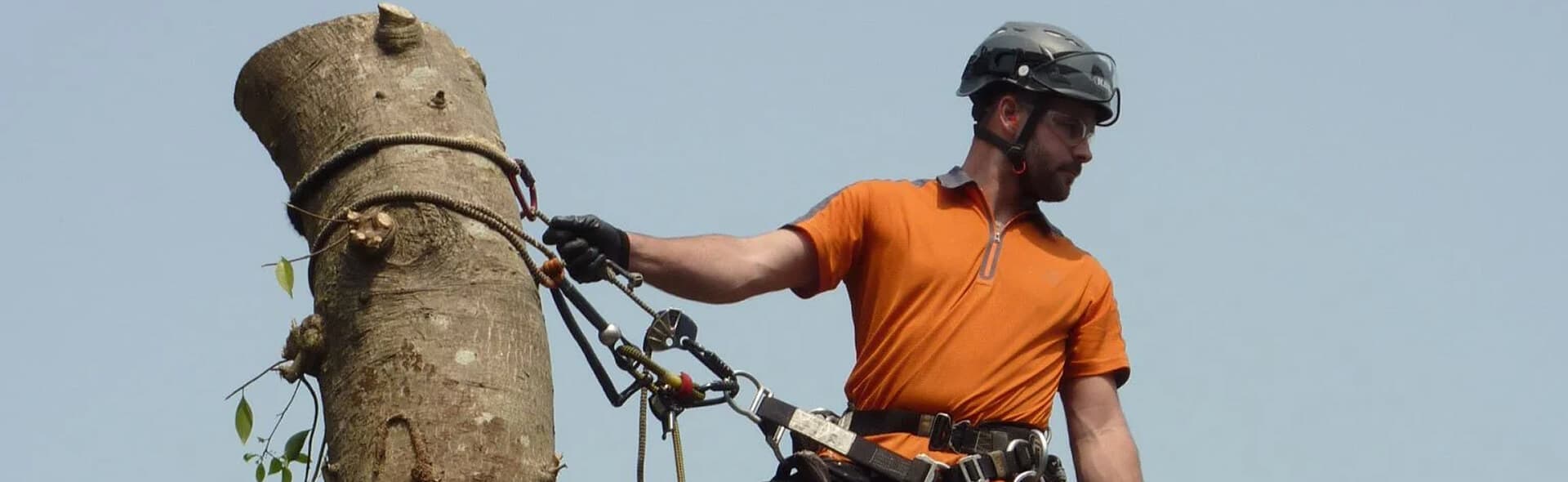
Contract Climber
A skilled climbing arborist available to perform specialized tree pruning, technical removals, rigging, and other aerial tree work using rope and climbing systems.
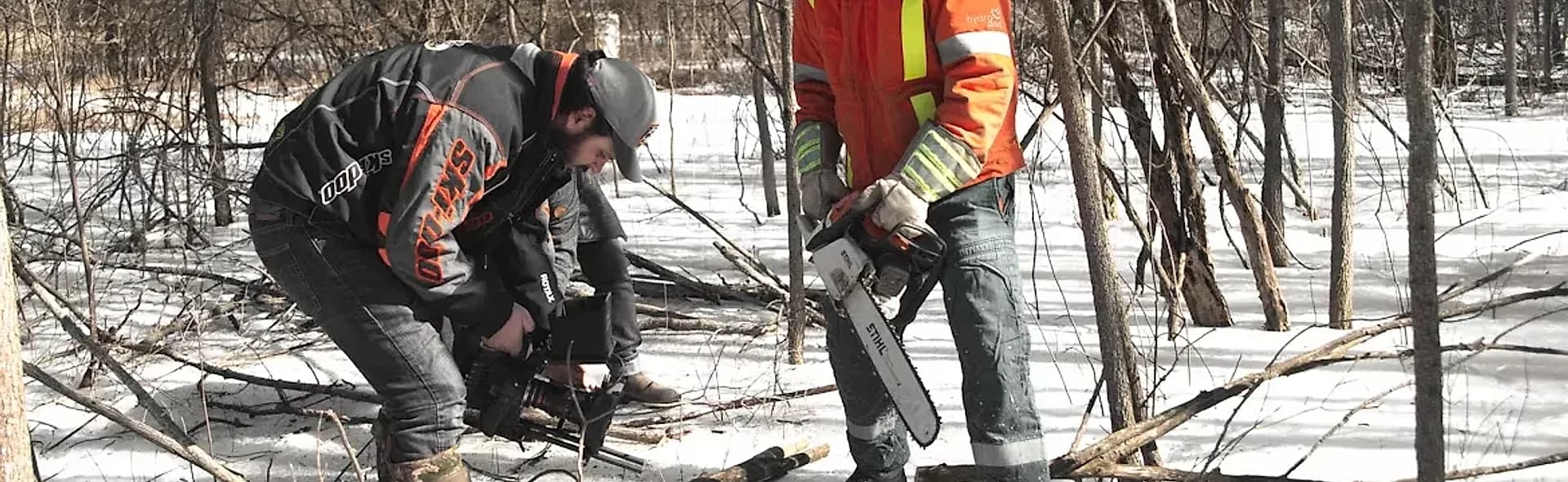
Ground Support
Experienced ground personnel available to assist with rigging, ropes, chainsaw work, chipping, moving tree debris, cleanup, and general support of aerial tree operations.
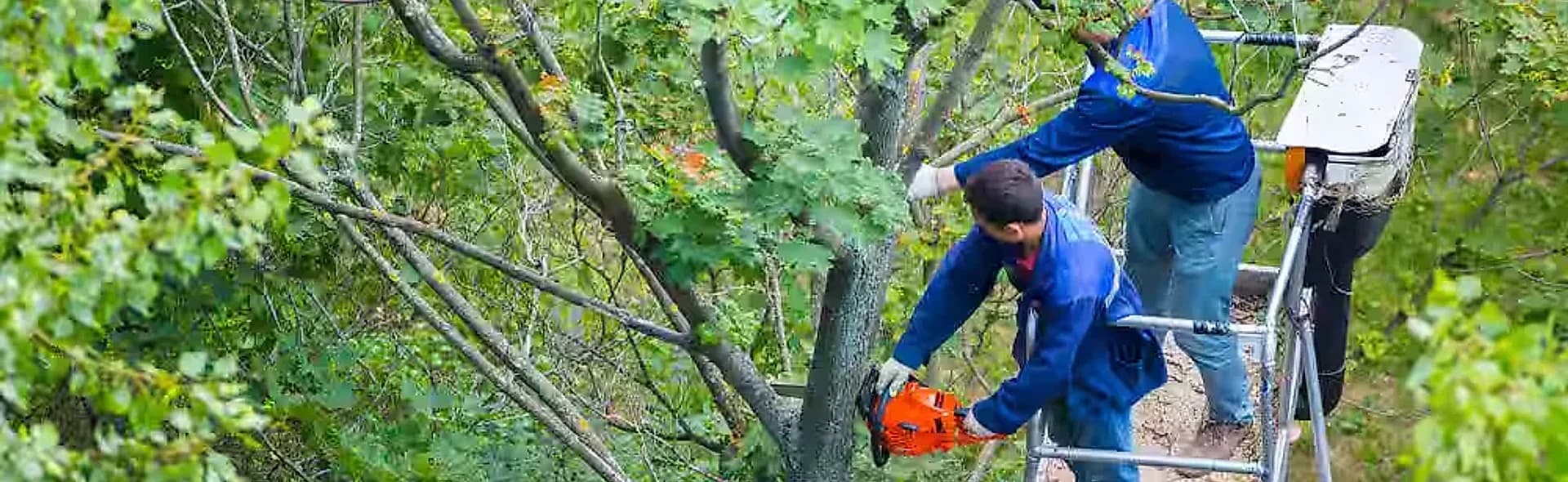
Tree Pruning Specialist
An experienced pruning arborist specializing in proper branch selection, structural pruning, crown reduction, restoration, clearance, tree preservation, and canopy management.
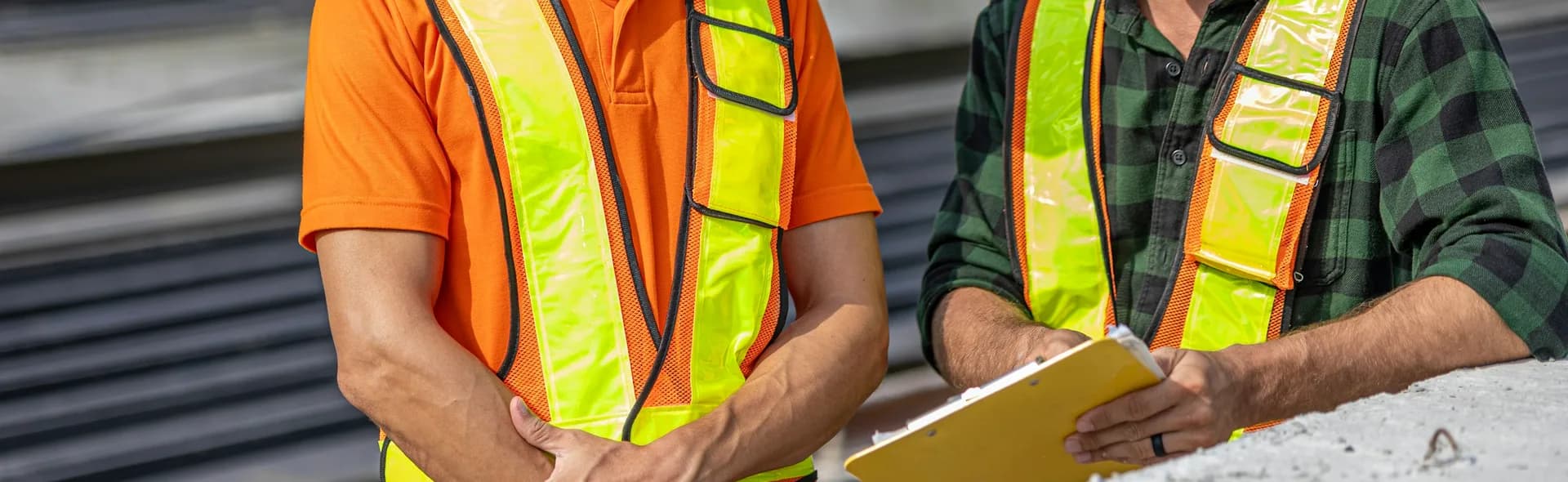
Safety, Aerial Rescue and Climbing Trainer
A trainer who builds and delivers a tree care company's safety programme and its hands-on climbing instruction — written policies and tailgate briefings, climbing systems and work positioning, rigging technique, and timed aerial rescue practice. Often a Certified Treecare Safety Professional (CTSP), engaged for a specific programme of training or kept on as an ongoing safety resource.
Find Trusted Climber with Ground Support
Near You
Questions about Climber with Ground Support?
Need help finding the right help for your project? Our team is here to assist with any questions about climber with ground support and specialized services.