

Ground Support
Ground work is where most of a tree job's time actually goes. Ropes and rigging run from the ground, the drop zone is managed from the ground, and every branch that comes out of the tree has to be dragged, chipped or loaded by someone standing on it. A crew short of ground support doesn't climb slower — it finishes hours later.
 Ground Support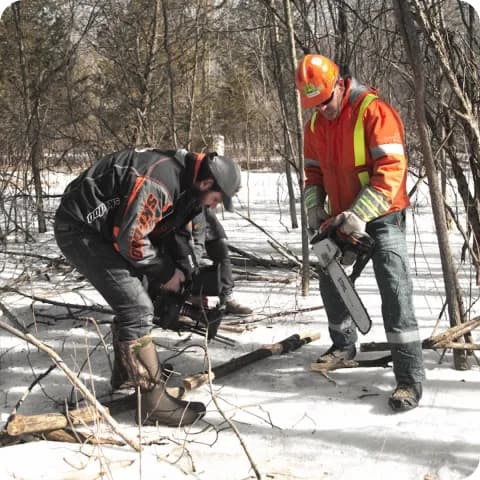
It is also skilled work, which the job title undersells. Reading what the climber is doing, keeping a rigging line clean, feeding a chipper safely, and keeping the public out of the drop zone are all judgement, and the experienced ground worker is the one who notices the problem before the climber does.
Post the job with the number of ground crew you need and providers within range are notified. Ground support is often posted alongside climbing on the same job, with its own crew size, so both fill independently — you're not waiting on one provider who happens to have both.
The clearest sign you need ground crew is a climber waiting. If the person in the tree is pausing between cuts because the drop zone is still full, you are paying climbing rates for dragging brush. Storm cleanup, large removals with long hauls to the chipper, and any job with a walk between the tree and the truck all bend the same way.
Experience shows up in anticipation. A good ground worker has the rope ready before it's asked for, keeps the drop zone clear without being told, notices the pedestrian approaching the tape, and feeds the chipper at a rate that doesn't stall it. Ask about the chippers and rigging systems they've worked with, and whether they hold a saw ticket — ground-level cutting is often half the day.
Ground support is typically a day rate per person, lower than climbing rates but the highest-leverage money on a busy job, since it's what keeps the expensive people productive. As always, the number is agreed between you and the provider directly.
For providers, ground work is how many people enter this industry and how a lot of climbers keep their calendar full between aerial bookings. List the equipment you're competent with, whether you hold a CDL, and any certifications — companies filter on exactly those, and a profile that answers them gets messaged first.
Set a service radius that reflects a realistic commute, since this is usually day work rather than a multi-week booking. The exception is storm response, where ground labour is the bottleneck for weeks; travel dates put you in searches in an affected region for as long as you're there.
What ground crew actually do all day
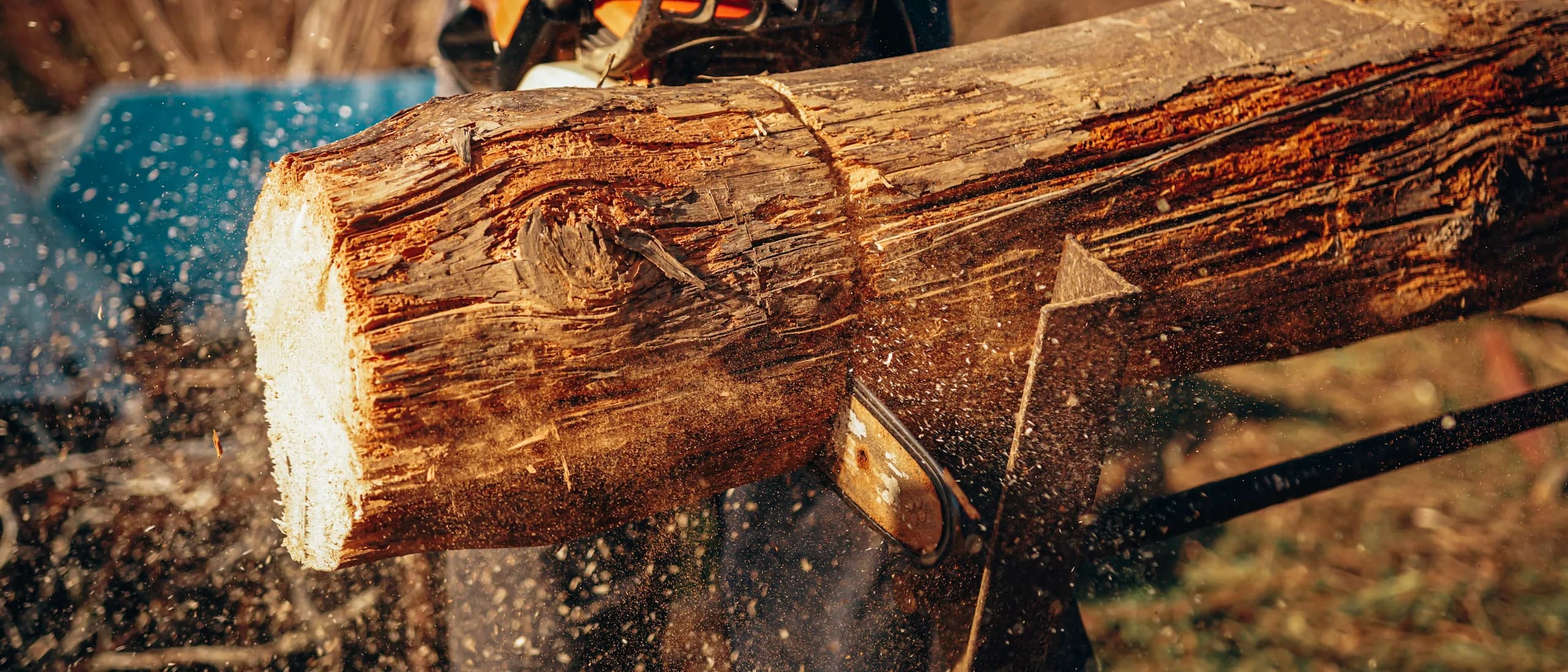
Ground work is rigging, drop-zone management, brush handling and cleanup, in roughly that order of importance. On a rigged removal the ground worker is running the lowering device, taking load off the climber's cuts, and controlling the descent of pieces that weigh more than they do. That is the skilled part, and it is invisible from the street.
Between picks the same person is dragging brush, feeding the chipper, cutting rounds to size and keeping the drop zone clear so the next piece has somewhere to land. On street work they are also managing pedestrians and traffic, which on a busy road is a full-time job by itself.
Cleanup closes the day and is what the customer actually sees. A site raked, blown and left tidy is most of the difference between a job people recommend and one they merely tolerate.
Skills, tickets and gear
Chainsaw competence at ground level is close to universal, and a formal ticket is worth asking about. Beyond that, the differentiators are rigging knowledge, chipper experience — different machines feed very differently and jam in different ways — and traffic-control training for roadside work.
Personal protective equipment is the ground worker's own: helmet, eye and hearing protection, gloves, chainsaw trousers and boots. If a provider turns up without them, that tells you everything about the rest of their standards.
Larger equipment is yours. Say in the posting what the site has — chipper size, whether there is a truck, whether rigging gear is provided — because a ground worker planning to bring their own saw wants to know whether it is needed.
What ground support costs
Day rates per person are the norm, and they sit below climbing rates while being the highest-leverage spend on a busy job. A climber waiting for a drop zone to clear is the most expensive idle time on any site, and ground crew are what prevent it.
Multi-day bookings usually price better per day. Storm work prices differently again, because everyone needs hands at once and the crews who travel for it are pricing travel and accommodation into the number.
The rate is agreed directly between you and the provider. Treelign handles no payments — agree hours, overtime and what happens if the day runs long before it does.
Common mistakes when hiring ground crew
Treating it as unskilled labour is the big one. A ground worker who does not understand rigging is a hazard beneath a loaded rope, and the cost of that mistake is not measured in day rates.
Under-crewing is the second. One ground worker to one climber is workable on a small pruning job and hopeless on a large removal, where the brush accumulates faster than one person can process it. Two to one is common for a reason.
The third is failing to say what the site is like. A long drag from tree to chipper, a steep garden, or a job where everything must be carried through a house all change how many people the day needs — and nobody can price that from a tree species and a height.
Hiring ground support on Treelign
Post ground support as its own service with its own crew size, alongside the climbing on the same job. Because each service fills independently, you are not waiting on one provider who happens to offer both — the climber and the ground crew can come from different people entirely.
Providers within range are alerted immediately, and their profiles list saw tickets, equipment experience and any CDL, which is what you want to filter on before messaging.
Rates are settled directly with the provider. Browsing the job is public; a free account is what allows applying, messaging and seeing the exact address.
Frequently Asked Questions
What does ground support cover?

Rope and rigging work from the ground, managing the drop zone, dragging and processing brush, feeding the chipper, chainsaw work at ground level, loading, and site cleanup. Experienced ground crew also handle traffic and pedestrian control on street work, which is often the difference between a smooth day and a stopped one.
Do I need ground crew if I'm hiring a climber?
Someone has to do it. If your own crew can cover it, no — if not, hire it. You can also hire a climber who brings their own ground support as a pair, which suits companies who are short of people generally rather than short of climbing.
What equipment does a ground worker bring?
Personal protective equipment and usually their own saw; the rigging gear, chipper and trucks are typically the hiring company's. Say in the job what you're providing — it's the most common mismatch on a first day together.
Can I hire ground crew for storm cleanup?
Yes, and it's one of the most common uses. Storm work is heavy on ground labour — clearing, dragging, chipping and loading for days. Post the crew size and the location; providers who've listed travel dates for your area will see it too.
What is Treelign?
Treelign is a hiring platform built specifically for the tree care industry. Tree service companies post jobs for the positions and equipment they need, and qualified tree professionals nearby are notified and can apply immediately. It connects companies with contract climbers, crane and bucket truck operators, stump grinders, trainers and other specialists — without cold calls or Facebook group posts. Browsing is public; a free account is needed to apply, message a provider, or see a job's exact address.
How is Treelign different from Facebook groups or general job boards?
General job boards and Facebook groups aren't built for tree work. Treelign is structured around the industry's actual positions and equipment, matches by service area, and notifies qualified professionals the moment a job is posted. Instead of broadcasting into a group and hoping the right climber sees it, you reach the people who do that specific work near you — and each service on a job carries its own crew size, so a job can be filled by several providers at once.
Related services
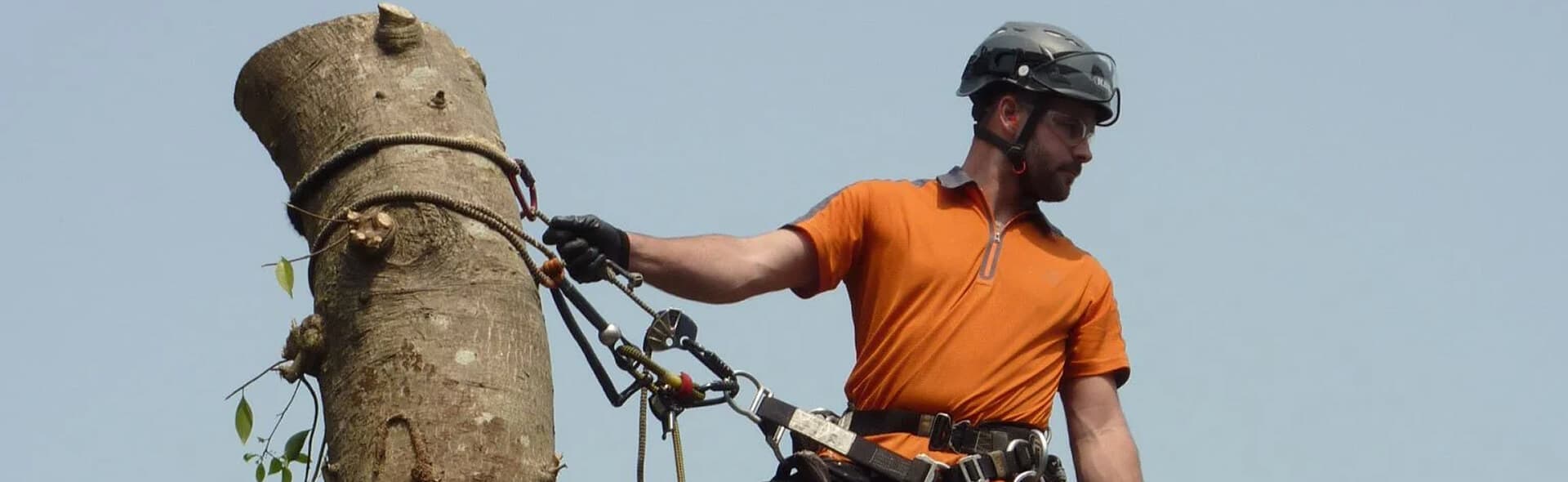
Contract Climber
A skilled climbing arborist available to perform specialized tree pruning, technical removals, rigging, and other aerial tree work using rope and climbing systems.

Climber with Ground Support
A contract climber accompanied by a qualified ground support person, providing a coordinated two-person team for climbing, rigging, debris handling, and cleanup.
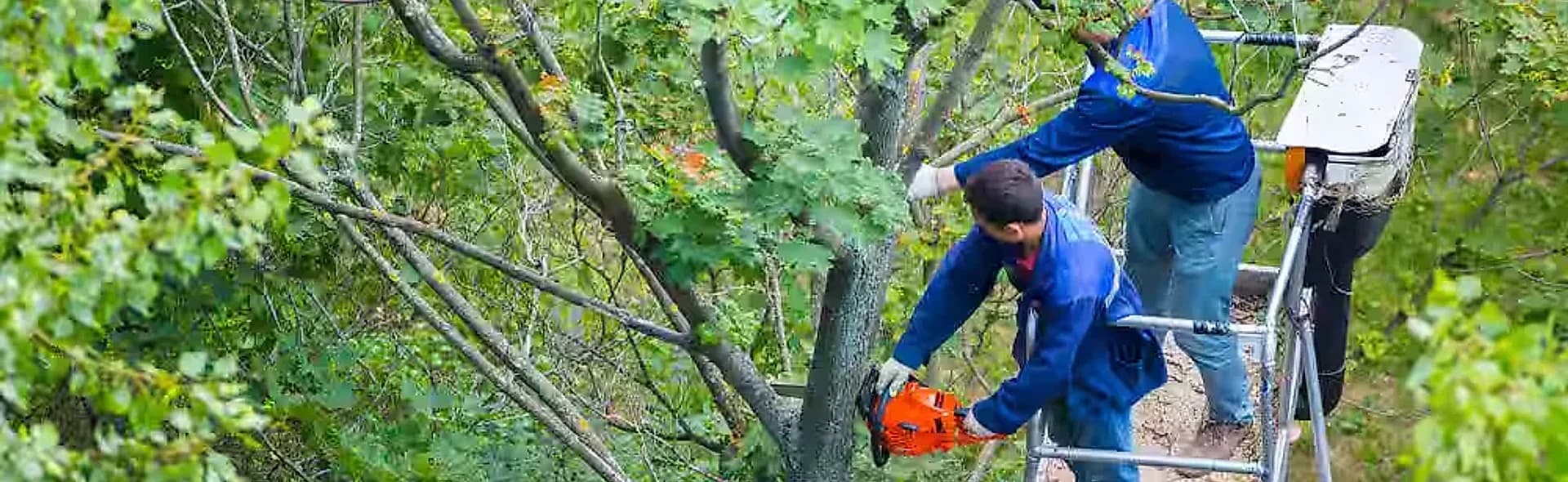
Tree Pruning Specialist
An experienced pruning arborist specializing in proper branch selection, structural pruning, crown reduction, restoration, clearance, tree preservation, and canopy management.
Safety, Aerial Rescue and Climbing Trainer
A trainer who builds and delivers a tree care company's safety programme and its hands-on climbing instruction — written policies and tailgate briefings, climbing systems and work positioning, rigging technique, and timed aerial rescue practice. Often a Certified Treecare Safety Professional (CTSP), engaged for a specific programme of training or kept on as an ongoing safety resource.
Find Trusted Ground Support
Near You
Questions about Ground Support?
Need help finding the right help for your project? Our team is here to assist with any questions about ground support and specialized services.