

Safety, Aerial Rescue and Climbing Trainer
Tree work is one of the most dangerous jobs there is, and almost none of what makes it safer is equipment. It is a written programme somebody maintains, briefings that happen before the work rather than after the incident, climbers who have actually practised getting an injured colleague out of a tree, and a company culture where stopping is an acceptable answer. All of that has to be taught.
 Safety, Aerial Rescue and Climbing Trainer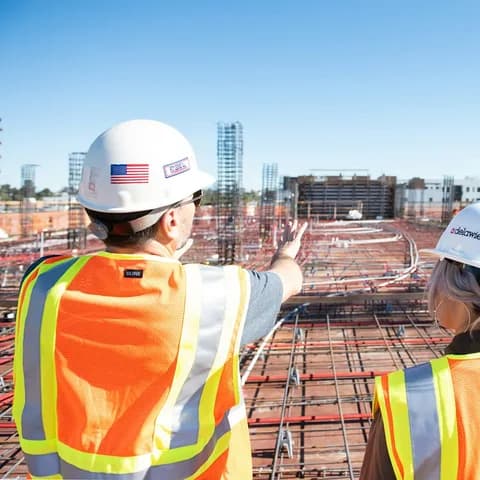
This service covers both halves of that: the safety professional who builds and runs the programme, and the instructor who teaches climbing systems and aerial rescue in the tree. In practice they are frequently the same person, and hiring them together is how a company gets a programme that matches what its crews can actually do.
On Treelign, trainers set their own service area and rates. Post the job with the crew size, their experience and what you need covered, and trainers whose radius covers you are notified and can apply. You review who applies, read their reviews and agree terms directly with them — Treelign carries no payments and takes no percentage.
The written programme is the part companies most often lack. Job hazard analyses for the work you actually do, policies on PPE, chainsaw use, rigging, drop zones and electrical hazard awareness, and a defined process for reporting and investigating incidents. Without the document, everything is verbal and unprovable.
The aerial rescue half is the part crews most often overestimate. The measure that matters is how long your crew actually takes to reach an injured climber, stabilise them and get them down — practised as timed scenarios, not described in a classroom. Most crews are slower than they believe, and a crew that last practised eighteen months ago is, in practical terms, a crew that has not practised.
Climbing instruction beyond rescue is where efficiency and fatigue are decided. Access methods and when each suits the tree in front of you rather than the habit of the climber, work positioning and movement in the canopy, rigging technique where the forces are routinely underestimated, and equipment inspection and retirement criteria a crew can actually articulate.
Generic construction safety training does not cover any of this. Chainsaw kickback, cutting under tension, drop-zone management, rigging force multiplication, aerial rescue and working near energised conductors are the things that injure tree workers, and the CTSP credential exists precisely because of that gap.
Training travels easily, so expect useful applicants from a wider radius than for equipment hire — including trainers using travel dates while delivering courses in your region. During those dates they appear in searches at that destination for the services they have brought with them.
What a safety programme actually contains
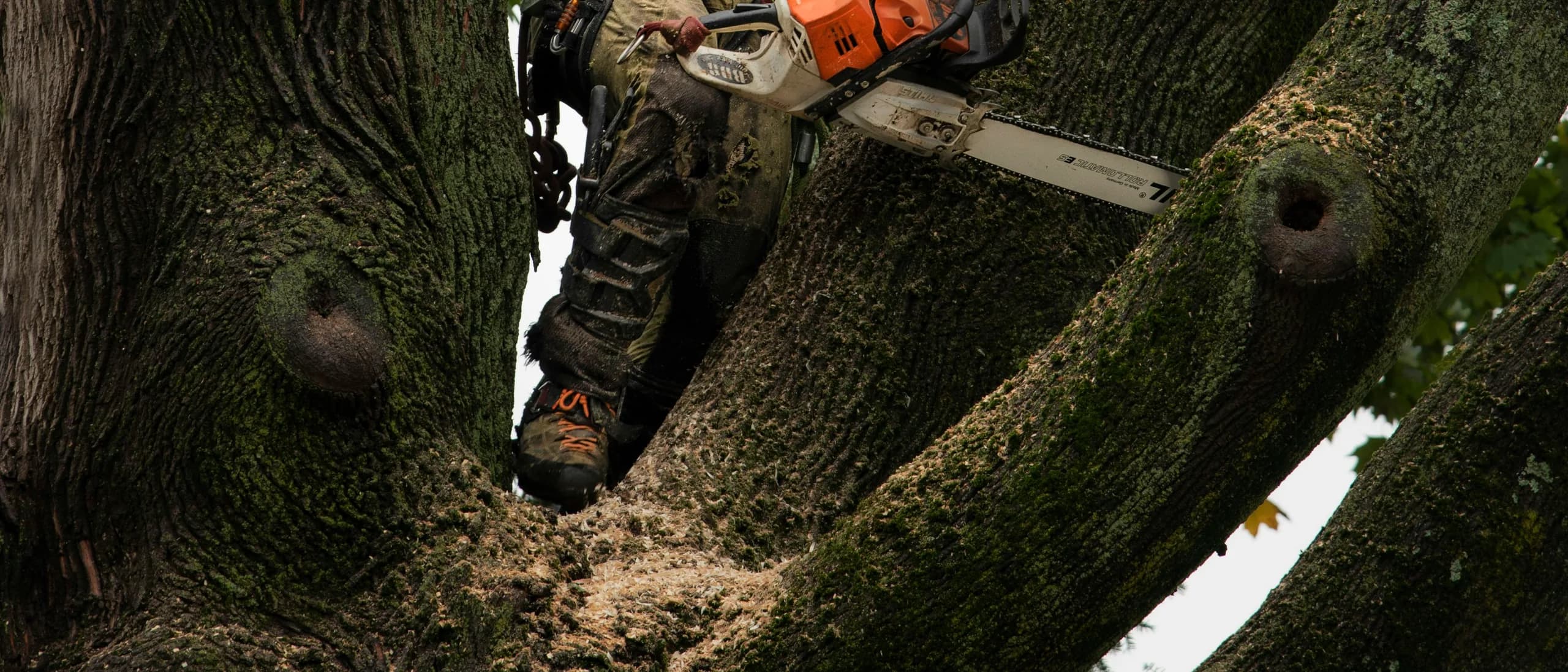
A written programme is the backbone: job hazard analyses for the work you actually do, policies on PPE, chainsaw use, rigging, aerial rescue, electrical hazard awareness and drop zones, plus a defined process for reporting and investigating incidents. Without the document, everything else is verbal and unprovable.
Then the delivery. Tailgate briefings against the specific work coming up that morning, deeper training sessions on a schedule, and refreshers after any incident, near miss or change of crew. Frequent and short beats annual and long, every time.
Finally the audit trail — attendance records, briefing logs, equipment inspection records, incident reports and their follow-up actions. This is what an insurer, a client or an accreditation body asks for, and it is what exists on the day something goes wrong.
Aerial rescue, and how often a crew should practise
Reaching an injured climber quickly, assessing and stabilising them, and getting them to the ground safely — practised as timed scenarios. The awkward ones are what matter: an unresponsive climber, a climber suspended on a system nobody else set up, a rescue from a spar with no branches to work from, and a rescue from an aerial lift, which is a different problem again.
Suspension trauma is part of it. A conscious climber hanging motionless in a harness deteriorates faster than most people expect, which is why the target is minutes rather than however long it takes to fetch help.
Often enough that nobody has to think about the first three steps. Many programmes run scenarios several times a year rather than annually, and always after a change of crew, a change of equipment, or an incident. Rescue kit placement is part of the practice — a plan that depends on equipment nobody can locate has not been tested.
Climbing instruction beyond rescue
Access methods and their trade-offs — footlock, single rope technique, moving rope systems, spur climbing where appropriate — and when each suits the tree in front of you rather than the habit of the climber.
Work positioning and movement in the canopy, which is where efficiency and fatigue are decided, and rigging technique, where the forces involved are routinely underestimated by people who have been doing it for years.
Equipment inspection and retirement criteria. Ropes, saddles, hardware and helmets all have service lives and damage thresholds, and a crew that cannot articulate them is a crew climbing on gear nobody has assessed.
What training costs
Day rates for delivered training covering a crew up to a given size, a project fee for building or overhauling a written programme, and monthly retainers for ongoing support are the three common shapes. The retainer is where most of the value sits, because safety culture is maintained rather than installed.
On-site delivery costs less than sending people away and is usually more effective, because the training happens on your trees with your gear and surfaces the problems that would actually affect you. Frequency matters more than duration — several short practical sessions across a year beat one long annual day.
Set against it the cost of the alternative: a single lost-time injury, an insurance loading, or a commercial contract lost for missing documentation. Terms are agreed directly between you and the trainer; Treelign carries no payments.
Hiring a trainer on Treelign
Post the job with the number of climbers, their experience level, whether you want rescue specifically, broader climbing and rigging instruction, programme development, incident review or an ongoing retainer, and where the training will happen. Trainers whose radius covers you are alerted immediately.
Set the location to your own yard or a job site where you can. Training on your trees with your gear is what surfaces the problems that would actually affect you, and it costs less than sending a crew away.
Profiles list credentials held, whether they deliver hands-on field training, programme development or both, and whether they take retainers. Read the reviews — this is judgement work, and previous companies' experience is the best signal available.
Frequently Asked Questions
What is a CTSP?

A Certified Treecare Safety Professional — a credential built around this industry's hazards and its programme-building requirements rather than around a generic construction standard. It exists because general safety training does not cover chainsaw kickback, cutting under tension, drop-zone management, rigging forces, aerial rescue or working near energised conductors.
How often should a crew practise aerial rescue?
Often enough that nobody has to think about the first three steps — many programmes run timed scenarios several times a year, and always after a change of crew, a change of equipment, or an incident. A crew that last practised eighteen months ago is, in practical terms, a crew that has not practised.
Do small companies need a safety programme?
More than large ones, not less. A big company has someone whose job safety is; a three-person crew has an owner who climbs all day and is expected to write policy in the evening. Accreditation and client prequalification schemes increasingly require documented programmes, and insurers care too — demonstrable training and incident review can affect what cover costs and whether it is offered.
Can training be delivered on our own site?
Yes, and it is usually the better option. On-site delivery costs less than sending people away, and training on your trees with your own gear surfaces the problems that would actually affect your crew — which a classroom or a hire-site course cannot. Set the job location to your yard or a job site when you post.
What is Treelign?
Treelign is a hiring platform built specifically for the tree care industry. Tree service companies post jobs for the positions and equipment they need, and qualified tree professionals nearby are notified and can apply immediately. It connects companies with contract climbers, crane and bucket truck operators, stump grinders, trainers and other specialists — without cold calls or Facebook group posts. Browsing is public; a free account is needed to apply, message a provider, or see a job's exact address.
How is Treelign different from Facebook groups or general job boards?
General job boards and Facebook groups aren't built for tree work. Treelign is structured around the industry's actual positions and equipment, matches by service area, and notifies qualified professionals the moment a job is posted. Instead of broadcasting into a group and hoping the right climber sees it, you reach the people who do that specific work near you — and each service on a job carries its own crew size, so a job can be filled by several providers at once.
Related services
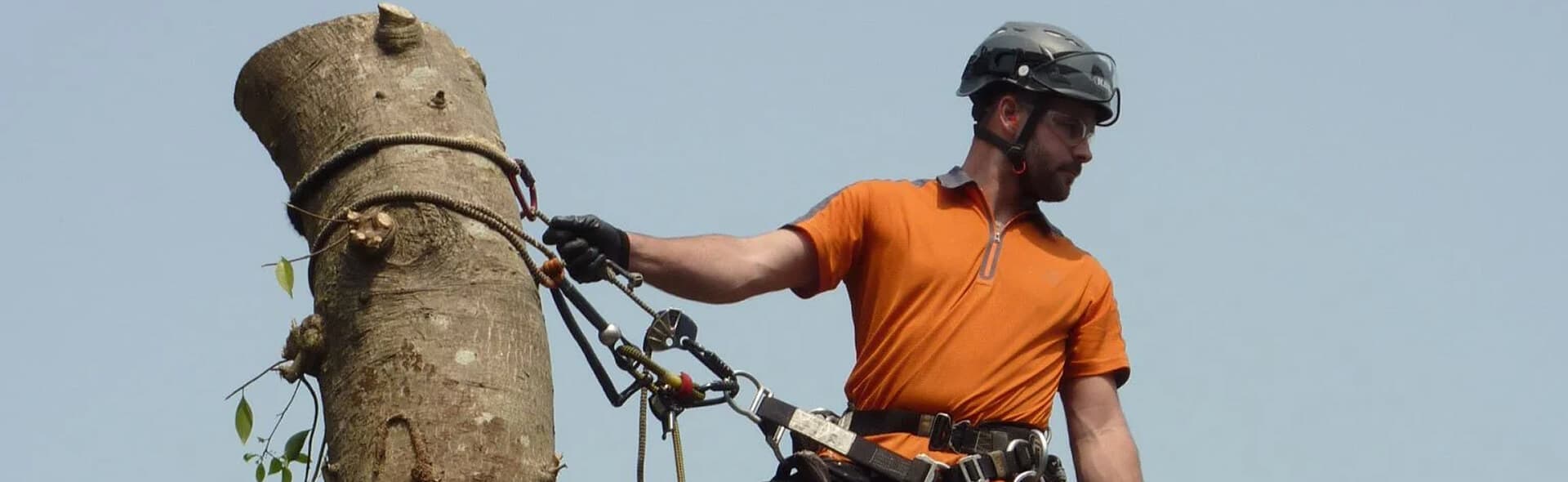
Contract Climber
A skilled climbing arborist available to perform specialized tree pruning, technical removals, rigging, and other aerial tree work using rope and climbing systems.
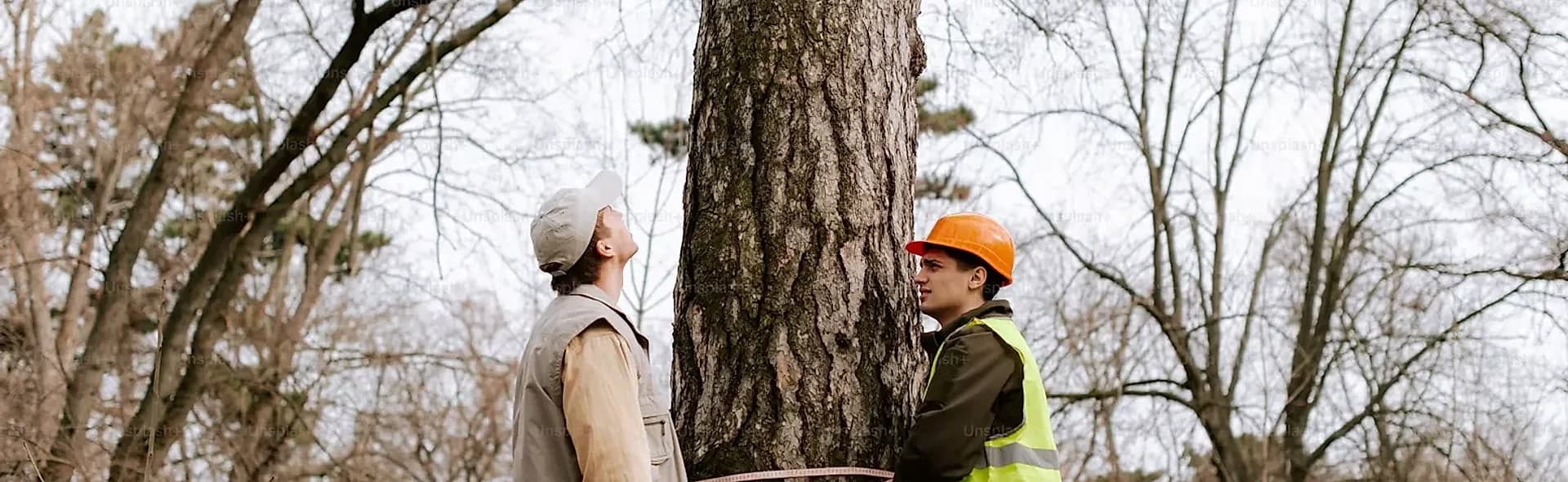
Climber with Ground Support
A contract climber accompanied by a qualified ground support person, providing a coordinated two-person team for climbing, rigging, debris handling, and cleanup.
Ground Support
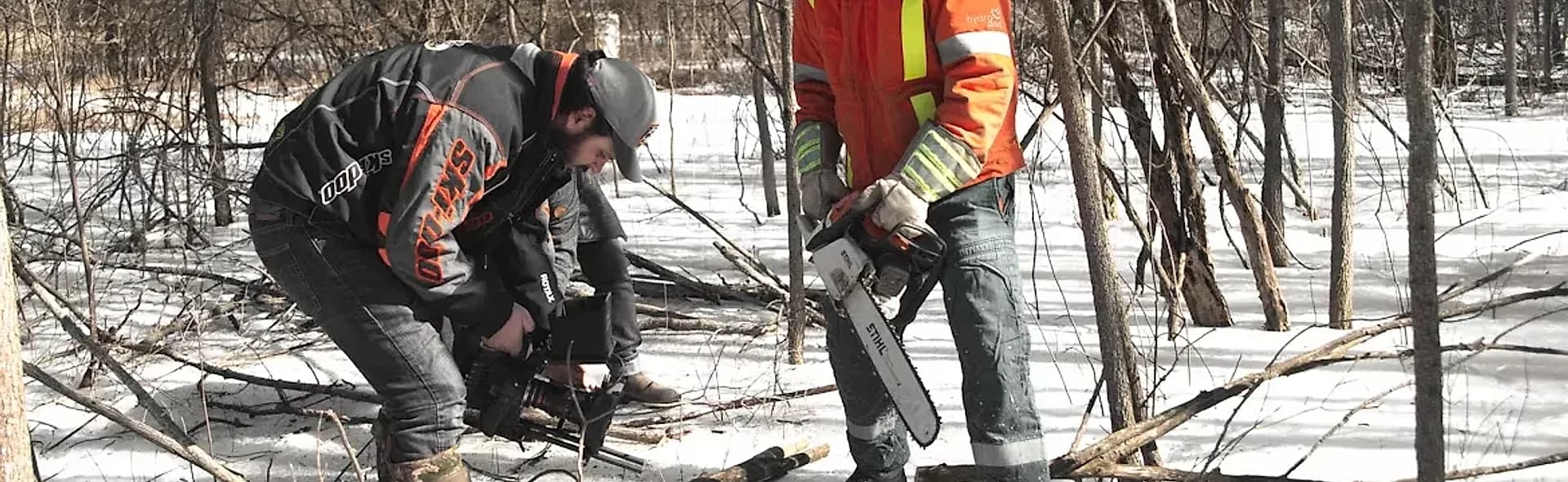
Experienced ground personnel available to assist with rigging, ropes, chainsaw work, chipping, moving tree debris, cleanup, and general support of aerial tree operations.
Tree Pruning Specialist
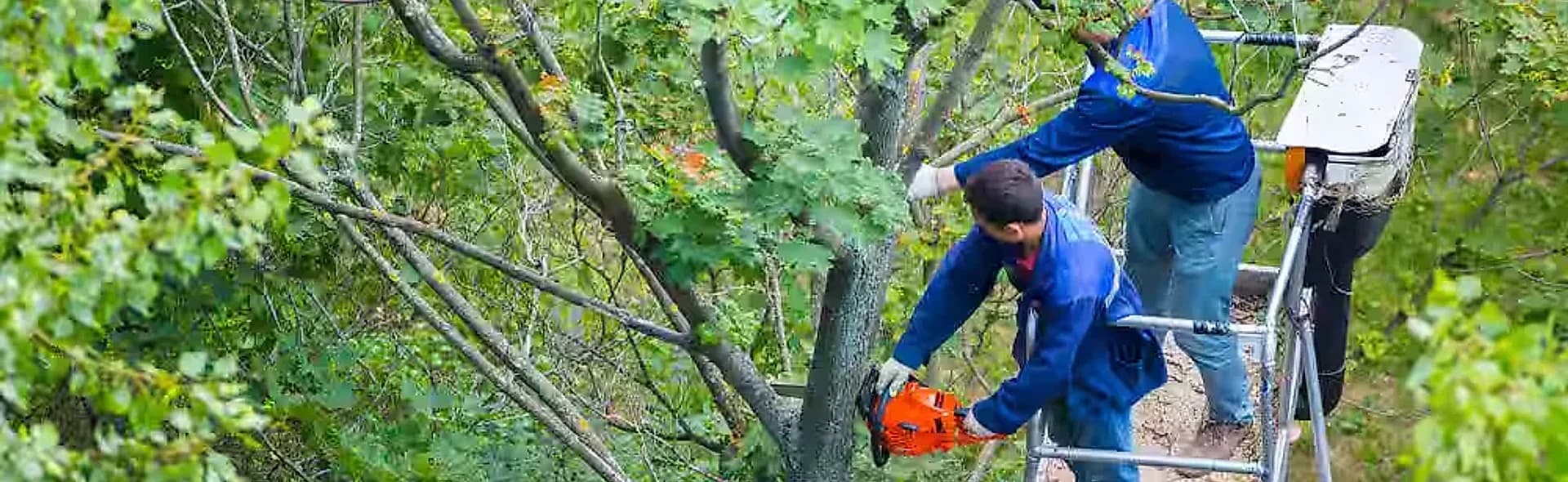
An experienced pruning arborist specializing in proper branch selection, structural pruning, crown reduction, restoration, clearance, tree preservation, and canopy management.
Find Trusted Safety, Aerial Rescue and Climbing Trainer
Near You
Questions about Safety, Aerial Rescue and Climbing Trainer?
Need help finding the right help for your project? Our team is here to assist with any questions about safety, aerial rescue and climbing trainer and specialized services.