

Tree Pruning Specialist
Anyone can remove a tree badly and it still ends up gone. Pruning is different: a poor cut stays in the tree for the rest of its life, and bad pruning is visible for decades. A pruning specialist is hired for branch selection — knowing which limbs to take, where the cut goes relative to the collar, and how much can come out in one season without setting the tree back.
 Tree Pruning Specialist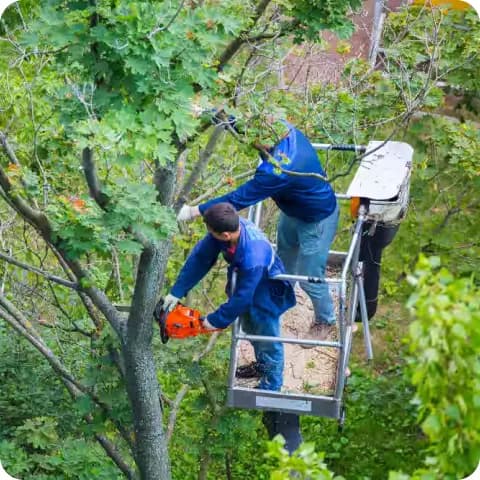
The work spans structural pruning on young trees, crown reduction and thinning on mature ones, restoration after storm damage or topping, and clearance from buildings, roads and lines. Each has a different objective, and the specialist's value is knowing which one the tree in front of them actually needs.
Post the job with the trees and objectives, and pruning specialists whose radius covers you are notified. This is work that suits a conversation before the day, so expect providers to message with questions — species, size, access and what the customer is trying to achieve all change the approach.
Pruning gets commissioned for clearance from a building, road or line; for structure on a young tree that will be cheaper to fix now than in fifteen years; for deadwood over somewhere people stand; for restoration after storm damage or a previous topping; and for a customer who simply wants more light. Each is a different objective, and the cuts differ accordingly.
The specialist's value is restraint, and it is hard to sell. Anyone can take a third of the crown out; knowing that this particular mature oak should lose eight percent this season and the rest in two years is the expertise. Ask how much live crown they'd remove and why, and be wary of an answer that doesn't depend on the species and the tree's condition.
Pruning is usually priced per tree or by the day, and by the day tends to suit multi-tree work where the assessment matters as much as the cutting. Access, drop-zone constraints and cleanup drive the number more than trunk diameter does. Rates are agreed directly between you and the provider.
For providers, pruning is the work that builds a reputation, because it stays visible for decades and customers ask who did it. On your profile, list the standards you work to, any certification, and the kind of pruning you specialise in — restoration and structural work in particular are worth naming, since companies search for them specifically.
Timing is regional and species-dependent — oak wilt windows, elm restrictions, and the general preference for dormancy all shape the calendar. Set your radius for the distance a day's pruning justifies, and use travel dates if you take on a contract away from home.
The pruning types and what each is for
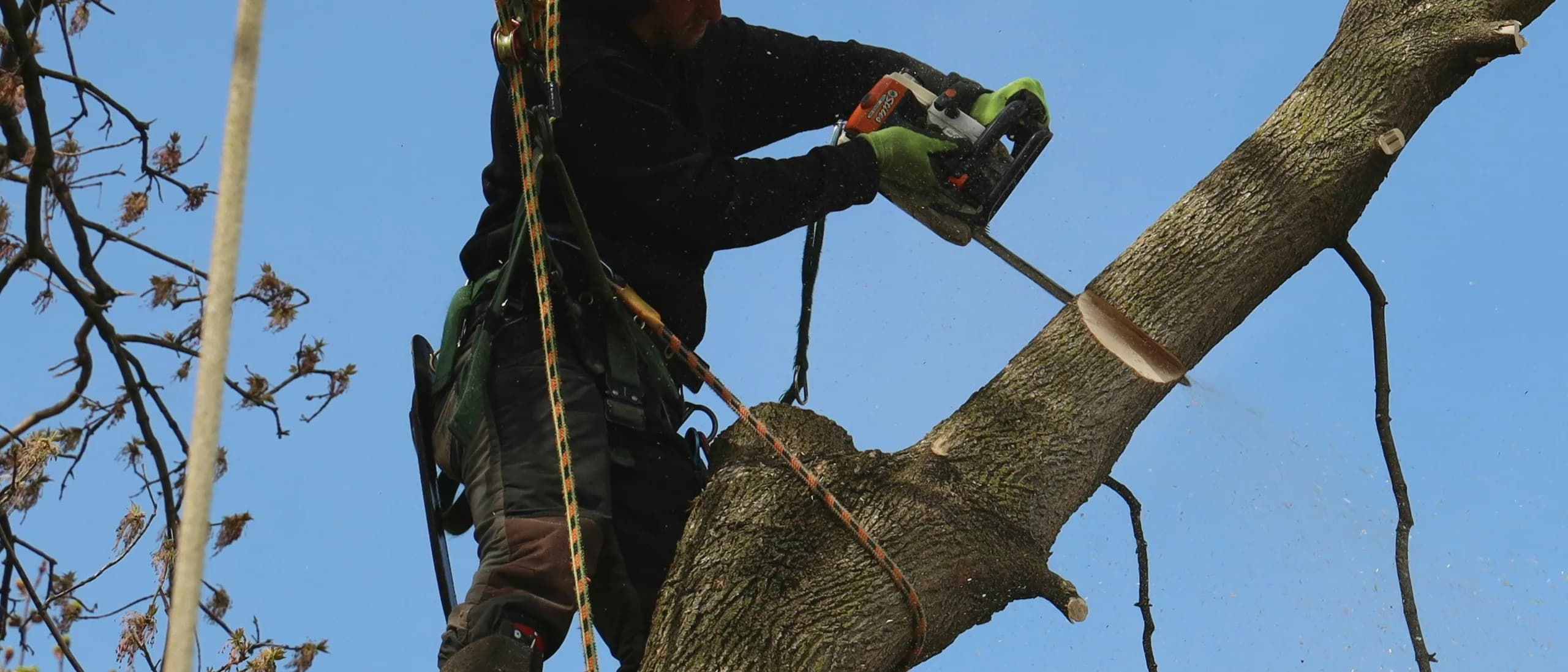
Structural pruning on a young tree removes competing leaders and badly attached limbs while the wounds are small and the tree can compartmentalise them easily. It is the cheapest work in arboriculture and the most valuable, because it prevents the failures that cost thousands two decades later.
Crown cleaning removes dead, diseased and crossing branches without changing the tree's shape. Crown thinning selectively reduces density to let light and wind through, and is very easy to overdo. Crown reduction shortens limbs back to laterals large enough to take over, keeping the tree's form while reducing its size.
Clearance pruning — from buildings, roads, sight lines and conductors — is specification-driven rather than aesthetic, and restoration pruning is the long process of rebuilding a structure after storm damage or previous topping. Each has a different objective and a different set of cuts.
Standards, cuts and how much is too much
Every cut should be made just outside the branch collar, leaving the collar intact so the tree can seal the wound. Flush cuts remove the tissue that does the sealing; stub cuts leave dead wood that decays back into the stem. Both are visible for the life of the tree.
How much live crown can come out in one season depends on age and vigour. Young, vigorous trees tolerate a good deal; mature trees tolerate very little, and taking too much triggers stress responses and a flush of weak, upright regrowth that has to be managed for years.
Topping is not pruning. It cuts indiscriminately to a height, leaving stubs that decay and produce weakly attached regrowth, and it is the single most damaging thing routinely done to trees. A specialist will decline it and explain the reduction alternative.
What pruning work costs
Pricing is per tree for straightforward work and by the day when several trees need assessment as well as cutting. Access, drop-zone constraints and cleanup drive the figure more than height does — a modest tree over a conservatory is a bigger job than a large one over a lawn.
Expect a staged proposal on mature trees. A specialist recommending two visits across two seasons is not upselling; they are declining to take more crown than the tree can afford in one go.
Rates are agreed directly between you and the provider. Treelign carries no payments, so settle cleanup, whether arisings are chipped or removed, and who is responsible for permits if the tree is protected.
Timing, species and local restrictions
Dormant-season pruning suits most species: the structure is visible, the tree is not spending stored energy on leaves, and wound response begins with the spring flush. Deadwood and hazard reduction can be done any time.
Some species carry hard timing constraints. Oaks in oak wilt regions must not be pruned during the vector season; elms have their own restrictions; some species bleed heavily if cut in late winter. These rules are regional, and a local specialist knows them.
Legal protection is a separate check. Protected trees, conservation areas and planning conditions can all require consent before a cut is made, and the liability for cutting without it sits with the owner as much as the contractor.
Hiring a pruning specialist on Treelign
Post the job with the trees, their rough size, and — most usefully — what you are trying to achieve. Clearance from a roof, more light to a lawn, and reducing a tree's sail area are three different jobs on the same tree.
Specialists whose service radius covers you are alerted straight away. Expect messages with questions before quotes; on pruning that exchange is the work, and a provider who quotes without asking anything is quoting a guess.
Set the crew size to the number of climbers the schedule needs, add ground support and chipping as their own services on the same job, and agree rates directly with whoever you hire.
Frequently Asked Questions
What does a pruning specialist do differently?

They prune to a standard and to an objective rather than cutting back to a shape. That means correct cuts at the branch collar, respecting how much live crown can be removed at once, selecting for structure on young trees, and being able to explain why a limb stays. On mature trees it is mostly restraint.
How much of a tree can be pruned at once?
Less than most customers expect. Mature trees tolerate far less live crown removal than young ones, and taking too much triggers stress responses and vigorous regrowth. A specialist will usually propose staging the work over seasons rather than doing it all in one visit — that recommendation is part of what you're hiring.
Is crown reduction the same as topping?
No, and the distinction matters. Reduction shortens limbs back to appropriately sized lateral branches that can take over, keeping the tree's structure and form. Topping cuts indiscriminately to a height, leaving stubs that decay and produce weak regrowth. Restoration pruning is often what's needed on trees that were topped previously.
When is the best time to prune?
It depends on species and objective — some species have disease pressures that rule out certain seasons, and some work is best in dormancy when structure is visible. Deadwood and hazard reduction can be done any time. Ask the provider: local disease pressures are exactly the sort of thing a specialist in your area will know.
What is Treelign?
Treelign is a hiring platform built specifically for the tree care industry. Tree service companies post jobs for the positions and equipment they need, and qualified tree professionals nearby are notified and can apply immediately. It connects companies with contract climbers, crane and bucket truck operators, stump grinders, trainers and other specialists — without cold calls or Facebook group posts. Browsing is public; a free account is needed to apply, message a provider, or see a job's exact address.
How is Treelign different from Facebook groups or general job boards?
General job boards and Facebook groups aren't built for tree work. Treelign is structured around the industry's actual positions and equipment, matches by service area, and notifies qualified professionals the moment a job is posted. Instead of broadcasting into a group and hoping the right climber sees it, you reach the people who do that specific work near you — and each service on a job carries its own crew size, so a job can be filled by several providers at once.
Related services
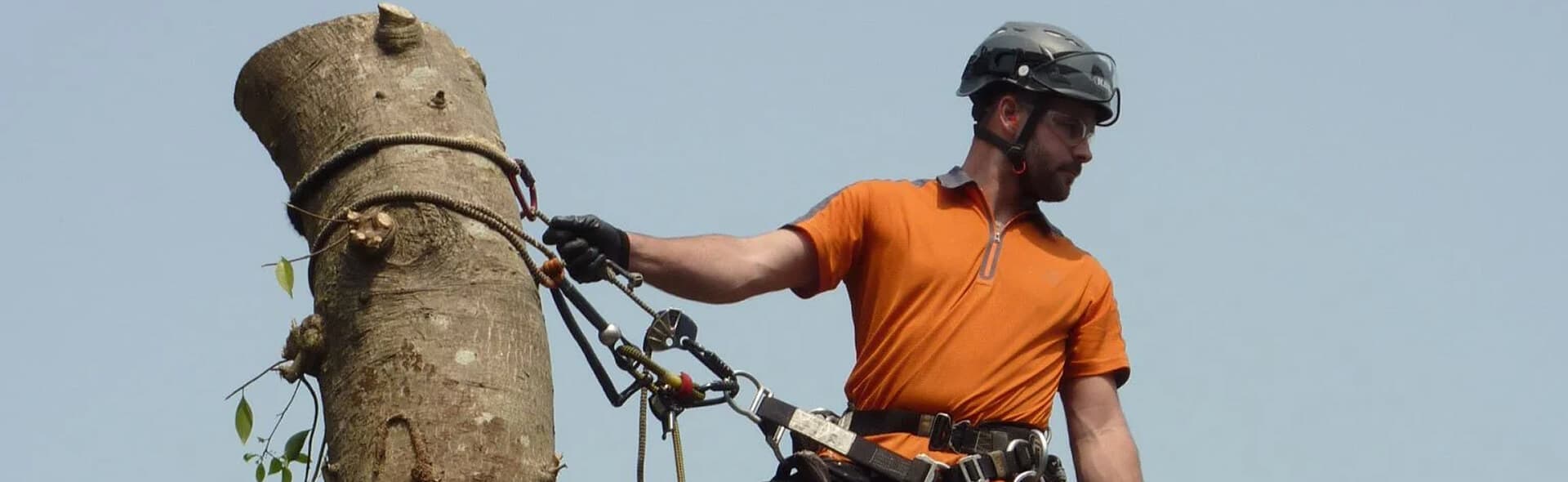
Contract Climber
A skilled climbing arborist available to perform specialized tree pruning, technical removals, rigging, and other aerial tree work using rope and climbing systems.
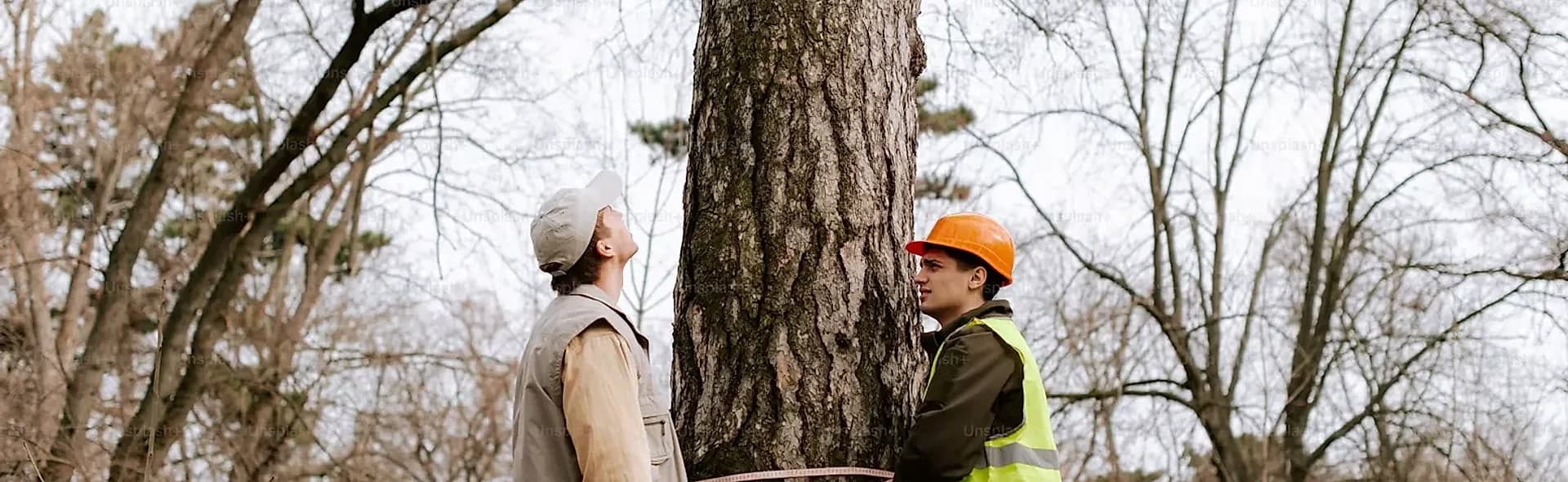
Climber with Ground Support
A contract climber accompanied by a qualified ground support person, providing a coordinated two-person team for climbing, rigging, debris handling, and cleanup.
Ground Support
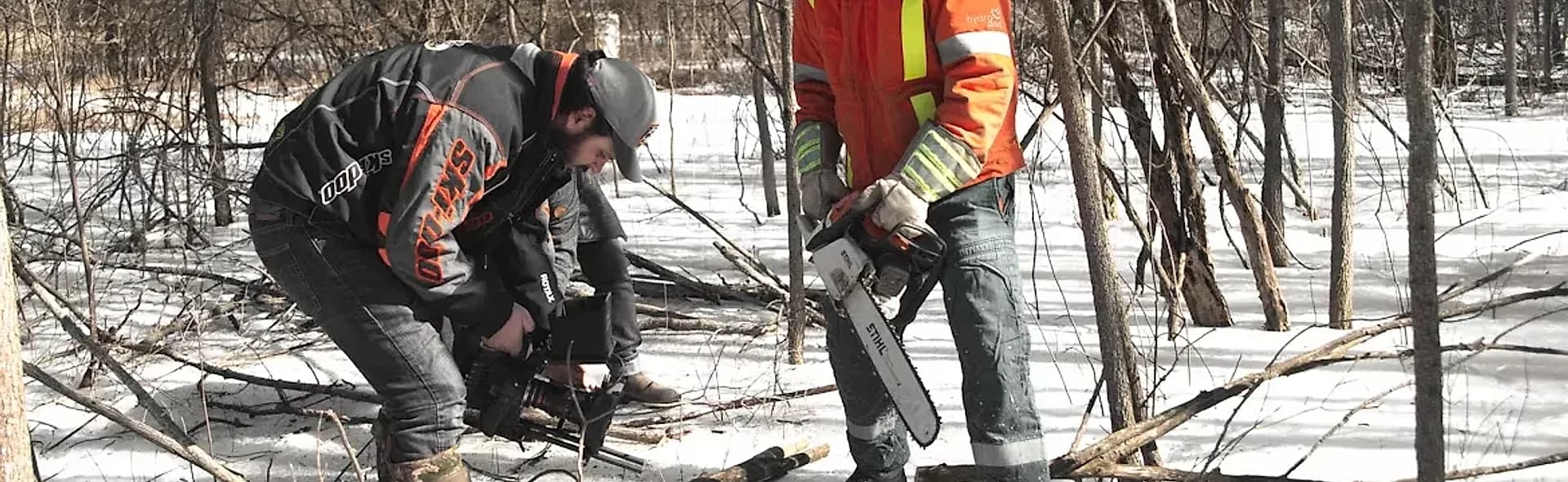
Experienced ground personnel available to assist with rigging, ropes, chainsaw work, chipping, moving tree debris, cleanup, and general support of aerial tree operations.

Safety, Aerial Rescue and Climbing Trainer
A trainer who builds and delivers a tree care company's safety programme and its hands-on climbing instruction — written policies and tailgate briefings, climbing systems and work positioning, rigging technique, and timed aerial rescue practice. Often a Certified Treecare Safety Professional (CTSP), engaged for a specific programme of training or kept on as an ongoing safety resource.
Find Trusted Tree Pruning Specialist
Near You
Questions about Tree Pruning Specialist?
Need help finding the right help for your project? Our team is here to assist with any questions about tree pruning specialist and specialized services.