

Rec Climb/Training
Recreational tree climbing is climbing a tree because the tree is worth climbing. No removal, no pruning, no deadline — a rope, a harness, a canopy, and a few hours spent somewhere most people only ever look at from the ground. It has grown from a curiosity into a real pursuit with its own instructors, its own events and its own standards.
 Rec Climb/Training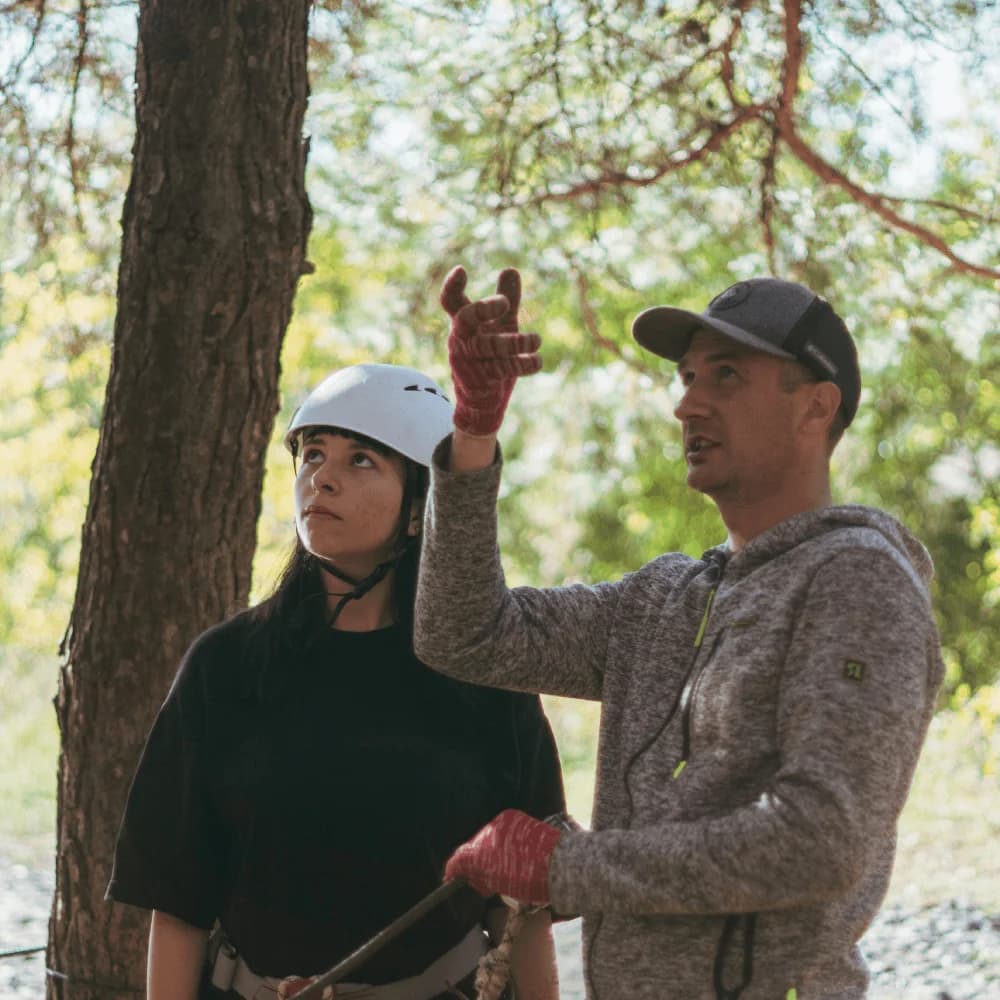
The skills overlap heavily with production tree work, which is why so many of the people teaching it are working arborists. The equipment is largely the same, the knots are the same, and the physics of a rope over a limb does not care why you are up there. What differs is the purpose of the day, and therefore how it is run.
That difference is the reason this is its own category rather than a line under safety training. A working crew books aerial rescue practice because an insurer, an accreditation scheme or a near-miss says they must. A family books a guided climb because it sounds like a good Saturday. The same person may deliver both, but they are not the same service and they are not found the same way.
What is on offer here spans several things. Guided climbs, where an instructor rigs the tree and takes people up with no prior experience needed. Beginner and intermediate courses, which teach people to rig and climb for themselves. Group and event work — schools, scout groups, corporate days, festivals. And canopy experiences at the slower end, including tree-boat setups where people simply stay up there for a while.
There is a professional development strand too. Plenty of working arborists use recreational climbing to build skills they rarely get to practise under production pressure — footlock and SRT technique, limb walking, canopy movement, alternative climbing systems. A day spent climbing without a saw is a day spent thinking about climbing.
Safety is not lighter here because the stakes feel lighter. A beginner in a harness for the first time cannot self-rescue, cannot assess an anchor, and does not know what a shock load is. Everything rests on the instructor's rigging, their judgement about the tree, and their ability to get somebody down who has stopped cooperating — which, with a frightened twelve-year-old, is a real scenario.
The tree itself is chosen rather than assigned, and that is a large part of the craft. A climbing tree needs a sound anchor limb well above the ground, a clear drop zone, no significant deadwood over the working area, and enough structure to make the climb interesting without making it hazardous. Inspecting and setting one properly takes longer than most participants imagine.
Insurance and permission are the two administrative facts that shape this work. Taking members of the public up a tree is not covered by an ordinary tree-care policy, and the landowner — a park authority, a school, a private owner — has to have agreed to it in terms that mention climbing specifically.
Whether you are looking for an instructor or you are one, listing the work here puts it where people are already looking for tree skills, rather than hoping it is found on a general activity site among the zip wires.
How it differs from safety and rescue training
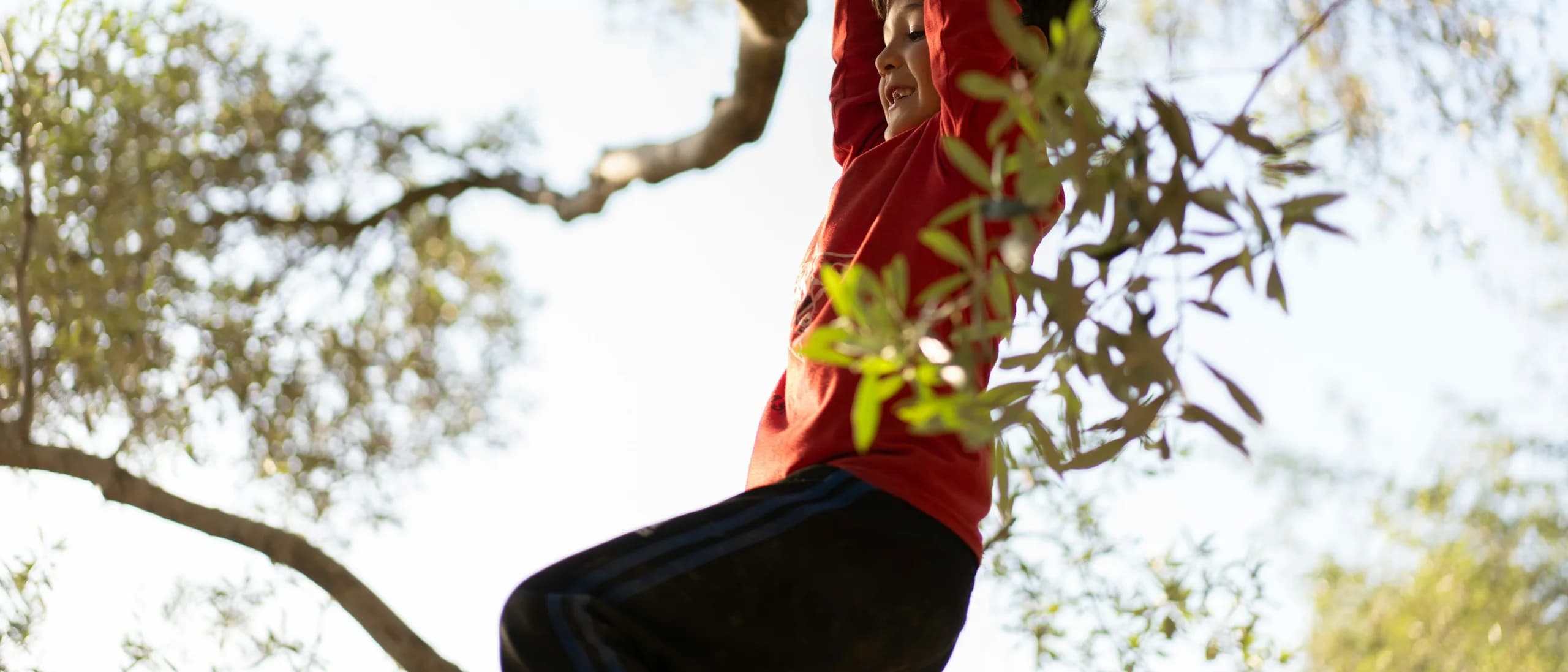
Both appear on Treelign and they answer different questions. Safety, Aerial Rescue and Climbing Trainer is about a working crew's competence and compliance: rescue scenarios, chainsaw technique, rigging forces, programme documentation, the things that stand up to an auditor or an insurer after an incident.
Recreational climbing is about the experience of being in a tree, and about teaching people to do it well enough to enjoy it safely. The outcome is a person who had a good day and came down uninjured, not a documented competency.
The confusion is worth clearing up because the buyers are different. A tree company searching for training wants the first. A parent, a teacher, an events organiser or an arborist on a day off wants the second. Filing them together meant both searches returned half the wrong thing.
That said, the overlap in practitioners is genuine, and there is no reason not to list both if you deliver both. They are separate cards on your profile with separate descriptions, which is what lets each be found on its own terms.
What a guided climb actually involves
The instructor arrives well before the participants. Choosing the tree, inspecting it, setting the anchor and rigging the climbing lines is an hour or more of work, and it is the part that decides whether the rest of the day is safe.
Participants are fitted with harnesses and helmets and given a ground briefing — how the system holds them, what to do with their hands, what will happen if they want to come down. For most people the useful discovery is that the rope does the holding, not their arms.
Most guided climbs use a single rope technique with a mechanical ascender or a simple hitch, because it is the fastest to teach and the least demanding physically. Climbers go up one line at a time under direct supervision, often with a second line available for assistance.
Time in the canopy is the point, and good instructors protect it. Once someone is settled at height, the instinct to hurry them along is the wrong one — the reason people remember these days is the twenty minutes they spent sitting in a tree looking at things.
Descent is controlled by the instructor or by the participant under supervision, depending on the group. Then the tree is stripped, the lines come down, and the anchor point is left as it was found.
Choosing an instructor
Ask what they are insured for, specifically. Public liability that covers taking members of the public to height is the requirement, and it is not the same policy as the one covering tree work. An instructor who answers this crisply has been asked before, which is itself informative.
Ask about ratios and the plan for getting someone down who cannot get themselves down. Instructor-to-climber ratios vary with age and group, and a single instructor managing a group of children at height is a ratio to ask hard questions about.
Ask who chooses and inspects the tree. If the answer is that they will use whatever tree you suggest, that is a reason for caution. If the answer involves visiting first, or a list of what they need from a tree before they will rig it, that is the answer you want.
Ask what is included — harnesses, helmets and all climbing equipment should come from the instructor. Participants are expected to bring clothing and footwear, not gear.
For a working arborist booking skills development, the questions are different: which systems they teach, whether the session is one-to-one or a group, and whether they will work on the specific technique you are trying to improve rather than running a fixed syllabus.
Running this as a business
The economics are unlike production tree work. A day's climbing bills a fraction of a day's removal, and the setup time is a fixed cost whether two people climb or ten. Most people delivering it do so alongside other work rather than instead of it.
Group bookings are what make the numbers work — schools, scout and youth groups, corporate days, festivals and nature centres. One rigged tree serving fifteen people across a day is a very different proposition from one serving two.
Seasonality is sharper than in tree care. Demand concentrates in school holidays and good weather, and the wet half of the year is quiet. Companies that list both this and production services use one to fill the gaps in the other.
Repeat business is strong once established. Venues and schools that have run a successful day tend to rebook annually, and the setup knowledge you build about a particular site — which trees, which anchors, where the drop zone is — makes each return visit faster than the last.
Equipment wear is worth budgeting for honestly. Beginner climbers are hard on rope and hardware in ways experienced climbers are not, and a retirement schedule based on production use will be too generous for gear that has had two hundred first-timers on it.
Listing recreational climbing on Treelign
Add Rec Climb/Training as a service on your profile and write the card for the person who will read it. If you run guided climbs for families, say so in those words — someone booking a birthday is not searching for terminology from a climbing standard.
Say what you deliver and who for: guided climbs, courses, school and group bookings, corporate days, one-to-one skills sessions for working arborists. These are different products and people search for them differently.
State your age minimum, group sizes and ratios on the card. They are the first three questions you would be asked anyway, and answering them up front filters out the enquiries you would have to decline.
Set the service radius around where you will genuinely travel. Setup time means a two-hour drive rarely works for a single small booking, however much you would like it to.
Rates can be listed or left open. A fixed per-person rate for a guided climb is easy to publish; bespoke group and event work is usually better as Contact for Pricing, which opens a direct message so you can ask about the site before quoting.
Frequently Asked Questions
Do I need any experience to book a guided climb?

No. Guided climbs are designed for people who have never been off the ground, and the instructor rigs everything in advance. Reasonable mobility helps and a head for heights helps more, but the technique is taught on the day and the rope does the work rather than your arms.
Is this the same as the safety training my crew needs?
No, and they are separate services on Treelign for that reason. Aerial rescue, chainsaw technique and safety programme work sit under Safety, Aerial Rescue and Climbing Trainer, and that is what an insurer or an accreditation scheme will ask about. Recreational climbing is about the experience and about climbing skill for its own sake. Many people teach both — list both if you do.
What age can children start climbing?
It varies by instructor and by equipment, with many setting a minimum around seven or eight, largely because harnesses have to fit properly to be safe. Ask the instructor directly rather than assuming, and expect tighter supervision ratios for younger groups than for adults.
Does climbing damage the tree?
Done properly, no. Recreational climbing uses rope and friction systems rather than spikes, which are for removals and do wound a tree. A cambium saver or false crotch at the anchor protects the bark at the one point taking the load. An instructor who inspects the tree first is also protecting it — a tree that is unsound enough to be damaged by a climb is a tree nobody should be climbing.
What is Treelign?
Treelign is a hiring platform built specifically for the tree care industry. Tree service companies post jobs for the positions and equipment they need, and qualified tree professionals nearby are notified and can apply immediately. It connects companies with contract climbers, crane and bucket truck operators, stump grinders, trainers and other specialists — without cold calls or Facebook group posts. Browsing is public; a free account is needed to apply, message a provider, or see a job's exact address.
How is Treelign different from Facebook groups or general job boards?
General job boards and Facebook groups aren't built for tree work. Treelign is structured around the industry's actual positions and equipment, matches by service area, and notifies qualified professionals the moment a job is posted. Instead of broadcasting into a group and hoping the right climber sees it, you reach the people who do that specific work near you — and each service on a job carries its own crew size, so a job can be filled by several providers at once.
Related services
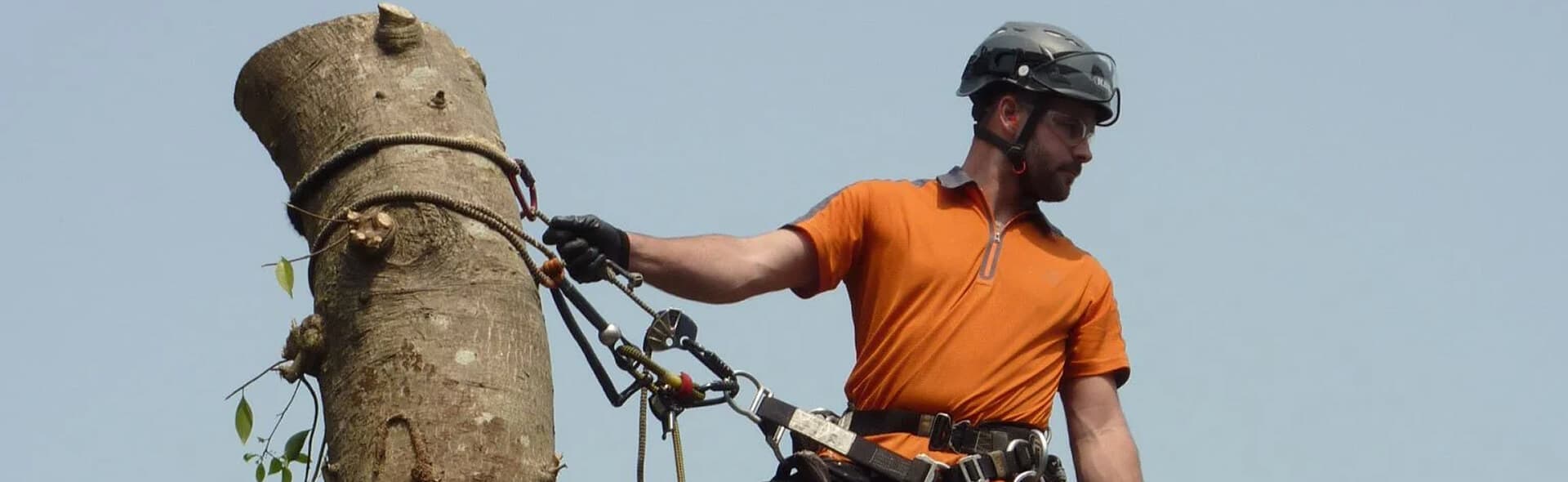
Contract Climber
A skilled climbing arborist available to perform specialized tree pruning, technical removals, rigging, and other aerial tree work using rope and climbing systems.
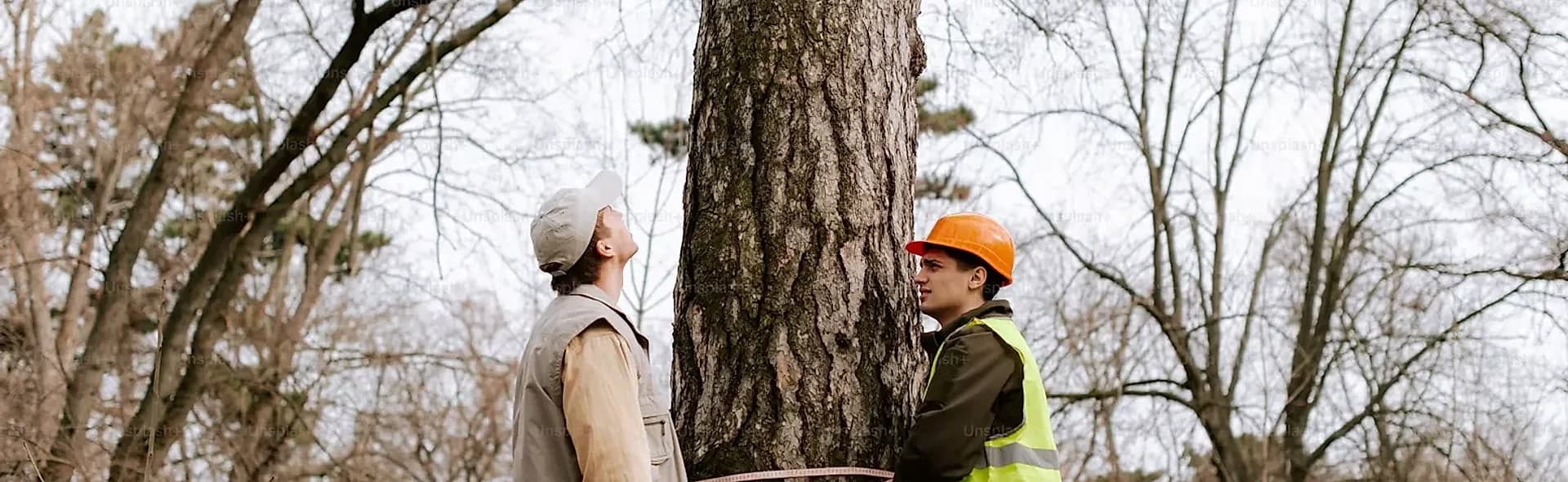
Climber with Ground Support
A contract climber accompanied by a qualified ground support person, providing a coordinated two-person team for climbing, rigging, debris handling, and cleanup.
Ground Support
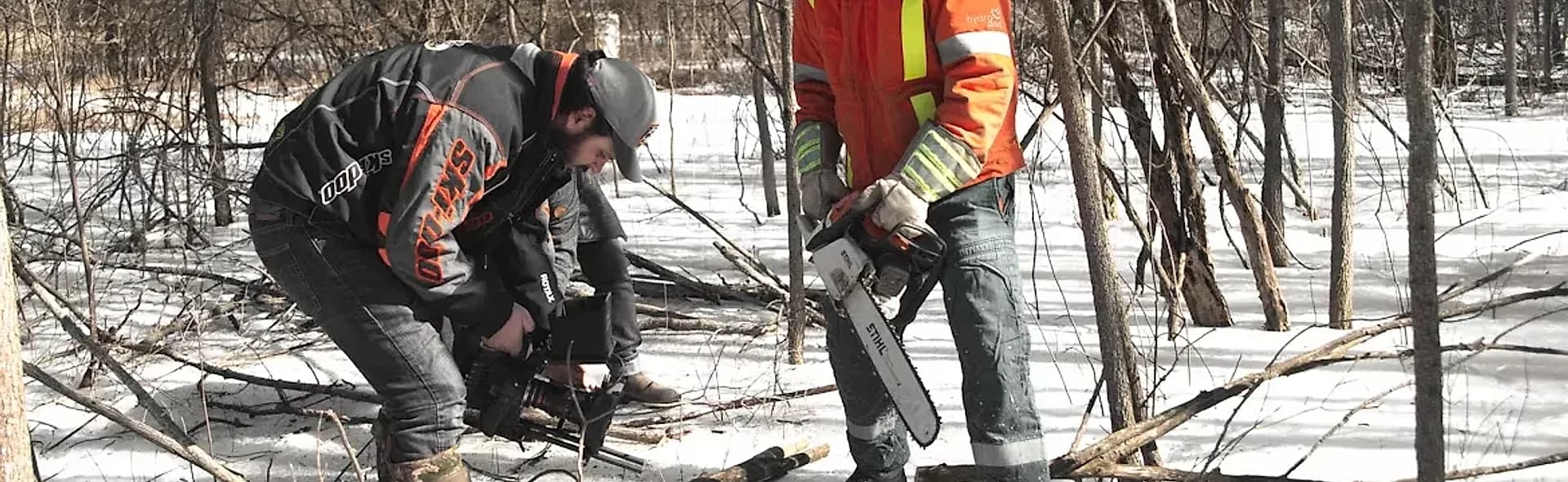
Experienced ground personnel available to assist with rigging, ropes, chainsaw work, chipping, moving tree debris, cleanup, and general support of aerial tree operations.
Tree Pruning Specialist
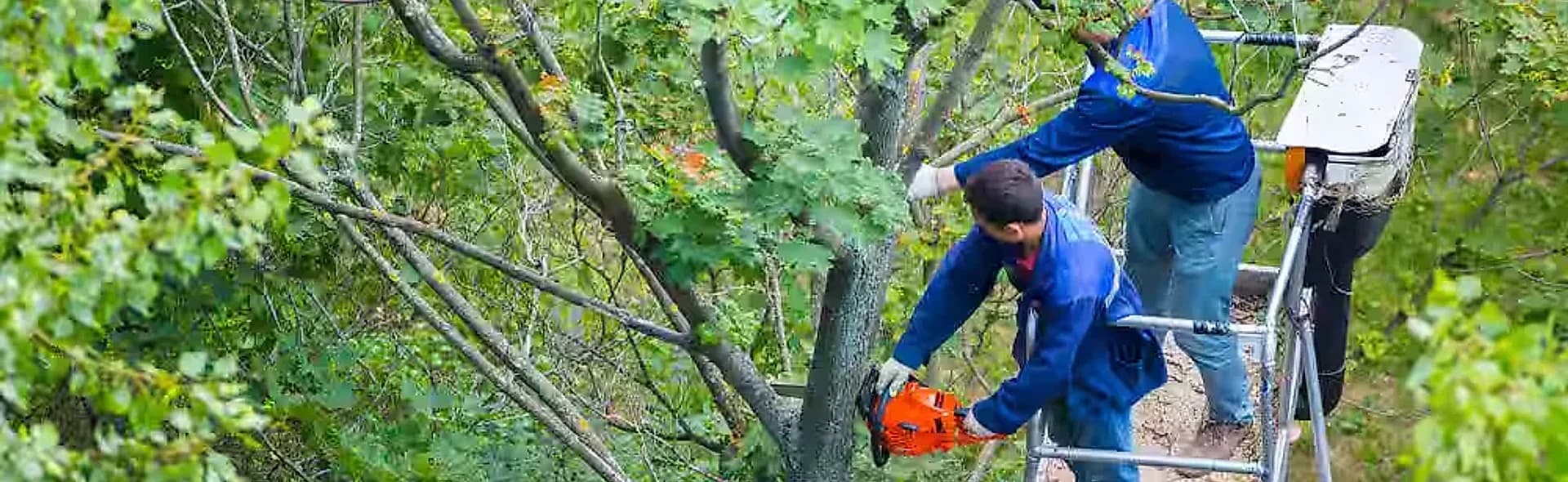
An experienced pruning arborist specializing in proper branch selection, structural pruning, crown reduction, restoration, clearance, tree preservation, and canopy management.
Find Trusted Rec Climb/Training
Near You
Questions about Rec Climb/Training?
Need help finding the right help for your project? Our team is here to assist with any questions about rec climb/training and specialized services.