

Land Clearing / Forestry Mulching
Forestry mulching clears a site by grinding standing brush and small-diameter trees where they stand, leaving the material behind as a chip layer. Nothing is piled, hauled or burned, which is why it is often faster and cheaper than conventional clearing — and why it suits sites where hauling access is poor or where the customer wants the ground covered rather than scraped.
 Land Clearing / Forestry Mulching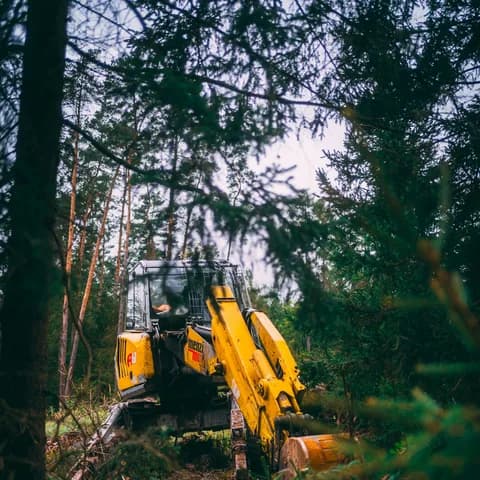
It is not the right answer everywhere. Larger stems still have to be felled and removed, wet ground limits what a tracked machine can do without leaving a mess, and a site being cleared for foundations usually needs the stumps out rather than mulched. A good operator will tell you which parts of a site suit which method, and that judgement is most of what you're hiring.
Post the job with the acreage, the terrain and the density, and mulching contractors whose radius covers the site are notified. Providers list the machines they run, so you can see whether someone brings a compact track loader with a drum head or a purpose-built forestry machine before you ever message them. Rates are agreed directly between you and the provider.
Land clearing gets hired for building lots, pasture reclamation, fence and trail lines, fire-break work, and the slow loss of a field to cedar and locust. If the goal is a site you can walk, hunt or graze, mulching usually gets you there fastest. If the goal is a site you can build on, expect to pair it with stump grinding and a loader — mulching leaves the root plate where it is.
Judge a mulching contractor on what they refuse as much as on what they quote. Stem size above the head's rating, saturated ground that will rut for a season, and slopes past the machine's limit are all real constraints, and an operator who acknowledges them is one who has broken a machine learning. Ask what diameter their head handles comfortably, not maximally, and whether they carry a saw for the stems above it.
Pricing usually runs by the hour or by the acre, with density doing most of the work in the estimate — an acre of light brush and an acre of mature understorey are different days. Expect a site visit or at minimum photographs for anything large. Terms are settled directly between you and the provider; nothing about the money passes through Treelign.
For providers, mulching is capital-heavy work that idles between contracts, and idle time is the whole margin. Being findable to the tree company two towns over who has just quoted a five-acre clear — rather than waiting for the phone — is what keeps a machine on the ground. Your profile should say which carrier and head you run, since that is the first thing anyone technical will ask.
Clearing work travels well: the machine is already on a trailer, and a week's booking justifies the haul in a way a day's work never does. Set a service radius that reflects the distance you'll actually move for a real project, and use travel dates when you'll be working a region — you'll appear in searches there for as long as you're on site.
What forestry mulching does, and what it leaves behind
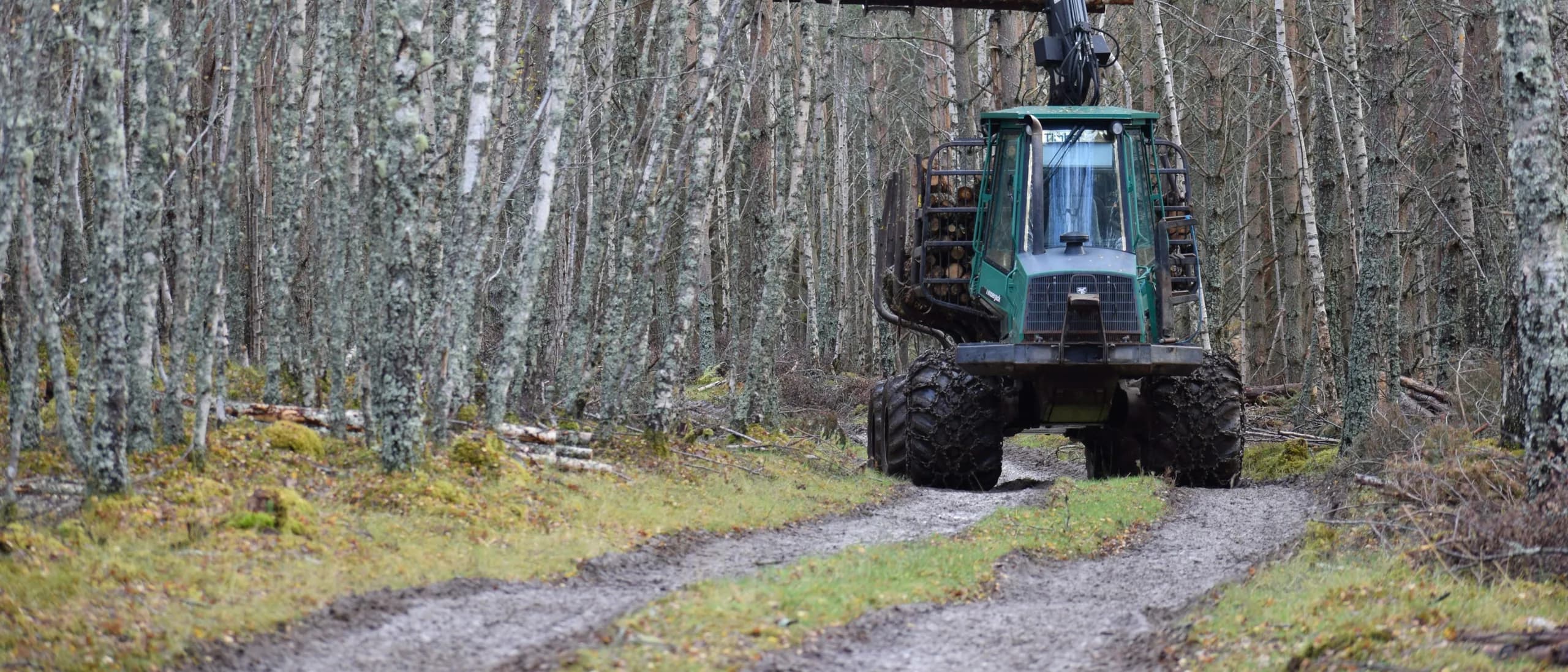
A mulching head is a drum or disc spinning at speed with fixed or swinging teeth, mounted on a tracked carrier or a compact loader. It takes standing vegetation down and reduces it to chip in a single pass, working from the top of the stem downwards, so nothing is felled across the site and nothing has to be dragged anywhere.
What it leaves is a layer of chip across the ground. That layer is the point as much as the clearing: it suppresses regrowth for a season or two, holds soil on slopes, and rots down into the site rather than being trucked to a tip. On erosion-sensitive ground it is often the reason mulching is specified over conventional clearing.
What it does not leave is bare earth. The stumps are ground flush or slightly below, but the root plates stay where they are. For pasture, trails, hunting access and fire breaks that is fine; for anything that will be graded or built on, stump grinding and excavation are separate work.
Machines, stem size and ground conditions
The single most useful question is what stem diameter the head handles comfortably — not its maximum, which is a marketing figure reached slowly and at the cost of teeth. A machine happy in 6-inch material will crawl through 10-inch and stall in 14-inch, and a site with a scattering of mature stems needs a saw plan regardless of the machine.
Carrier choice follows the ground. Tracked carriers spread weight and handle slopes and soft ground; compact loaders are cheaper to mobilise and fine on firm, level sites with tight access. Both leave marks on saturated ground, and an operator who declines to work a wet site in November is saving you a reinstatement bill.
Density is what drives the estimate, not acreage. An acre of light brush and an acre of dense understorey with mature stems are different days' work, and any provider quoting a flat per-acre rate without seeing the site is guessing. Photographs, a rough stem-size range and an honest description of the terrain get you a real number.
How land clearing is priced
Mulching is usually quoted by the hour or by the acre, with the hourly figure being the more honest of the two on variable ground. Mobilisation is charged separately for anything beyond the provider's usual radius, because a low-loader and a day's driving are real costs whether the machine works four hours or ten.
Conventional clearing — fell, pile, haul, and either burn or tip — prices differently and usually higher once disposal is counted, which is the comparison worth making. Mulching often wins on cost precisely because nothing leaves the site; where material must leave, that advantage narrows.
Rates, mobilisation and any stump work are agreed directly between you and the provider; Treelign carries none of it. Settle before the day whether stumps are included, how deep, and what happens if the machine finds ground the site walk did not.
What goes wrong on clearing jobs
The most common problem is a mismatch between what the customer pictured and what mulching produces. Someone expecting bare, gradeable ground and receiving a chip layer over intact root plates is an unhappy customer even when the work is exactly what was quoted. Say plainly what the finished site will look like.
The second is buried services and old fencing. Wire wrapped into a stem destroys teeth, and an unmarked line is worse than that. Locate services before the machine starts, and warn the operator about old fence lines — on reclaimed pasture they are almost always there.
The third is scope creep by acre. Clearing jobs grow because the boundary is a line on a map rather than a fence, and 'while you're here' costs hours that were never quoted. Mark the boundary physically before the machine arrives.
Hiring land clearing and mulching on Treelign
Post the job with acreage, terrain, density and the stem sizes you expect, and set the crew size to the number of machines the timeline needs. Providers whose service radius covers the site are alerted straight away, and their profiles list the carrier and head they run — so you can rule machines in or out before messaging anyone.
If the site also needs stumps removed or material hauled off, post those as separate services on the same job. Each fills independently, which means a mulching contractor and a stump grinder can both answer without either having to supply the other's machine.
Because clearing contracts justify travel in a way day work does not, providers who have set travel dates covering your region will appear alongside the local ones. Rates are agreed directly with whoever you hire.
Frequently Asked Questions
What is forestry mulching?

A single machine — usually a tracked carrier with a drum or disc mulching head — grinds standing vegetation into chip in place. Brush, undergrowth and small-diameter trees go down and stay down as a mulch layer that suppresses regrowth and controls erosion. It replaces the fell, pile, haul and burn sequence of conventional clearing with one pass.
How much land can a mulcher clear in a day?
It depends far more on density and stem size than on acreage. Light brush can go quickly; a heavily wooded acre with mature stems is slow work, and anything above the machine's stem-size limit has to be felled separately. Ask providers to quote against a description of the site rather than a flat rate per acre, and expect a site visit for anything large.
Does mulching remove stumps?
Not generally. A mulching head grinds what is above ground and can take the stump down flush or slightly below, but it is not a stump grinder and it doesn't remove the root plate. If the ground is being built on or graded, post stump grinding as a separate service on the same job so both get filled.
Do I hire the machine, the operator, or both?
Both. Land clearing and forestry mulching on Treelign is posted as a machine with a qualified operator, the same as the other equipment services. Providers list what they run and set their own radius, so what you're matching on is the specific machine that will turn up and the person who runs it.
What is Treelign?
Treelign is a hiring platform built specifically for the tree care industry. Tree service companies post jobs for the positions and equipment they need, and qualified tree professionals nearby are notified and can apply immediately. It connects companies with contract climbers, crane and bucket truck operators, stump grinders, trainers and other specialists — without cold calls or Facebook group posts. Browsing is public; a free account is needed to apply, message a provider, or see a job's exact address.
How is Treelign different from Facebook groups or general job boards?
General job boards and Facebook groups aren't built for tree work. Treelign is structured around the industry's actual positions and equipment, matches by service area, and notifies qualified professionals the moment a job is posted. Instead of broadcasting into a group and hoping the right climber sees it, you reach the people who do that specific work near you — and each service on a job carries its own crew size, so a job can be filled by several providers at once.
Related services
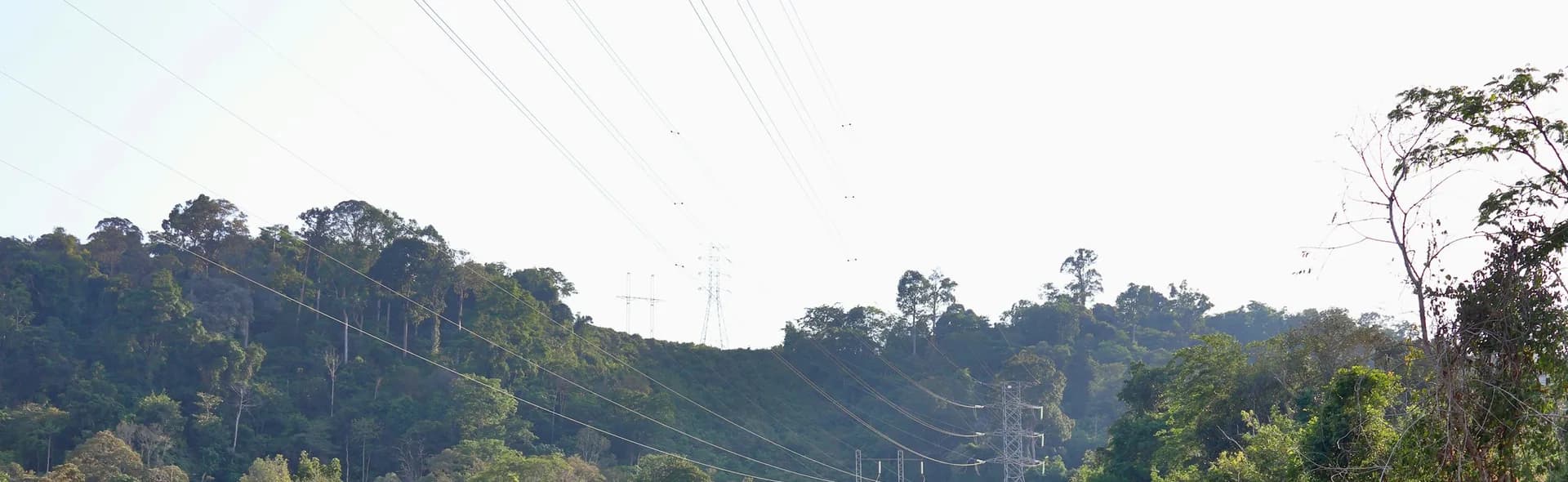
Vegetation Management / Right-of-Way
Cyclical clearing and maintenance of corridors — transmission and distribution lines, pipelines, rail, roadside and access routes — to keep them open and compliant. The work mixes mechanical mowing and mulching, hand crews with saws, and selective treatment, usually measured in miles of corridor rather than in individual trees.

Wood Processing / Log Milling
Turning removed trees into usable material rather than waste — portable sawmilling on site, slabbing, and processing logs into lumber or timber. Useful when a customer wants the tree kept, or when a removal produces logs worth more milled than chipped. This service includes the mill and a qualified operator.

Firewood Processing / Wood Splitting
Bucking, splitting and stacking cordwood, whether on a jobsite or at a yard. Ranges from a splitter and an operator for an afternoon to a processor working through a landing's worth of logs. This service includes the equipment and the labour to run it.
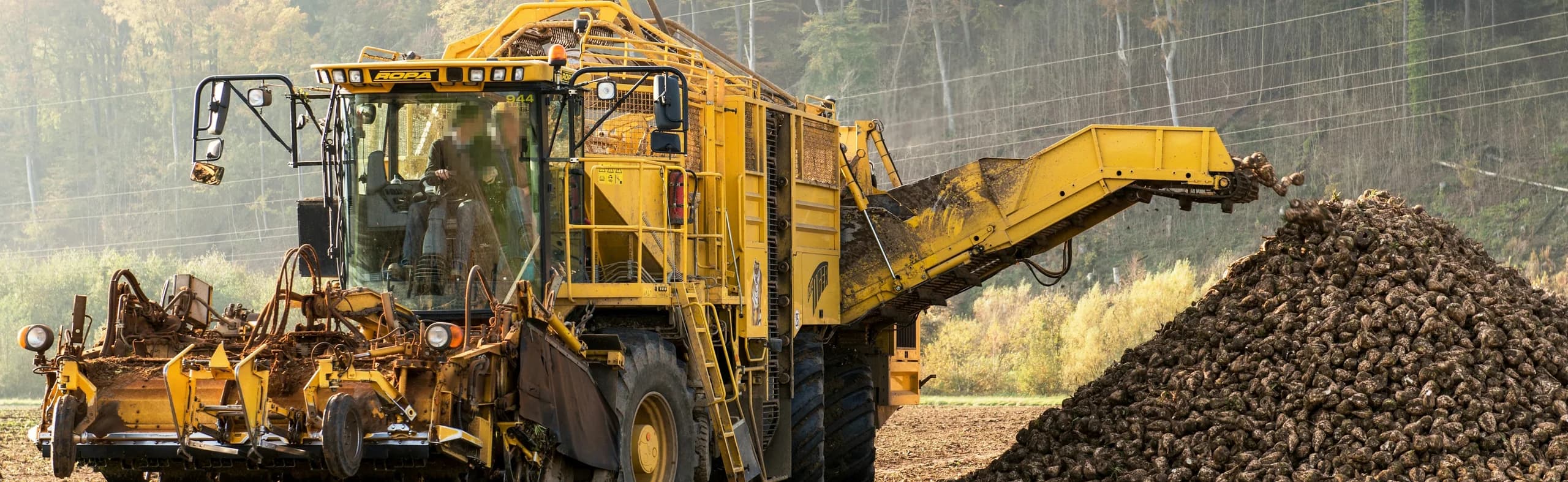
Tub Grinder with Operator
A high-capacity tub or horizontal grinder for reducing logs, stumps, brush and yard waste into mulch or biomass at volume. Used on land-clearing projects, storm cleanups and at processing yards where a chipper cannot keep up. This service includes the grinder and a qualified operator.
Find Trusted Land Clearing / Forestry Mulching
Near You
Questions about Land Clearing / Forestry Mulching?
Need help finding the right help for your project? Our team is here to assist with any questions about land clearing / forestry mulching and specialized services.