

Wood Processing / Log Milling
Most removed trees leave a site as chip and firewood. Some are worth more than that. A straight walnut, a wide oak, a tree the owner planted and doesn't want to lose entirely — those are worth milling, and a portable sawmill turns them into slabs and boards without the log ever leaving the property.
 Wood Processing / Log Milling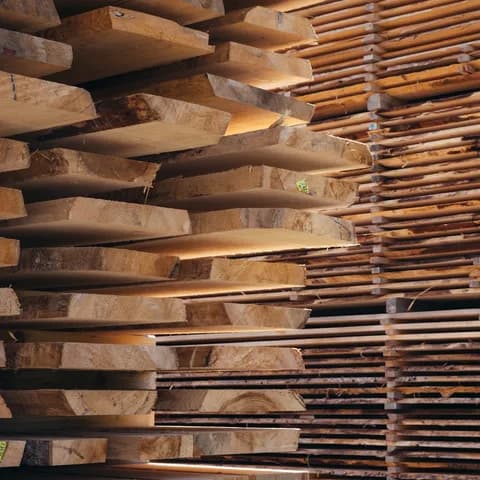
For a tree company, milling is a service to offer rather than a machine to buy. Demand is occasional and unpredictable: it arrives with the one removal in fifty where the customer asks whether anything can be saved. Subcontracting it means the answer is yes without a mill sitting idle in the yard for the other forty-nine.
Post the job with the species, rough log dimensions and site access, and milling providers whose radius covers the site are notified. Because the work is genuinely specialised, expect providers to ask about metal in the log, how it was felled, and where it can be milled from — the answers change whether the job is worth doing at all.
The moment to think about milling is before the tree comes down, not after. A trunk bucked into 16-inch rounds is firewood forever; the same trunk left in a 10-foot length is a slab table. If a customer has said anything about keeping the wood, get the milling provider's cutting instructions to the removal crew first — it is the cheapest decision on the whole job and the only irreversible one.
What you're buying from a good sawyer is yield and drying advice as much as cutting. Quarter-sawn or flat-sawn, how thick to cut for the intended use, how much to leave for shrinkage, and how the stack should be stickered all change what the wood is worth in two years. Ask what they've milled locally, whether they scan for metal, and what they do with the slabwood — a sawyer who has thought about the offcuts has thought about the whole job.
Milling is usually priced by the hour, by the board foot, or with a blade-damage clause for urban logs, and setup on a difficult site can be a meaningful share of the day. Agree the rate, who moves the logs into position, and who is responsible if a blade finds a nail — all directly with the provider, since Treelign carries none of it.
For providers, portable milling is a service most tree companies want to offer and almost none want to own. Every removal of a large, straight, valuable tree is a potential job, and those companies have no way of finding you at the moment the customer asks. A profile that names your mill, its maximum log diameter and length, and your travel radius answers the question before it's asked.
Because the log usually can't move, the mill has to. Set a service radius that reflects the distance a day's milling justifies, and use travel dates when you'll be working a region for a stretch — you'll show up in searches there for the duration, which is how a tree company in an unfamiliar area finds a sawyer at all.
What happens on a portable milling job
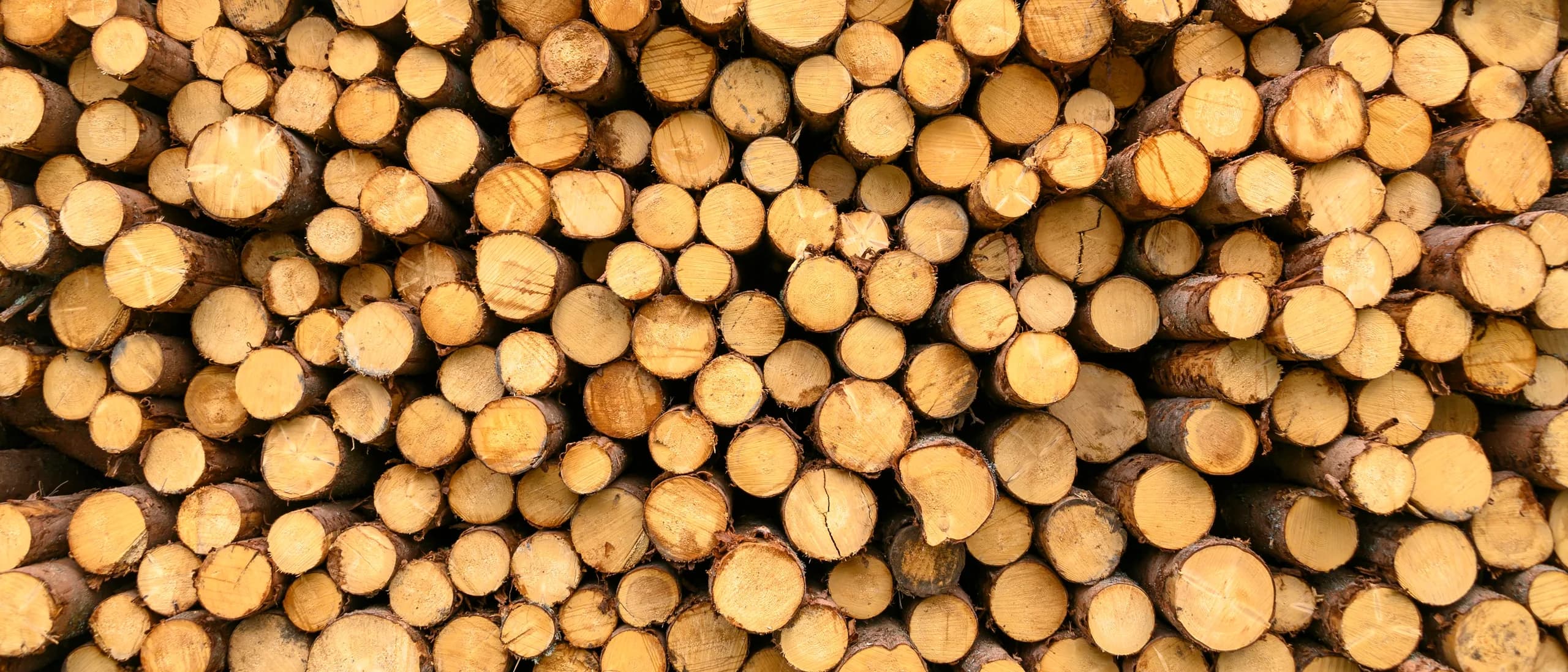
The sawyer arrives, assesses the logs, and decides how each one should be broken down — that conversation is worth having before anything is cut, because the first cut determines every board that follows. A log destined for wide slabs is opened differently from one being converted to dimensional stock.
Setup takes real time. The mill has to sit level, close to the logs, with room to move finished boards away from the cut. On a domestic site that often means the mill goes where the log already is rather than the other way round, and a machine that can be positioned by the sawyer alone is worth more than a slightly larger one that needs a loader.
Milling then runs at a steady, unglamorous pace, with the sawyer stopping to reposition, wedge and clear as they go. The finished boards need stickering — separated by small battens so air moves between them — before they leave, or they will cup and stain within a fortnight. Agree who does that and where the stack lives.
Which logs are worth milling
Four things decide it: species, diameter, straight clear length, and contamination. A 30-inch walnut with twelve clear feet is worth a day of anyone's time; a crooked, knotty yard maple with three feet between branch unions is firewood that has been overthought.
Urban trees carry metal far more often than forest timber does — nails, fence wire, tree houses, old hardware swallowed by decades of growth. A blade meeting a nail is destroyed instantly and can be dangerous. Expect a sawyer to ask, to scan the log if they can, and to price a blade-damage clause into urban work. None of that is obstruction.
Drying is the part most customers have not thought about. Air drying is roughly a year per inch of thickness, and kiln access is a separate arrangement. A sawyer who explains this before the day is preventing a disappointed phone call in six months about wood that has moved.
How milling is priced
Three common bases: by the hour, by the board foot produced, or a day rate for a site with several logs. Hourly suits difficult or contaminated urban logs; board foot suits clean timber where the yield is predictable. Setup and travel are usually charged whichever basis applies.
Blade damage is priced separately and honestly should be. A sawyer who absorbs the cost of ruined blades on urban logs is either charging everyone for it or is about to stop offering the service. Agree what happens if the log has metal in it before the mill is unloaded.
As with every service here, the number is settled directly between you and the provider. Treelign makes the introduction and holds no payments, so put the cutting pattern, the target thickness and who stacks the finished boards in writing.
What goes wrong with on-site milling
The commonest mistake happens before the sawyer is ever called: the removal crew bucks the trunk into rounds. A tree cut for handling is a tree that can no longer be milled, and it is irreversible. If milling is even a possibility, tell the climbing crew to leave the longest lengths they can safely handle.
The second is underestimating what finished lumber weighs and where it goes. A modest tree produces a stack that two people cannot move by hand and that needs a covered, ventilated spot for a year. Decide where before the first board comes off.
The third is expecting furniture-grade output from a yard tree. Stress, included bark, ring shake and staining are all common in trees that grew in the open, and some of it only appears once the log is opened. A good sawyer will warn you that the yield is uncertain.
Hiring a portable sawmill on Treelign
Post the job with the species, rough log dimensions and site access, and providers whose service radius covers you are alerted. Their profiles list the mill they run and its maximum log size, so you can tell before messaging whether your log is even a candidate.
Milling often belongs on the same job as the removal that produced the logs. Post both services with their own crew sizes and each fills independently — which also lets the sawyer tell the climbing crew how to buck the trunk, before rather than after.
Because the log usually cannot travel, the mill does. Providers who have set travel dates covering your area appear alongside local ones, and rates are agreed directly between you and whoever you hire.
Frequently Asked Questions
What does a portable sawmill service include?

The mill, the operator, and the milling itself — cutting logs into slabs, boards or dimensional timber on site. Most providers will discuss target thickness and cutting pattern with you first, since that decides yield. Moving, stacking, stickering and drying the finished material is usually separate, so agree who is doing it before the day.
Is my log worth milling?
The things that decide it are species, diameter, straight clear length, and whether there is metal in it. A short, crooked, knotty log from a yard tree may not repay the setup time; a long clear trunk of a valuable species usually does. Send photos and rough measurements when you message a provider — most can tell you quickly.
Why does metal in the log matter so much?
Nails, fencing wire and old hardware destroy sawmill blades and can be dangerous. Yard and street trees are far more likely to contain metal than forest-grown timber. Providers will usually ask, may scan the log, and may decline or price differently — none of that is obstruction, it's the cost of a ruined blade being real.
Can milling be posted alongside the removal itself?
Yes, and it often should be. One job can carry several services with their own crew sizes, so the climber, the crane and the mill can all be hired against the same posting. It also lets the milling provider tell the removal crew how to buck the trunk, which is the difference between a millable log and firewood.
What is Treelign?
Treelign is a hiring platform built specifically for the tree care industry. Tree service companies post jobs for the positions and equipment they need, and qualified tree professionals nearby are notified and can apply immediately. It connects companies with contract climbers, crane and bucket truck operators, stump grinders, trainers and other specialists — without cold calls or Facebook group posts. Browsing is public; a free account is needed to apply, message a provider, or see a job's exact address.
How is Treelign different from Facebook groups or general job boards?
General job boards and Facebook groups aren't built for tree work. Treelign is structured around the industry's actual positions and equipment, matches by service area, and notifies qualified professionals the moment a job is posted. Instead of broadcasting into a group and hoping the right climber sees it, you reach the people who do that specific work near you — and each service on a job carries its own crew size, so a job can be filled by several providers at once.
Related services

Land Clearing / Forestry Mulching
Clearing standing brush, undergrowth and small-diameter trees from a site, either by grinding it in place with a forestry mulcher or by felling and removing it. Mulching leaves the material on the ground as a chip layer instead of hauling it off, which is often faster and cheaper than clearing and burning. This service includes the machine and a qualified operator.
Vegetation Management / Right-of-Way
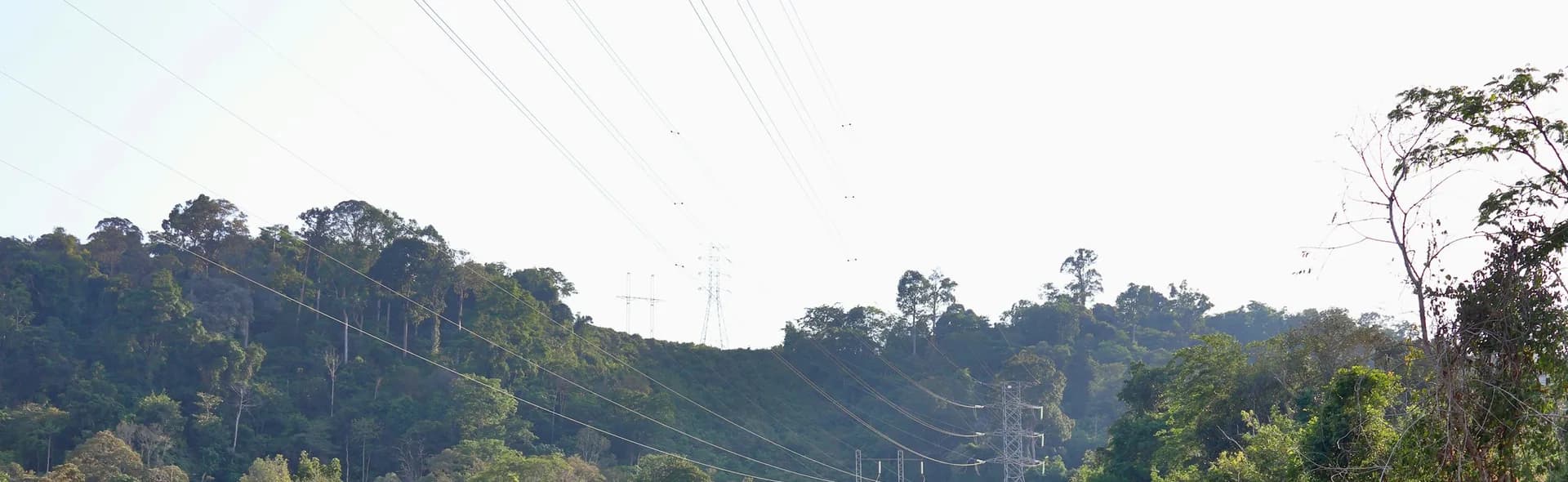
Cyclical clearing and maintenance of corridors — transmission and distribution lines, pipelines, rail, roadside and access routes — to keep them open and compliant. The work mixes mechanical mowing and mulching, hand crews with saws, and selective treatment, usually measured in miles of corridor rather than in individual trees.
Firewood Processing / Wood Splitting
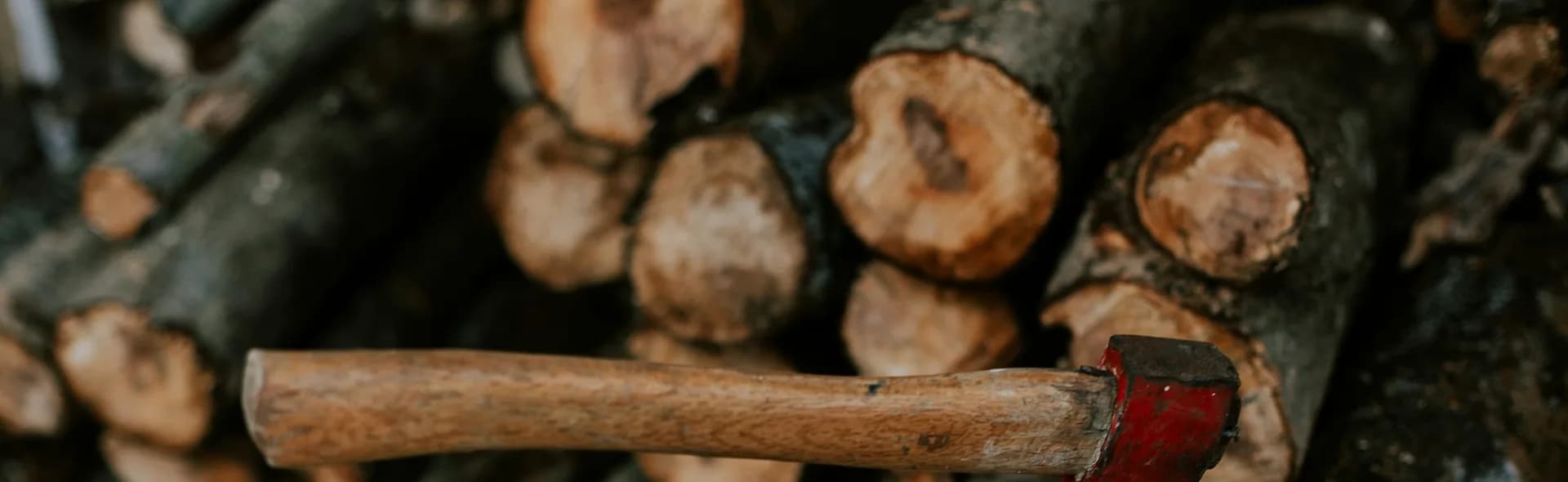
Bucking, splitting and stacking cordwood, whether on a jobsite or at a yard. Ranges from a splitter and an operator for an afternoon to a processor working through a landing's worth of logs. This service includes the equipment and the labour to run it.
Tub Grinder with Operator
A high-capacity tub or horizontal grinder for reducing logs, stumps, brush and yard waste into mulch or biomass at volume. Used on land-clearing projects, storm cleanups and at processing yards where a chipper cannot keep up. This service includes the grinder and a qualified operator.
Find Trusted Wood Processing / Log Milling
Near You
Questions about Wood Processing / Log Milling?
Need help finding the right help for your project? Our team is here to assist with any questions about wood processing / log milling and specialized services.