

Firewood Processing / Wood Splitting
Every removal produces wood, and wood that isn't processed is a pile in a yard costing money to store. Firewood processing turns it into a product: bucked to length, split, stacked and ready to season or sell. The work ranges from a splitter and a pair of hands for an afternoon to a processor working steadily through a landing's worth of logs.
 Firewood Processing / Wood Splitting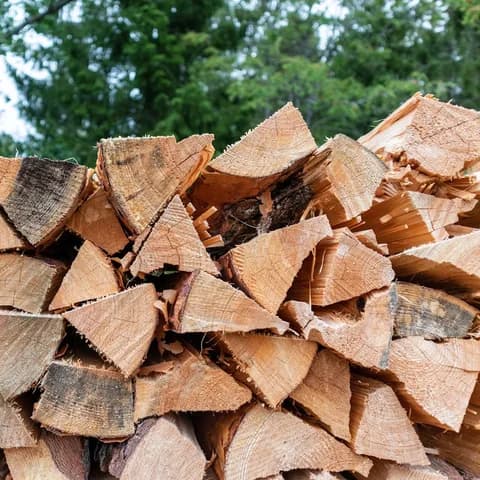
It is the kind of work that suits subcontracting well. The volume arrives unevenly — a big storm week, a long clearing job — and the equipment is expensive to own for a yard that only fills up sometimes. Hiring the processing when there's a pile to clear costs less than owning the machine that clears it.
Post the job with the rough volume, the log sizes and where the wood sits, and providers whose service radius covers you are notified. Some bring a processor, some bring a splitter and the labour to feed it, and some will take the wood away instead — the profiles say which, so you can match before you message.
The trigger is usually a yard that has stopped being a yard. Storm weeks, a run of large removals, or a winter of stacked rounds all end the same way: material occupying space you need, decaying into something worth less every month. Processing turns that pile into a product with a price; leaving it turns it into a disposal cost.
When choosing a provider, the questions that matter are throughput and finish. A processor and a splitter are different machines with different day rates, and a crew that stacks is a different quote from one that leaves it heaped. Agree the cut length and split size up front — those two numbers set the pace more than the equipment does, and 16-inch splits and 24-inch splits are not the same day's work.
Firewood processing is priced by the cord, by the hour, or by the day, and the wood itself has value that sometimes changes the arrangement entirely — some providers will take good hardwood in part-exchange. Whatever you settle, you settle it with them directly; Treelign runs no payments and takes no percentage.
For providers, this is work that fits the gaps. It's ground-level, it doesn't need a climbing crew, and it clusters after storms when everyone has more wood than time. Say on your profile whether you bring a processor or a splitter, whether you stack, and whether you'll haul — those three answers decide most matches before anyone messages.
Wood is heavy and rarely worth moving far, so this is mostly local work — set a service radius that reflects what the fuel actually justifies. The exception is the aftermath of a major storm, when volume in one area outruns everyone in it; travel dates put you in searches there for as long as you're working the region.
What firewood processing involves
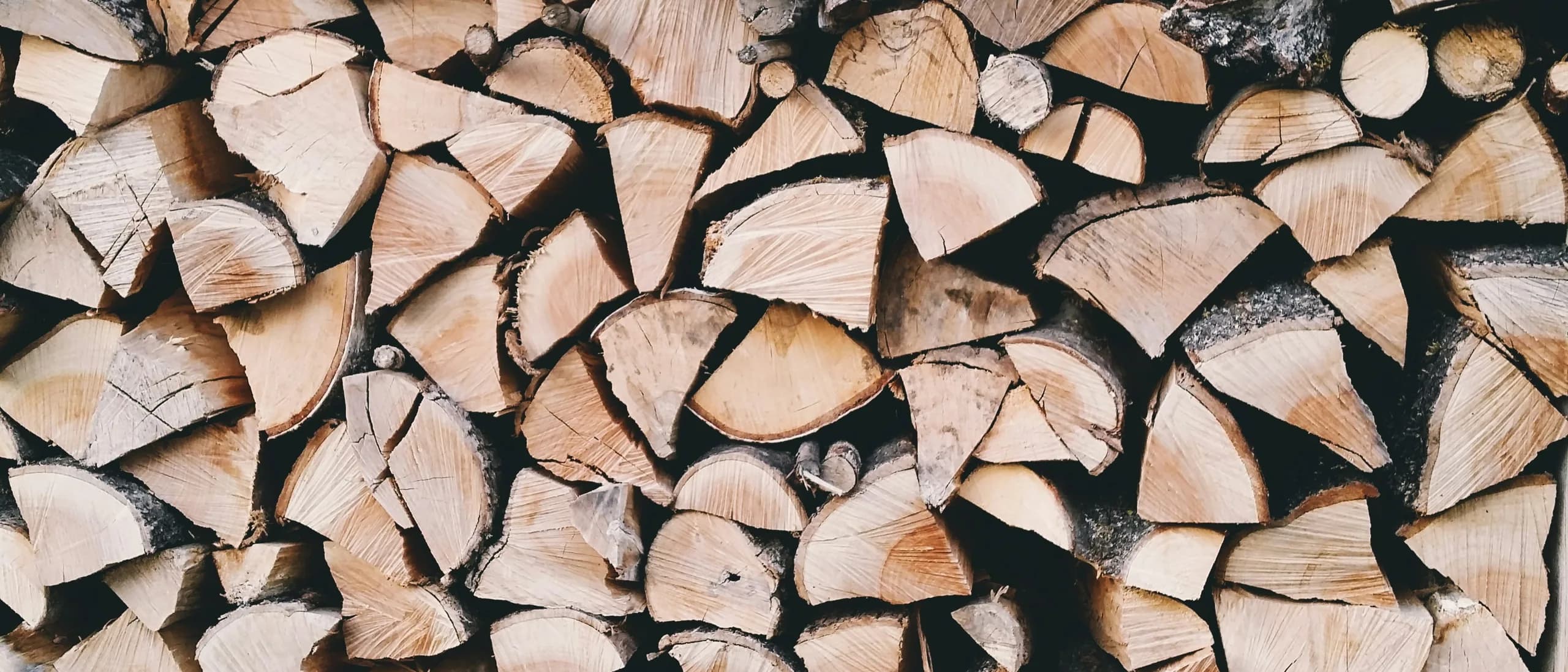
The sequence is always the same three steps — buck, split, stack — but the equipment that performs them changes the day completely. A processor takes a log at one end and delivers split firewood at the other in one continuous operation. A splitter needs someone bucking ahead of it and someone stacking behind, so the machine is only as fast as the two people feeding it.
Cut length and split size are decided before anything starts and govern the pace throughout. Sixteen inches is the common domestic length; longer suits outdoor boilers, shorter suits small stoves. Split size is a matter of what the customer burns and how long it needs to season — smaller splits dry faster and take longer to produce.
Stacking is the step most often left out of a quote and most often assumed by the customer. A processor can produce faster than one person can stack, so if the finished wood is going into neat rows rather than a heap, that is a labour line of its own.
Species, seasoning and what the wood is worth
Not all of a removal is firewood. Dense hardwoods — oak, hickory, ash, maple, beech — are worth processing and worth money. Softwoods and poplar burn fast and dirty and are frequently not worth the handling, and some species are genuinely unpleasant to burn indoors.
Seasoning is what turns cut wood into fuel, and it takes time nobody can shorten: six months for softer species, a year or more for oak, and only if the stack is off the ground, covered on top and open at the sides. Wood processed today is next winter's fuel, not this one's.
That timeline is why processing is worth doing promptly. Rounds left in a heap through a wet season lose value to rot and insects, and the pile that was an asset in October is a disposal cost by spring.
How firewood processing is priced
Common bases are per cord produced, by the hour, or a day rate for the machine and operator. Per cord suits clean, uniform material; hourly is fairer to both sides when the rounds are oversized, knotty or full of crotch wood that has to be wrestled.
The wood itself has value, which sometimes changes the arrangement entirely — some providers will take good hardwood in part-exchange for the processing, or buy the pile outright. That is a different deal from paying for a service, and worth asking about if clearing the yard matters more to you than the fuel does.
Whatever the shape, it is agreed directly between you and the provider. Treelign runs no payments and takes no percentage, so agree cut length, split size, whether stacking is included and who supplies fuel before the machine is unloaded.
What goes wrong with firewood work
Volume is almost always underestimated. A pile of rounds looks like far less than it produces, and estimates given over the phone are routinely half the real figure. Photographs with something for scale — a person, a truck — are worth more than any verbal description.
Oversized rounds are the second problem. A splitter rated for 20-inch rounds meets a 30-inch butt section and the day stops while someone noodles it down with a saw. Say what the largest diameter is when you post, and expect a saw to be part of the plan.
The third is where the finished wood goes. Firewood is heavy, and a stack built in the wrong place has to be moved by hand. Decide the location before the first split, and make sure a truck can reach it if the wood is being sold on.
Hiring firewood processing on Treelign
Post the job with the rough volume, the species, the largest round diameter and where the wood sits. Providers within range are alerted, and their profiles say whether they bring a processor, a splitter, or a crew — which is most of the match made before anyone messages.
If the wood needs to leave rather than be processed, post wood and debris hauling as a service on the same job. Each service carries its own crew size and fills independently, so you can process what is worth processing and haul the rest without waiting on one provider who does both.
Rates and any part-exchange for the wood are settled directly with the provider. Browsing is public; a free account is needed to apply or message.
Frequently Asked Questions
What does a firewood processing job usually involve?

Bucking logs to length, splitting them to size, and stacking or loading the result. Some providers bring a firewood processor that does all three in one pass; others bring a splitter plus the crew to feed and stack it. Agree the split size and the finished length up front — they decide how long the work takes.
Can a provider take the wood away instead of processing it?
Some will, especially if it's good species in usable lengths — the wood itself has value. That's a different arrangement from paying for processing, and it's agreed directly between you and them. If you want it gone rather than processed, consider posting wood and debris hauling as well, so both kinds of provider see the job.
How is volume usually described?
In cords, or in truckloads if it hasn't been measured. Photographs of the pile with something for scale are worth more than an estimate, since piles of round wood are notoriously hard to eyeball. Say what species and roughly what diameter too — hardwood rounds of 24 inches are a different day's work from softwood at 10.
Is this the same as wood and debris hauling?
No. Hauling moves material off site; processing turns it into firewood. They often go on the same job — process what's worth processing, haul the rest — and posting both as separate services with their own crew sizes lets each be filled by whoever actually does it.
What is Treelign?
Treelign is a hiring platform built specifically for the tree care industry. Tree service companies post jobs for the positions and equipment they need, and qualified tree professionals nearby are notified and can apply immediately. It connects companies with contract climbers, crane and bucket truck operators, stump grinders, trainers and other specialists — without cold calls or Facebook group posts. Browsing is public; a free account is needed to apply, message a provider, or see a job's exact address.
How is Treelign different from Facebook groups or general job boards?
General job boards and Facebook groups aren't built for tree work. Treelign is structured around the industry's actual positions and equipment, matches by service area, and notifies qualified professionals the moment a job is posted. Instead of broadcasting into a group and hoping the right climber sees it, you reach the people who do that specific work near you — and each service on a job carries its own crew size, so a job can be filled by several providers at once.
Related services

Land Clearing / Forestry Mulching
Clearing standing brush, undergrowth and small-diameter trees from a site, either by grinding it in place with a forestry mulcher or by felling and removing it. Mulching leaves the material on the ground as a chip layer instead of hauling it off, which is often faster and cheaper than clearing and burning. This service includes the machine and a qualified operator.

Vegetation Management / Right-of-Way
Cyclical clearing and maintenance of corridors — transmission and distribution lines, pipelines, rail, roadside and access routes — to keep them open and compliant. The work mixes mechanical mowing and mulching, hand crews with saws, and selective treatment, usually measured in miles of corridor rather than in individual trees.
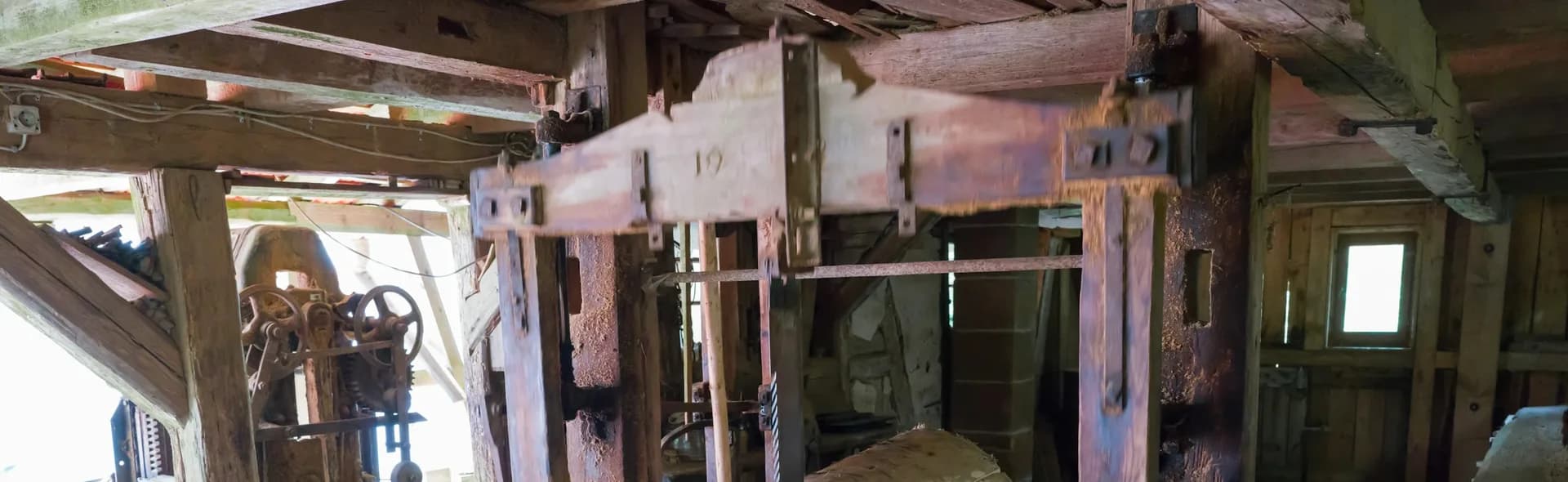
Wood Processing / Log Milling
Turning removed trees into usable material rather than waste — portable sawmilling on site, slabbing, and processing logs into lumber or timber. Useful when a customer wants the tree kept, or when a removal produces logs worth more milled than chipped. This service includes the mill and a qualified operator.
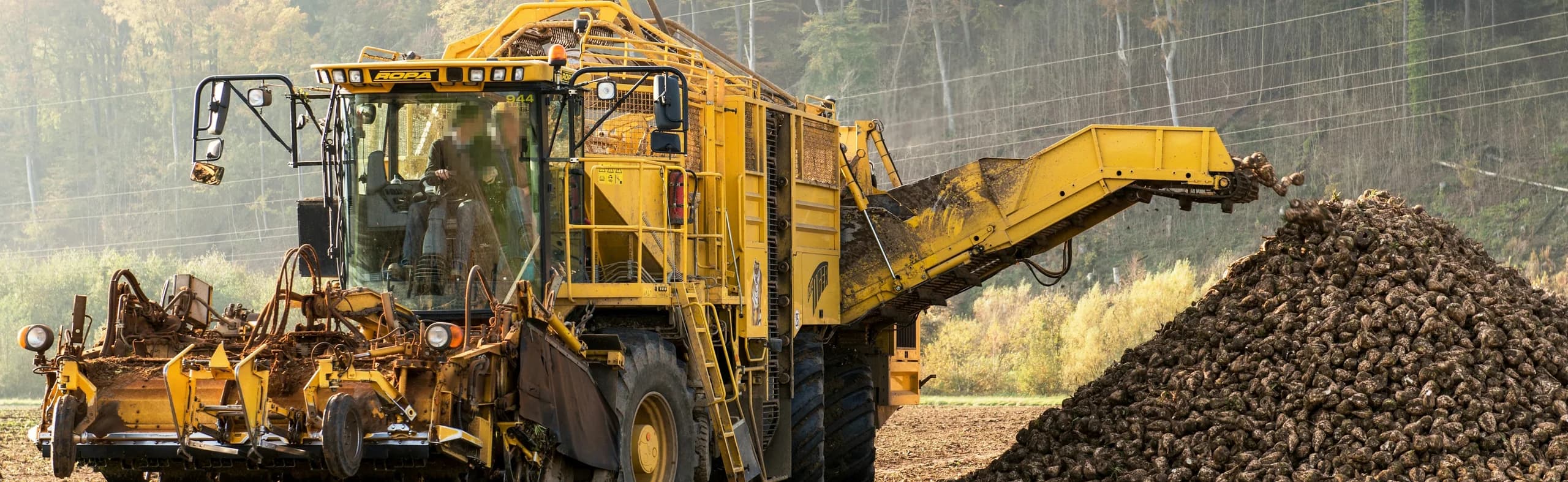
Tub Grinder with Operator
A high-capacity tub or horizontal grinder for reducing logs, stumps, brush and yard waste into mulch or biomass at volume. Used on land-clearing projects, storm cleanups and at processing yards where a chipper cannot keep up. This service includes the grinder and a qualified operator.
Find Trusted Firewood Processing / Wood Splitting
Near You
Questions about Firewood Processing / Wood Splitting?
Need help finding the right help for your project? Our team is here to assist with any questions about firewood processing / wood splitting and specialized services.