

Utility / Line-Clearance Arborist
Line-clearance work is its own trade. Pruning a maple in a back garden and pruning the same maple where it grows into a 13kV primary are different jobs governed by different rules: minimum approach distances, clearance specifications set by the utility, and qualifications that have to be current before anyone leaves the ground. Utility and line-clearance arborists are the people trained and authorised to do the second kind.
 Utility / Line-Clearance Arborist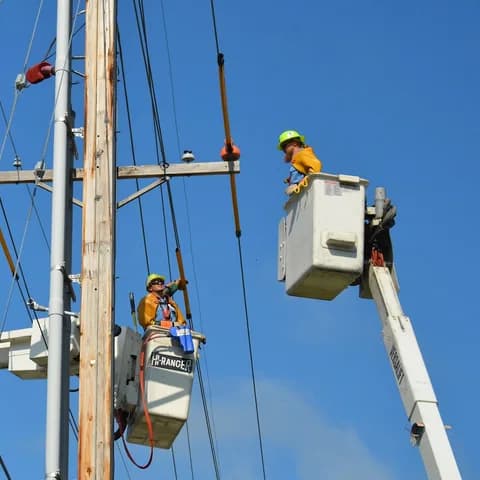
Most of this work runs on cycle. A utility divides its territory into circuits and clears each on a schedule, which means the demand is steady but lumpy — a contractor picks up a circuit and suddenly needs qualified climbers, bucket operators and ground crew for weeks, in an area where they may have no bench. That is the gap Treelign exists to close.
Post the job with the qualifications and crew size the circuit needs, and line-qualified professionals whose service radius covers the work are notified and can apply. You review who applies, check their credentials, message them directly and build the crew. Rates and terms are agreed between you and the provider — Treelign carries no payments and takes no cut of the work.
You need line-clearance arborists when the work sits inside the minimum approach distance of an energised conductor, and no earlier. A tree fifty feet from a pole is ordinary tree work. The same tree growing into a primary is a different job with different rules, and the moment a contract references a utility's clearance specification you are hiring for the qualification rather than for the climbing.
What separates a good line-clearance arborist from a competent climber is judgement about the conductor, not about the tree. Knowing which spans are energised and which are secondary, recognising a compromised crossarm, understanding what happens when a limb bridges a phase — none of that is visible in a portfolio of removals. Ask about the utilities they've worked under, the qualification they hold and when it was last renewed, and whether they've worked the specific voltage class your circuit runs.
Rates on utility work are usually structured by the day or by the circuit rather than by the tree, because the unit of work is a span of line rather than a customer's garden. Storm and emergency restoration prices differently again. Pricing is settled directly between you and the provider — Treelign never sits in the middle of it — so agree the shift length, the travel arrangement and who supplies the bucket before anyone leaves.
For providers, this is some of the steadiest work in tree care and some of the hardest to find cold. Utility contractors rarely advertise; they call people they already know. A Treelign profile that lists your line-clearance qualification, the voltage classes you're comfortable at, and the equipment you bring is what puts you in front of a contractor who has just picked up a circuit two counties away and has nobody local.
Coverage is the whole problem in this trade. Circuits run through places nobody lives, and a contractor's home crew is rarely near the next section. Providers set their own service radius on Treelign, and can add travel dates for a stretch of work away from home — during those dates they appear in searches at that destination, for exactly the services they've brought with them. If you're heading toward a project, adding the dates is how the work in that area finds you.
What a line-clearance day actually looks like
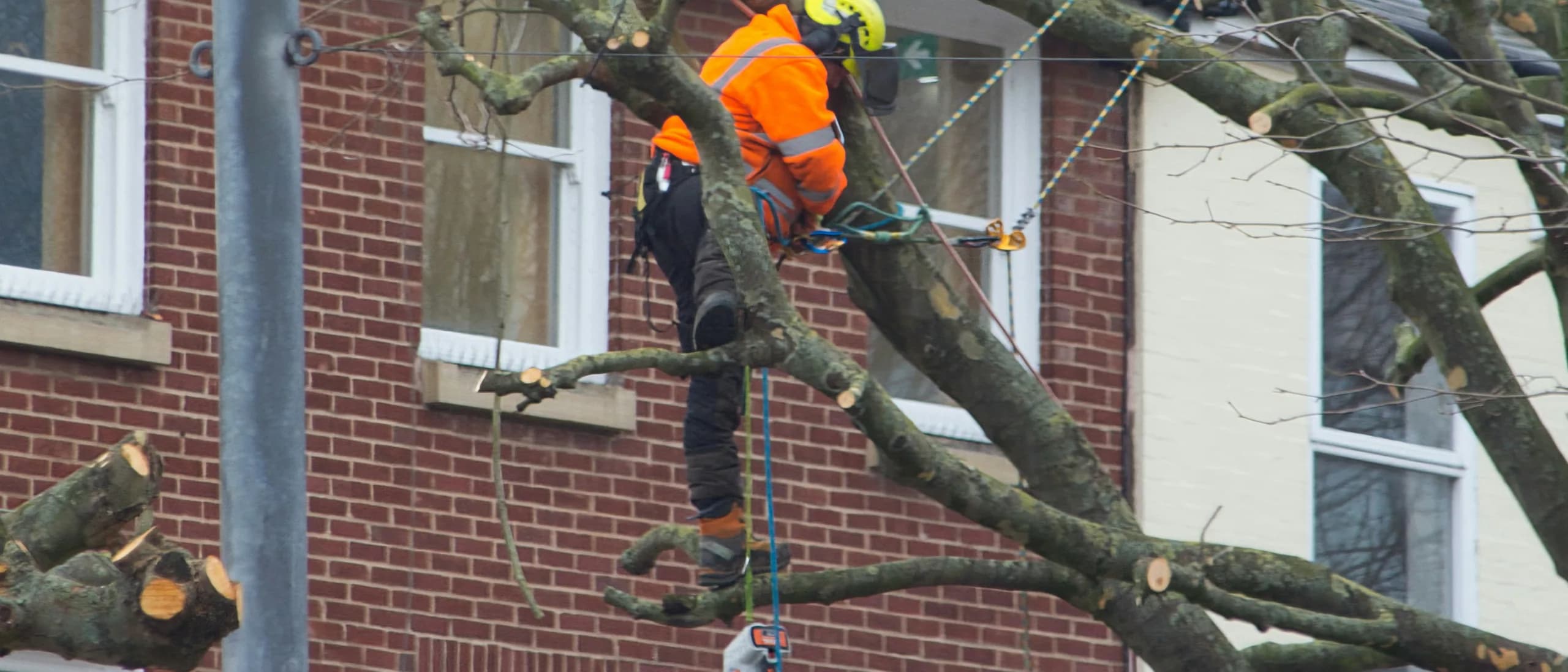
A utility crew starts with the circuit map and the day's work plan, not with a tree. The foreman walks the span, identifies which conductors are energised and at what voltage, notes the clearance the specification requires, and decides whether each tree is a prune, a removal, or a referral back to the utility because it needs an outage. That assessment is most of the skill, and it happens before a saw comes off the truck.
The cutting itself is usually done from a bucket rather than on rope, because a lift is faster over a long day of repetitive work and keeps the operator in a known position relative to the conductor. Rope access still has its place on trees a bucket cannot reach, and any crew working a rural circuit will do both in the same week.
Documentation closes the day. Utilities audit their contractors, and the record of what was cleared and to what specification is what proves the cycle was completed. Crews that treat paperwork as an afterthought lose contracts over it more often than they lose them over cutting.
Qualifications, approach distances and who may work where
Line-clearance qualification is not the same as an ISA Certified Arborist credential, and one does not substitute for the other. It covers the minimum approach distances that apply at each voltage class, the hazards specific to working near energised equipment, and the procedures for coordinating with the utility. Utilities generally require it before anyone works inside those distances, and contractors are audited on it.
The approach distance is the number that governs everything. It varies by voltage, and it applies to the whole person and everything they are holding — a pole saw does not get its own allowance. A qualified line-clearance arborist knows the distances for the circuits they work without looking them up, which is why the qualification is renewed rather than earned once.
Not every role on a utility crew needs the qualification. Ground work, chipping, traffic control and hauling sit outside the approach distance, but they sit inside a qualified crew and under its foreman. If you are hiring for those roles, say so in the posting — you will get more applicants and none of them will be wasting your time.
How utility work is priced
Utility contracts are usually structured by the unit the utility measures: by the span, by the circuit mile, by the tree under some specifications, or by the crew day for storm and emergency work. That is upstream of you, but it shapes what a subcontractor expects — a crew used to production work prices differently from one used to residential removals.
Day rates for a qualified climber or bucket operator carry a premium over general tree work, and reasonably so: the qualification takes time to earn and maintain, and the work is unforgiving of error. Expect that premium to be larger during storm restoration, when demand across a region spikes at once.
Whatever the basis, it is agreed directly between you and the provider. Treelign carries no payments, holds no escrow and takes no percentage — so settle shift length, travel and per-diem, who supplies the bucket, and how overtime is treated before the first day rather than during the second.
What goes wrong on utility jobs
The most common failure is a qualification assumed rather than checked. A climber with twenty years of residential experience is not automatically permitted to work a primary, and discovering that on site costs a day and sometimes a contract. Ask for the credential and its date before anyone is booked.
The second is a mismatch of expectations about production. Utility work is measured in spans cleared per day, not in trees finished beautifully, and a crew that prunes to residential standards will fall behind the schedule the prime contractor is being held to. Say what the target is when you post.
The third is coordination with the utility itself. Work that needs an outage, a switching order, or a standby troubleman cannot be scheduled by the tree crew alone, and a subcontractor who arrives expecting to start immediately will spend the morning waiting. Make clear in the posting whether that coordination is already in place.
Hiring line-clearance arborists on Treelign
Post the job with utility / line-clearance arborist as a service and set the crew size to the number of qualified people you need. Every service on a job carries its own crew size, so you can post a climber, two ground crew and a bucket operator on one job and have each fill independently rather than waiting for a single provider who can supply everything.
Providers within range are alerted as soon as the job is posted, so applications usually start arriving in minutes rather than after an afternoon of calls. You review who applied, read their profiles and reviews, and message them directly through the platform before committing to anything.
Browsing is public, so a provider can read the job before deciding to sign up. A free account is needed to apply, to message, or to see the job's exact address — the listing shows city and state until someone is hired, which is deliberate: a work site is somebody's property.
Frequently Asked Questions
What is a line-clearance arborist?

An arborist trained and qualified to work on trees near energised electrical conductors. The qualification covers the approach distances that apply at each voltage, how to recognise and work around hazards specific to utility work, and the clearance specifications the utility requires. It is a distinct qualification from ISA Certified Arborist, and utilities generally require it before anyone works inside the minimum approach distance.
How is utility work different from residential tree care?
The tree is rarely the customer's priority — the circuit is. Work is specified by the utility, measured against clearance standards rather than aesthetics, often runs on a multi-year cycle, and is documented for audit. Crews cover far more ground in a day, work from bucket trucks more often than from ropes, and coordinate with the utility over outages and switching.
Do I need to be line-qualified to apply for this work?
Almost always, yes, and the company posting the job will say so. Some roles on a utility crew — ground work, chipping, traffic control — may not require the qualification themselves, but they still sit inside a qualified crew. List your qualifications on your Treelign profile so companies can see them before they message you.
Can I hire a whole line-clearance crew rather than one person?
Yes. Set the crew size for each service the job needs and Treelign fills them independently — a climber, two ground crew and a bucket operator, for example. One provider can cover several slots if they bring the people, or several providers can fill the crew between them. Each service closes when its slots are full while the rest of the job stays open.
What is Treelign?
Treelign is a hiring platform built specifically for the tree care industry. Tree service companies post jobs for the positions and equipment they need, and qualified tree professionals nearby are notified and can apply immediately. It connects companies with contract climbers, crane and bucket truck operators, stump grinders, trainers and other specialists — without cold calls or Facebook group posts. Browsing is public; a free account is needed to apply, message a provider, or see a job's exact address.
How is Treelign different from Facebook groups or general job boards?
General job boards and Facebook groups aren't built for tree work. Treelign is structured around the industry's actual positions and equipment, matches by service area, and notifies qualified professionals the moment a job is posted. Instead of broadcasting into a group and hoping the right climber sees it, you reach the people who do that specific work near you — and each service on a job carries its own crew size, so a job can be filled by several providers at once.
Related services

Land Clearing / Forestry Mulching
Clearing standing brush, undergrowth and small-diameter trees from a site, either by grinding it in place with a forestry mulcher or by felling and removing it. Mulching leaves the material on the ground as a chip layer instead of hauling it off, which is often faster and cheaper than clearing and burning. This service includes the machine and a qualified operator.
Vegetation Management / Right-of-Way
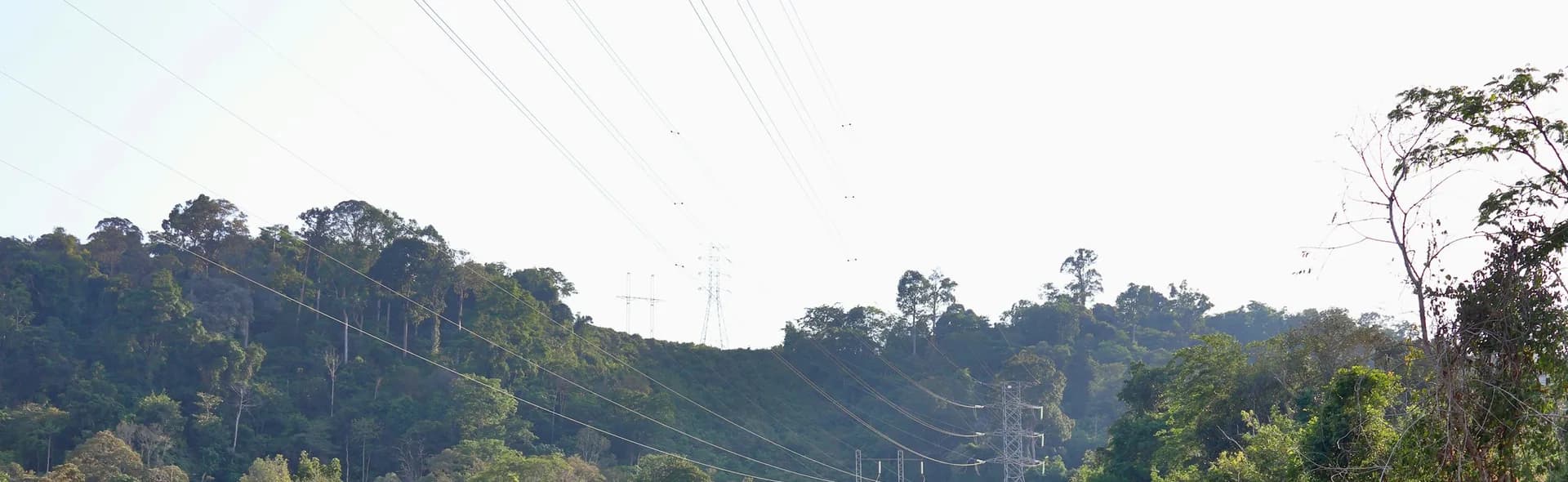
Cyclical clearing and maintenance of corridors — transmission and distribution lines, pipelines, rail, roadside and access routes — to keep them open and compliant. The work mixes mechanical mowing and mulching, hand crews with saws, and selective treatment, usually measured in miles of corridor rather than in individual trees.
Wood Processing / Log Milling
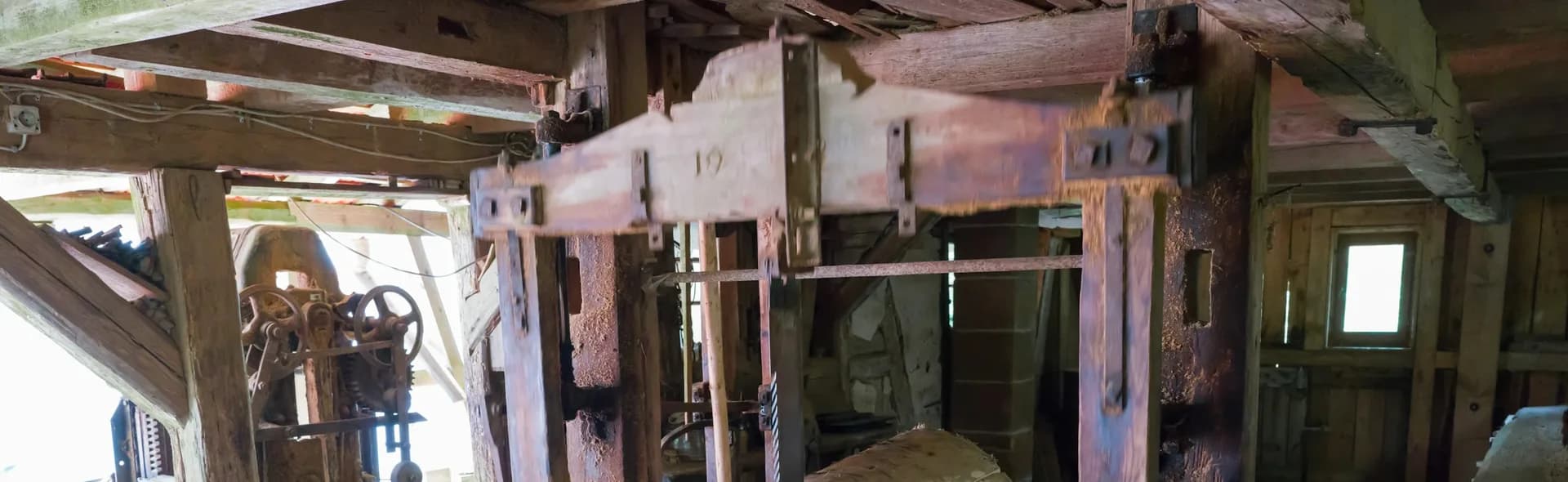
Turning removed trees into usable material rather than waste — portable sawmilling on site, slabbing, and processing logs into lumber or timber. Useful when a customer wants the tree kept, or when a removal produces logs worth more milled than chipped. This service includes the mill and a qualified operator.
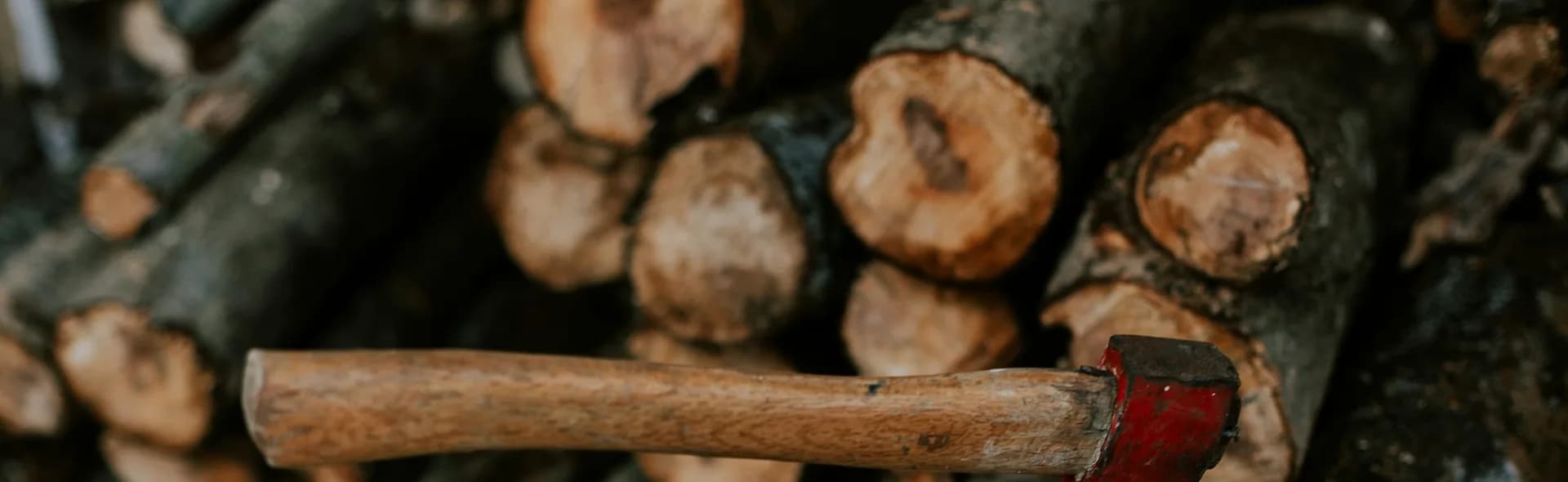
Firewood Processing / Wood Splitting
Bucking, splitting and stacking cordwood, whether on a jobsite or at a yard. Ranges from a splitter and an operator for an afternoon to a processor working through a landing's worth of logs. This service includes the equipment and the labour to run it.
Find Trusted Utility / Line-Clearance Arborist
Near You
Questions about Utility / Line-Clearance Arborist?
Need help finding the right help for your project? Our team is here to assist with any questions about utility / line-clearance arborist and specialized services.